Archive · over 130 options
Pump bottles for cosmetics
A pump bottle doses by pressure, using a pump that draws product up through an internal dip tube. It suits cream, lotion, liquid soap and body moisturiser, delivering a consistent dose per stroke. The archive holds over 130 options, from 10 to 500 ml.
Output per stroke is the number that defines a pump, ranging from fractions of a millilitre in treatment pumps to a few millilitres in lotion and soap pumps. Thick formulas need higher output and a matching tube diameter, otherwise the pump jams. Also worth considering is the shipping lock, which prevents accidental actuation in transit and is close to mandatory for e-commerce.
Quick facts
- Options in the archive
- Over 130
- Volume range
- 10 to 500 ml
- Most frequent materials
- Glass · PET / PETG · Acrylic / AS / ABS · Polypropylene (PP)
- Most common neck finishes
- R24 · R18 · 28/410
How to choose
Start with the dose the product has to deliver: serum and treatment use a small dose, body lotion and soap a larger one. Confirm the formula's viscosity is within what the pump can draw, because thick cream in a fine pump jams. Choose the bottle's neck finish together with the pump's, since that is what guarantees the fit. Ask for the dip tube cut to bottle height and decide on the lock: on-off screw, clip or twist lock, depending on the sales channel.
Development lines that use this packaging
Search and filter
Search by type, volume, neck finish or material. E.g.: · · ·
All options
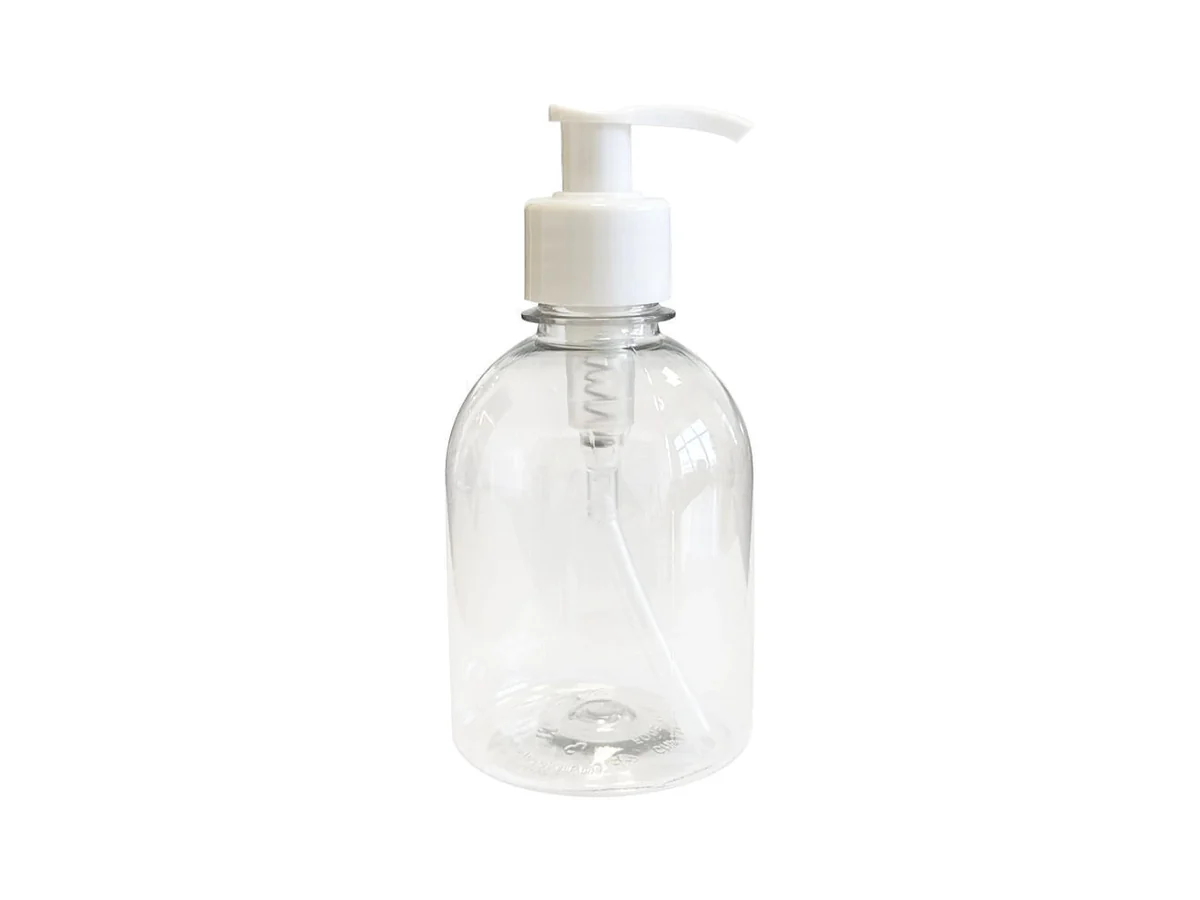
250 ml · PET · 28/410
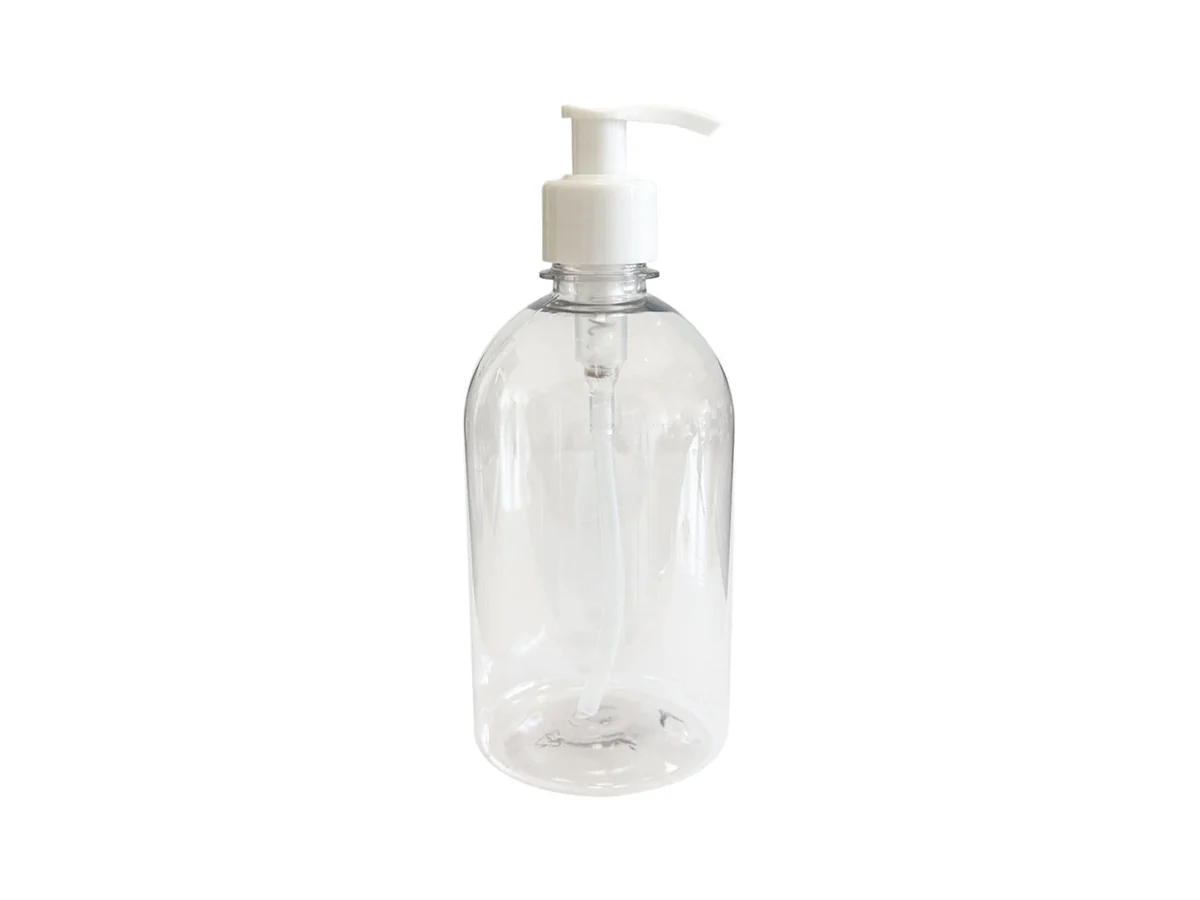
500 ml · PET · 28/410
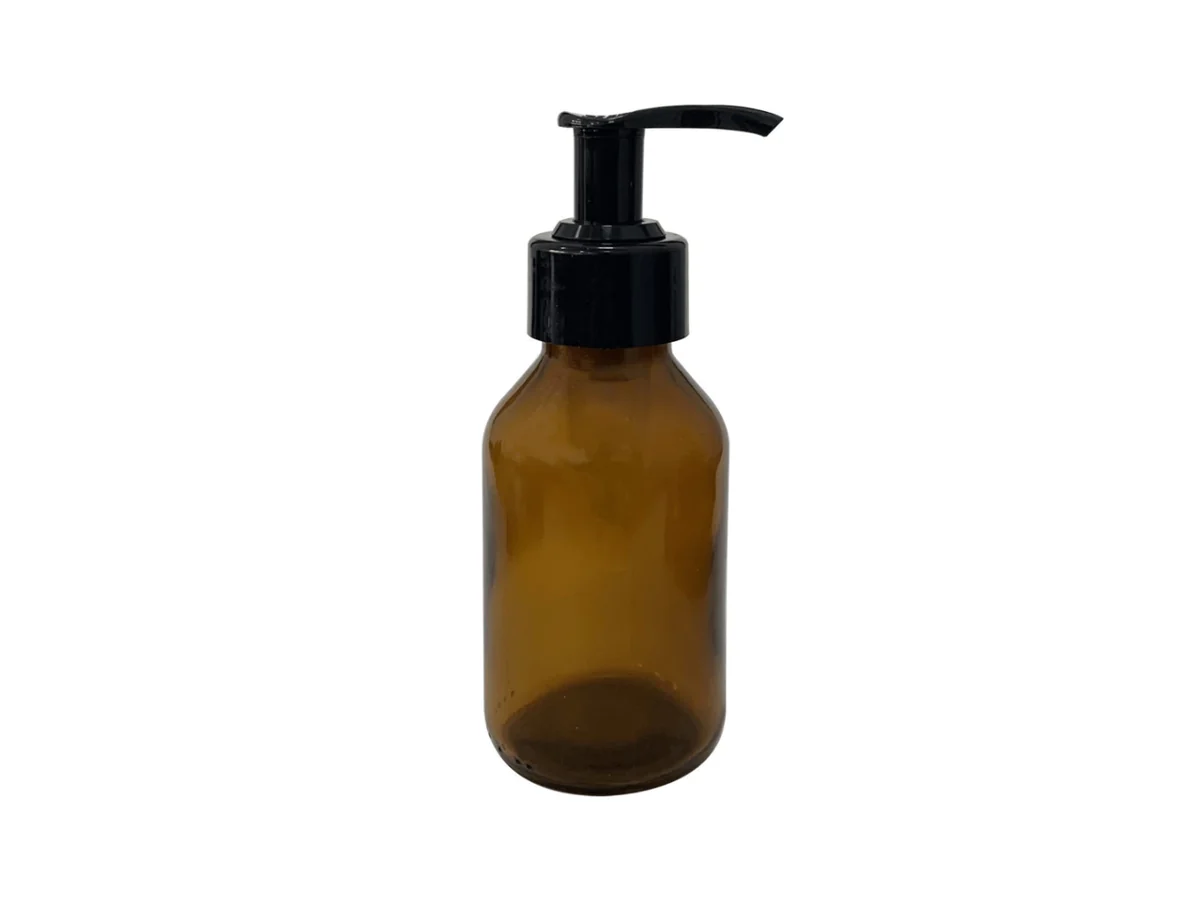
100 ml · Glass · 28/410
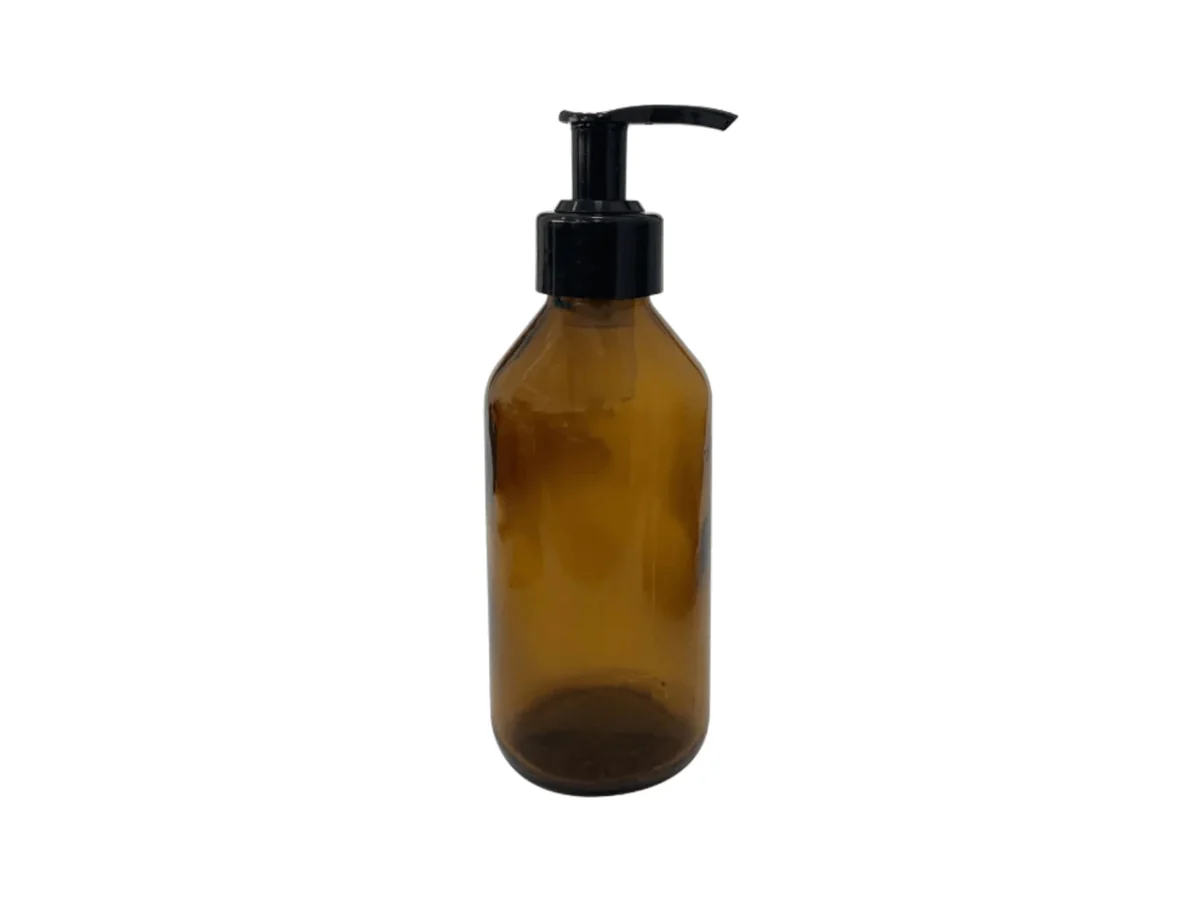
200 ml · Glass · 28/410
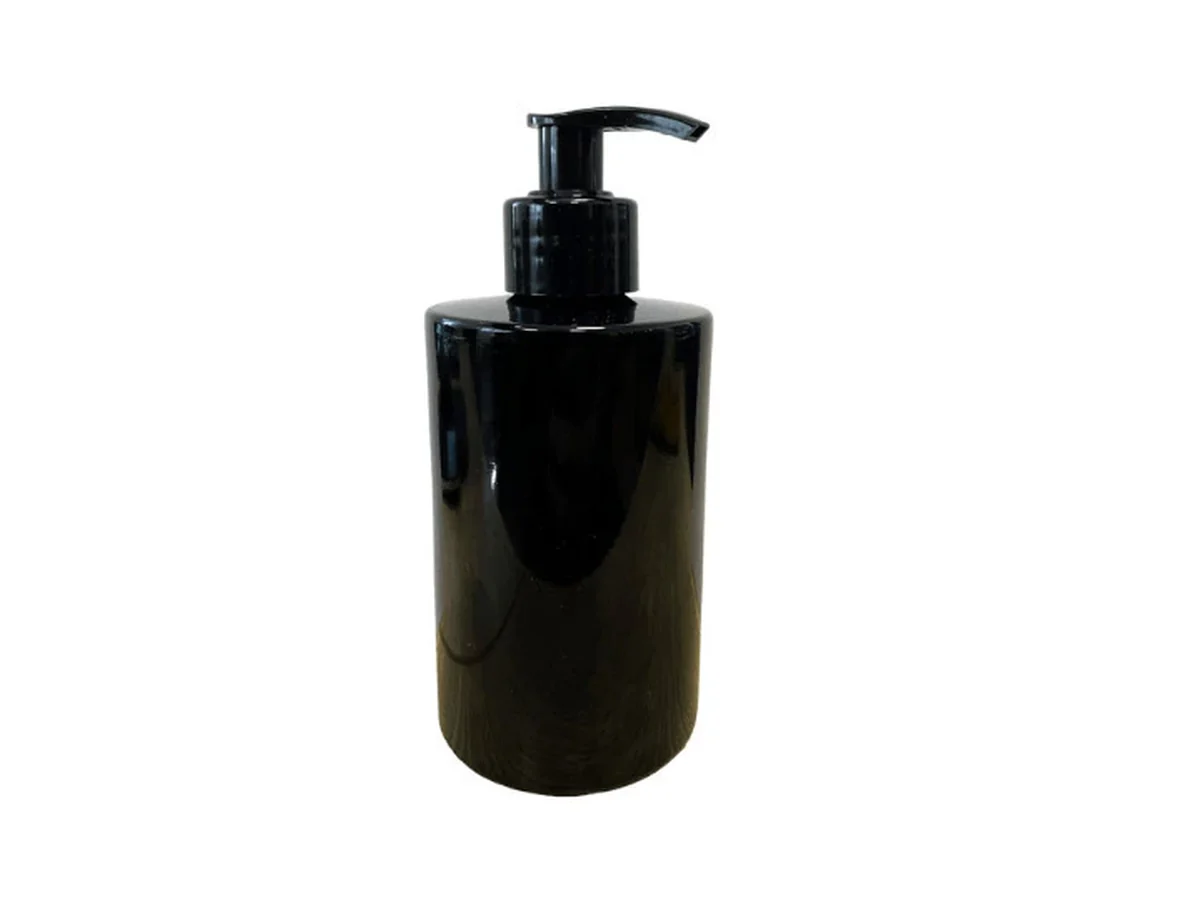
250 ml · Glass · 28/410
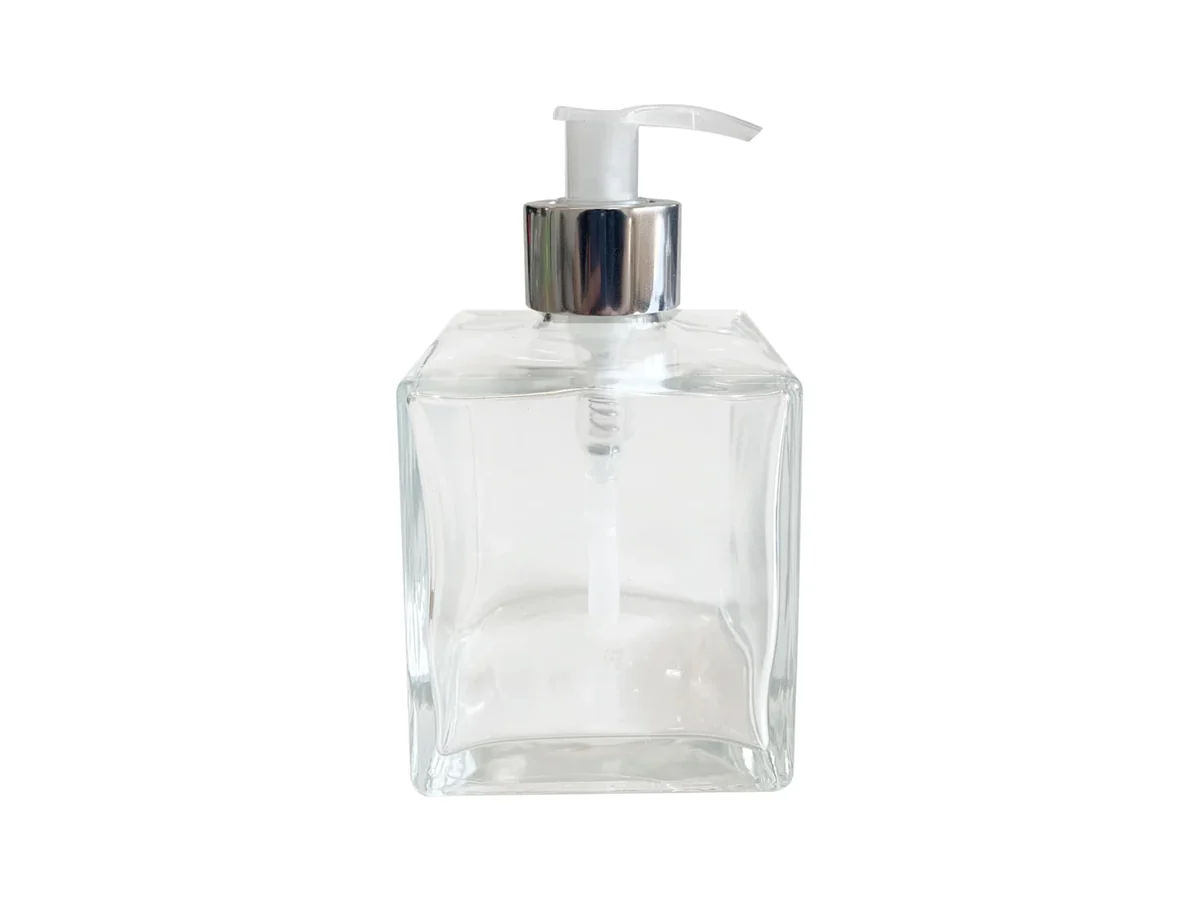
240 ml · Glass · 28/410
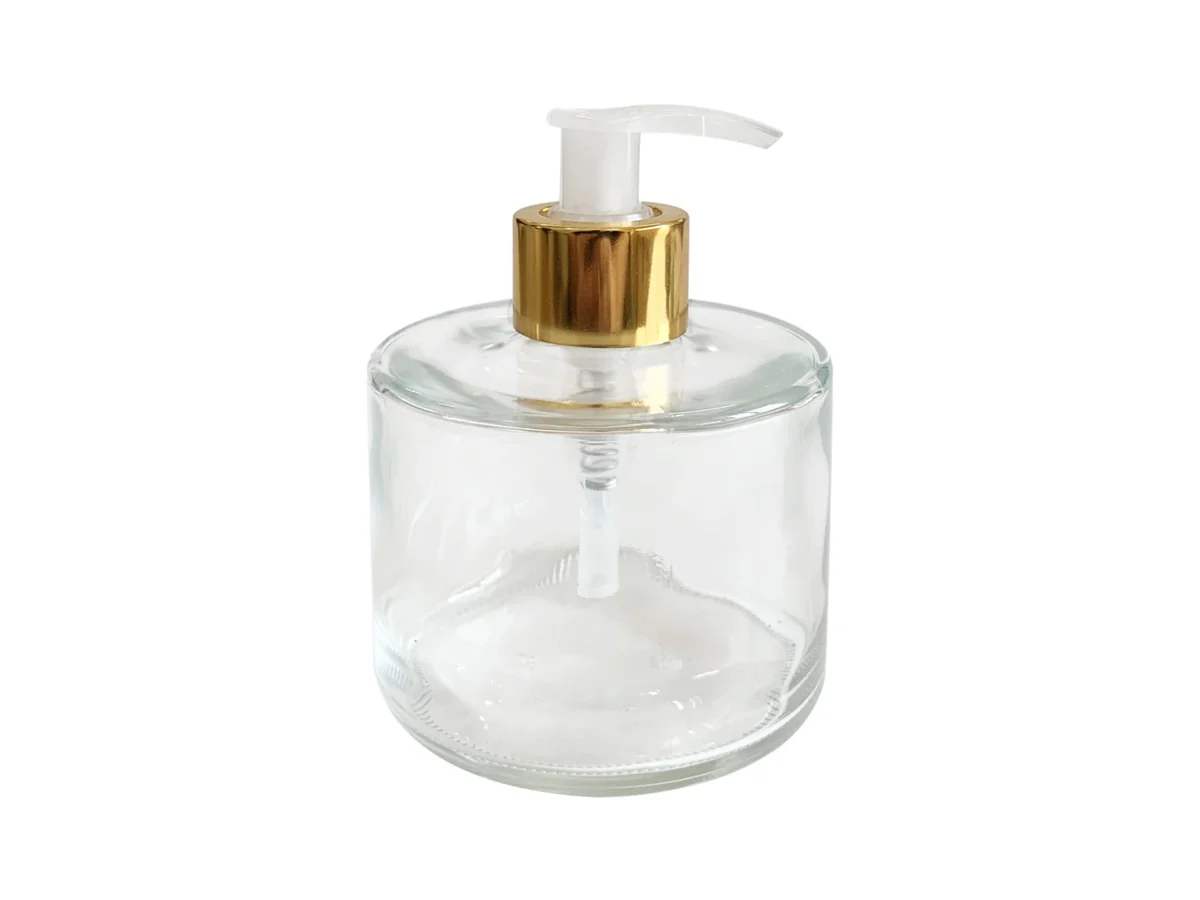
250 ml · Glass · 28/410
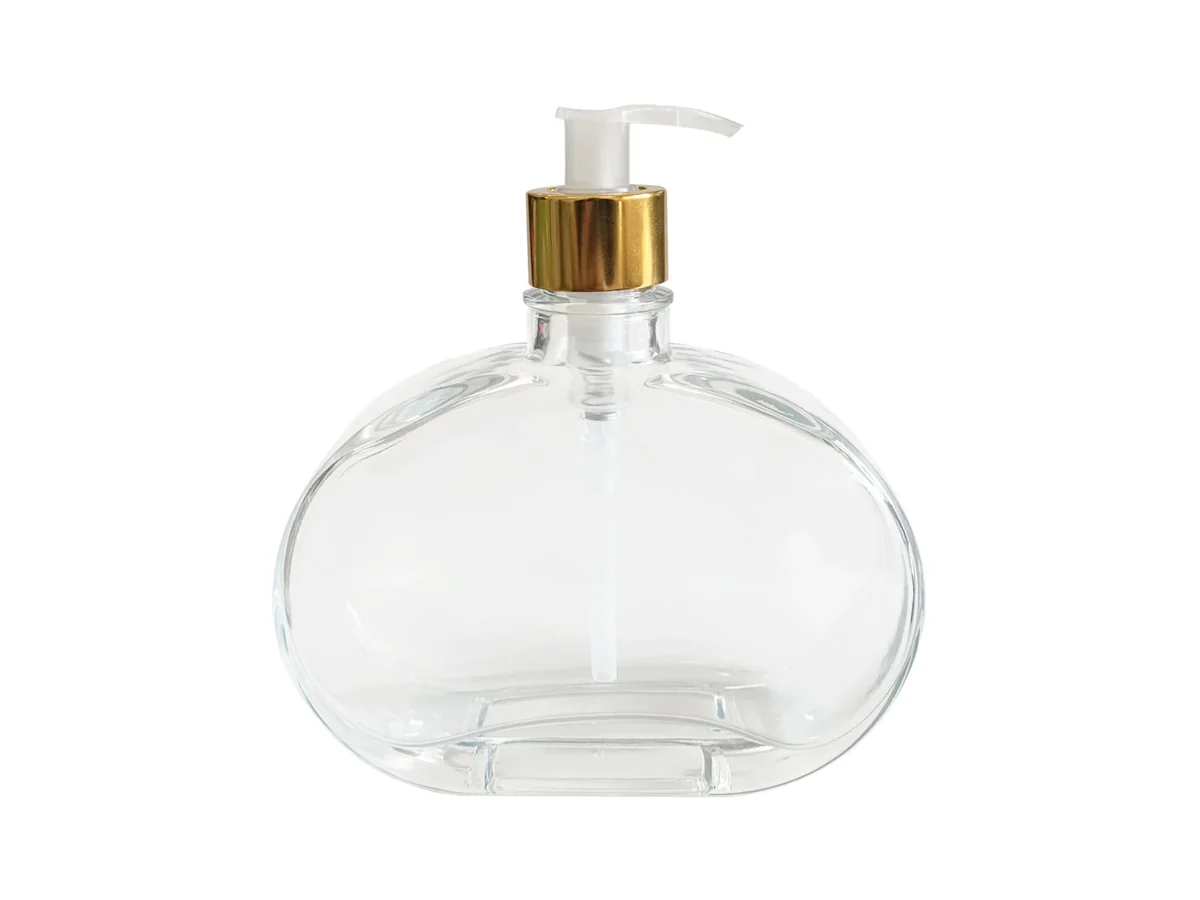
300 ml · Glass · 28/410

30 ml · Glass
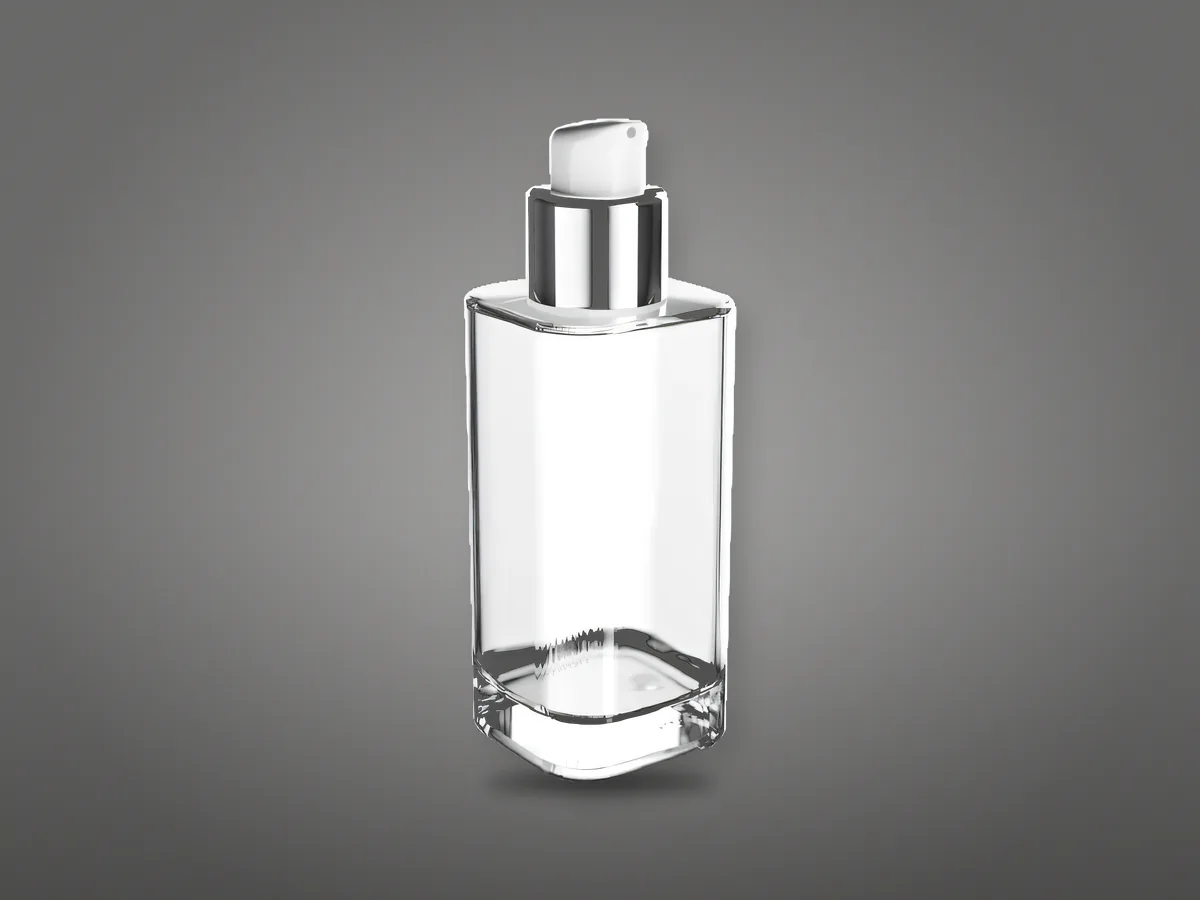
30 ml · Glass
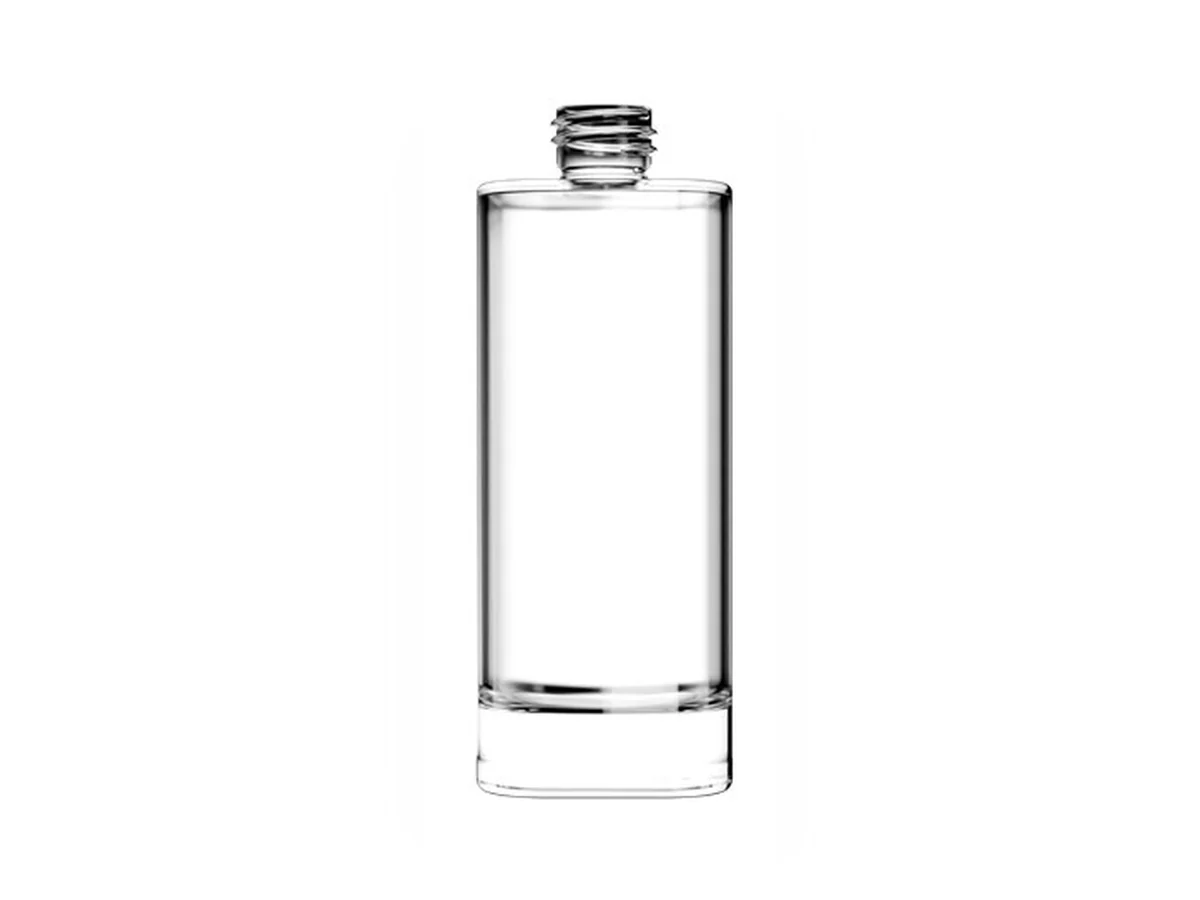
120 ml · Glass

100 ml · Glass
150 ml · Glass

30 ml · Glass
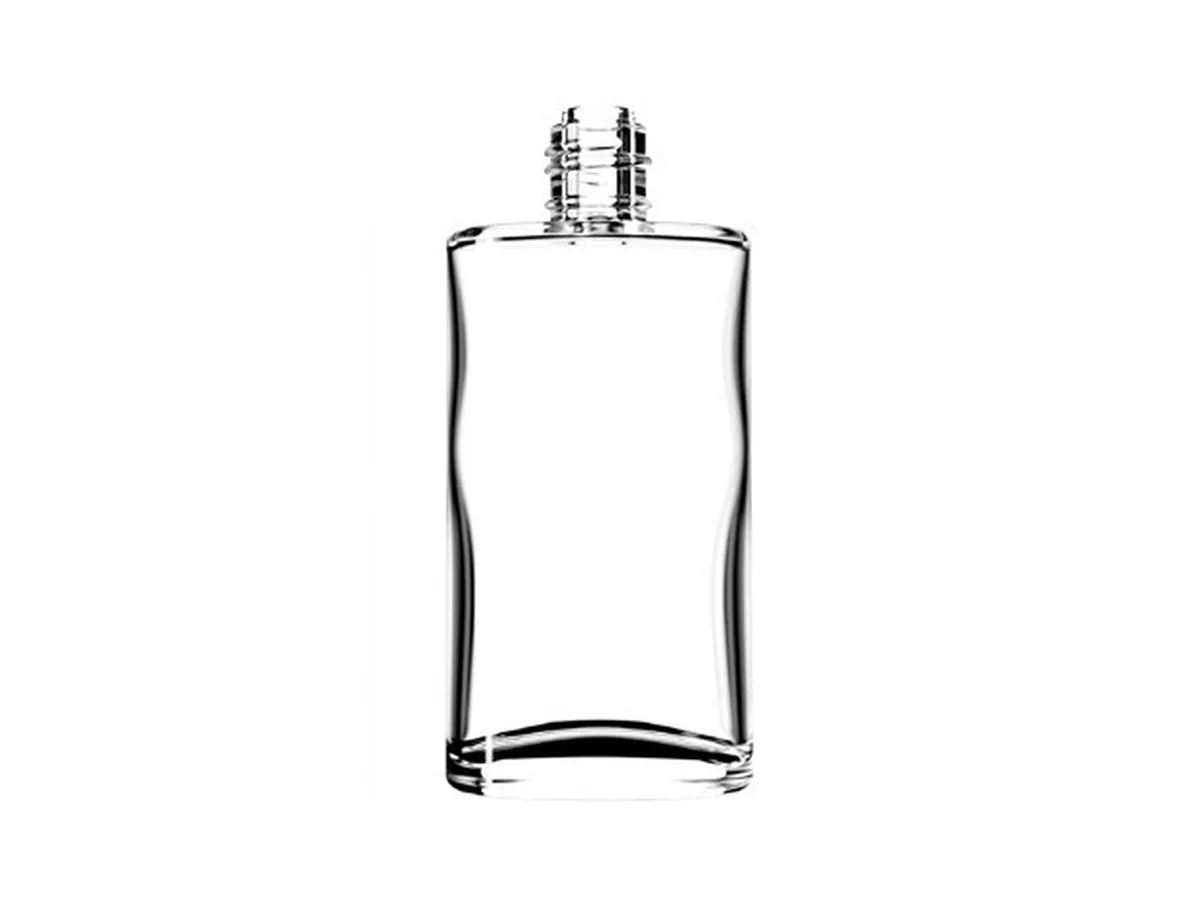
100 ml · Glass
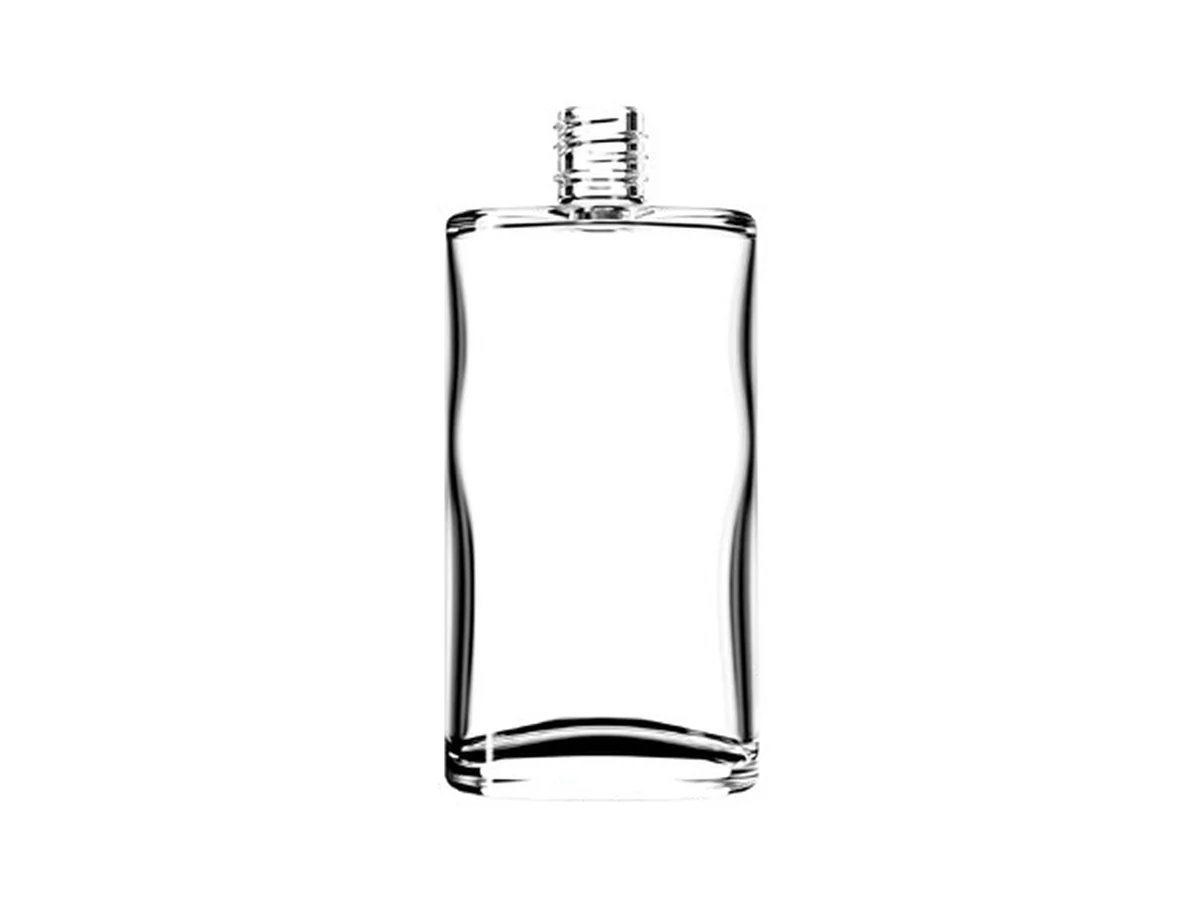
100 ml · Glass
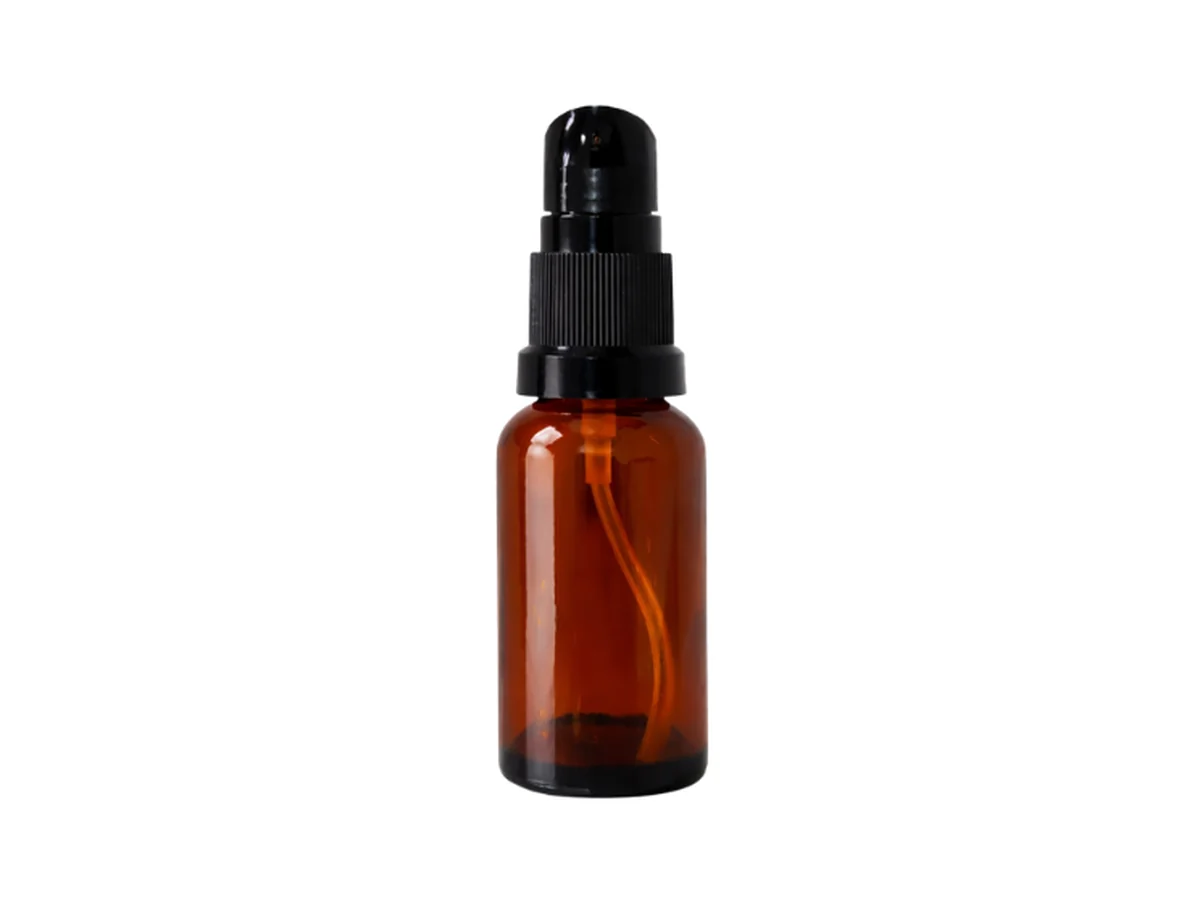
10 ml · Glass · R18
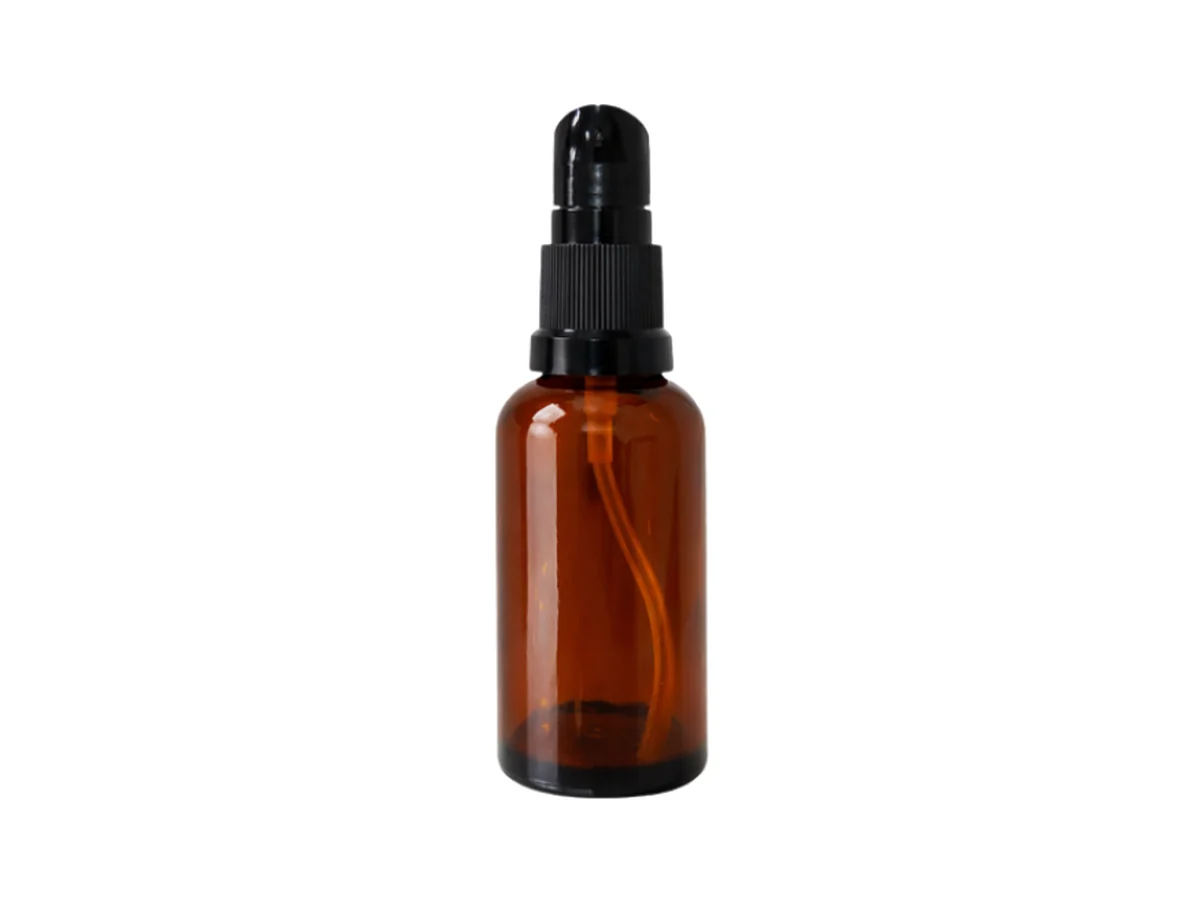
30 ml · Glass · R18
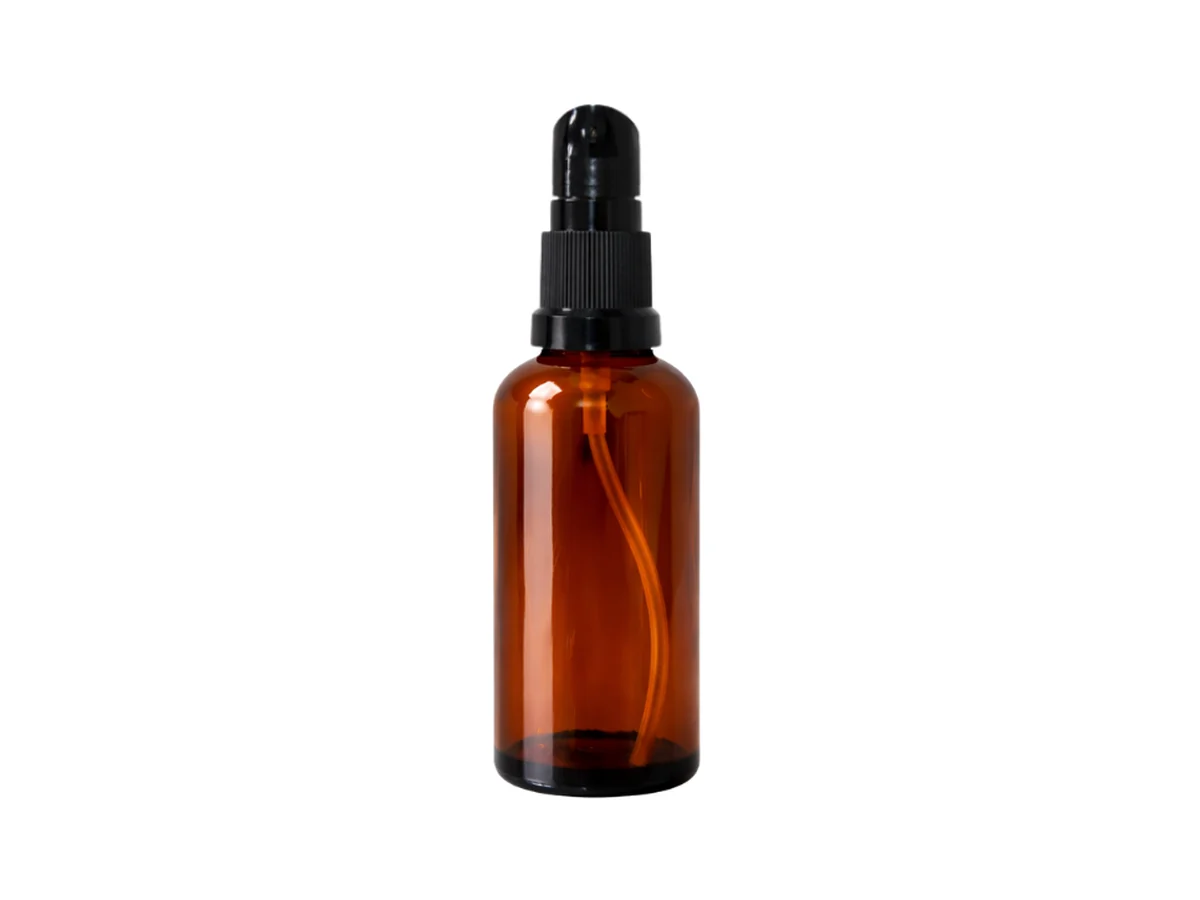
50 ml · Glass · R18
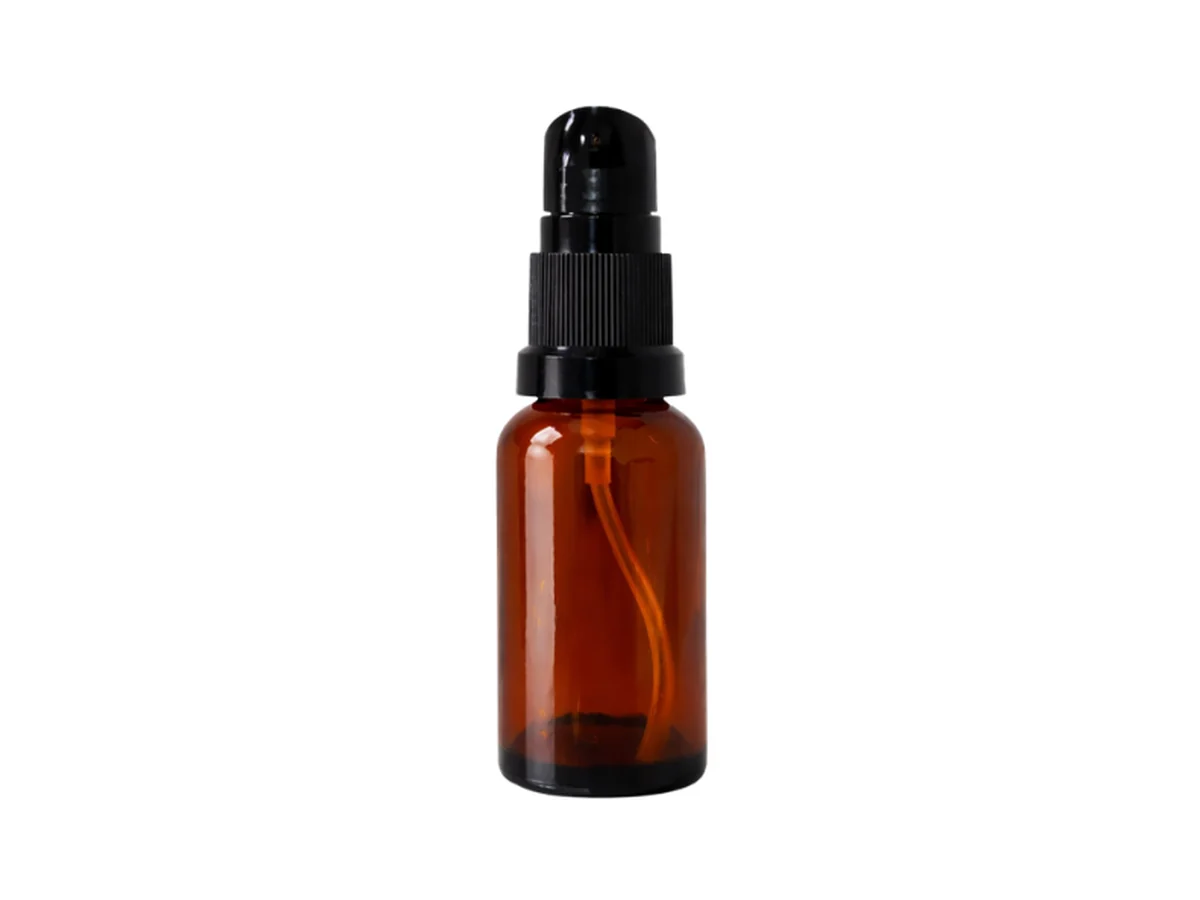
15 ml · Glass · R18
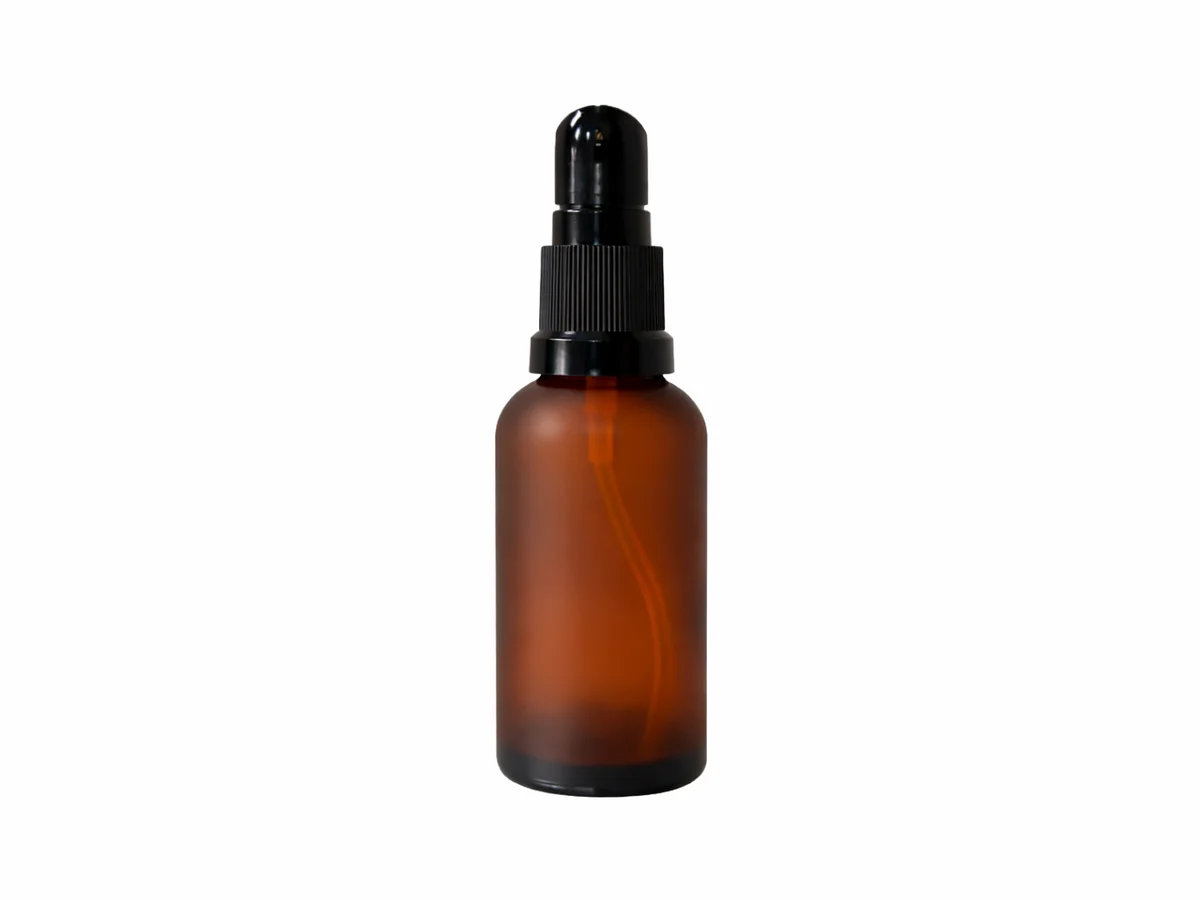
30 ml · Glass · R18
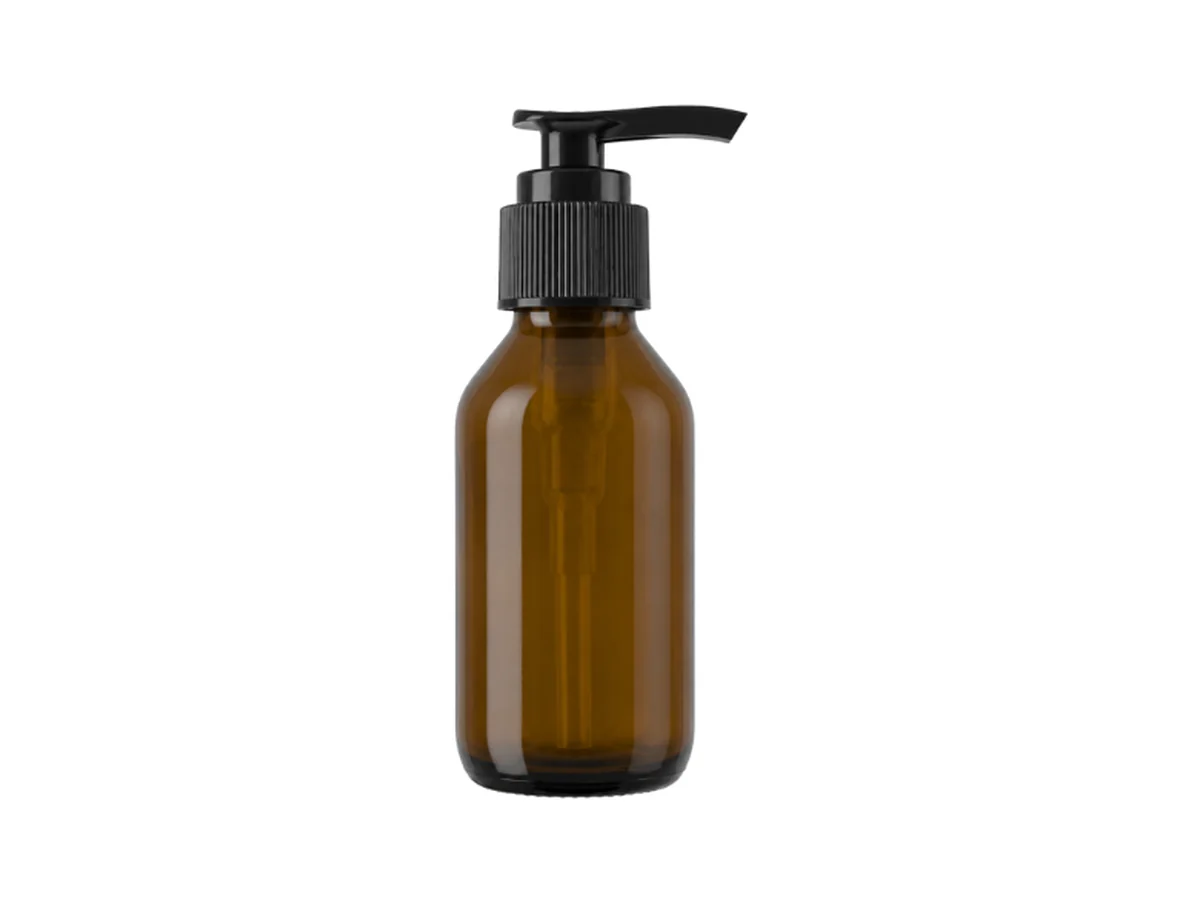
60 ml · Glass · R24
20 ml · Glass · R18
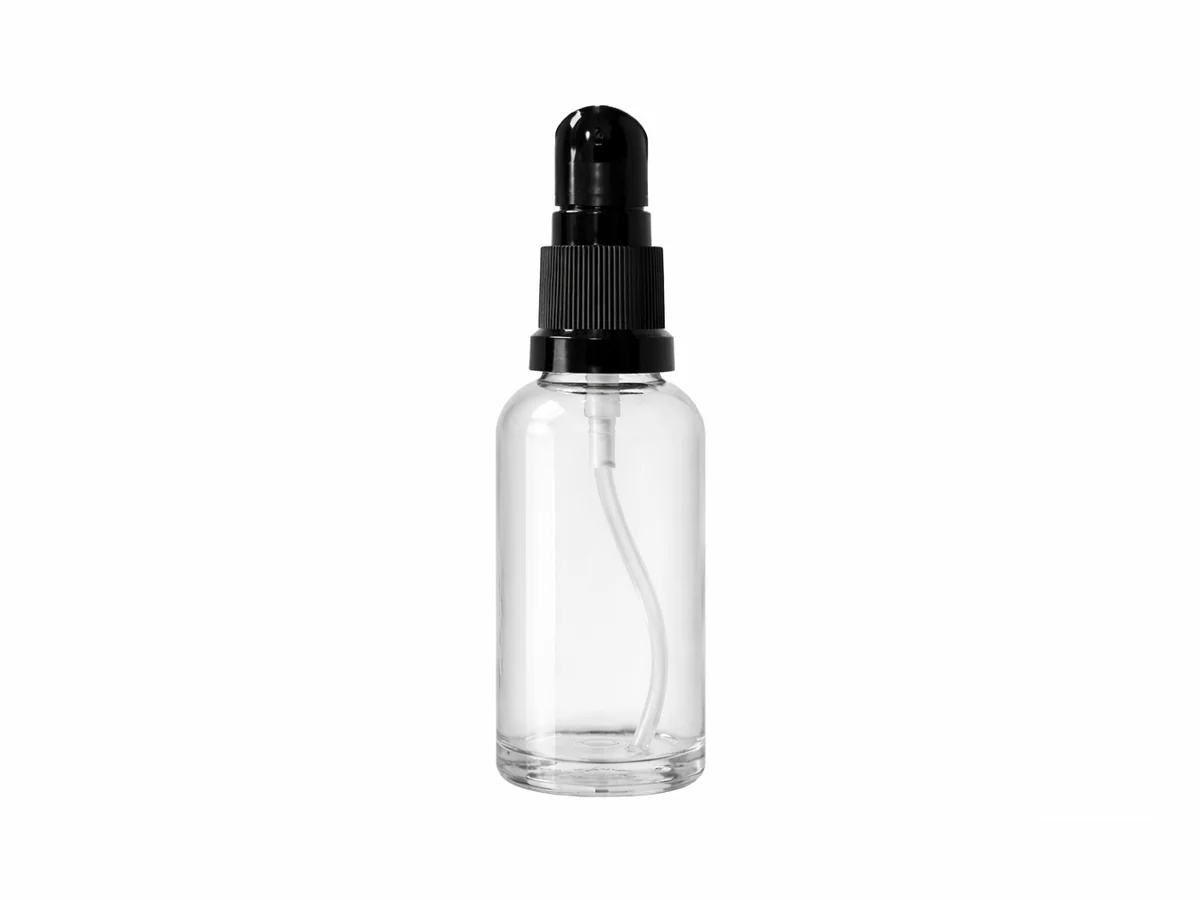
30 ml · Glass · R18
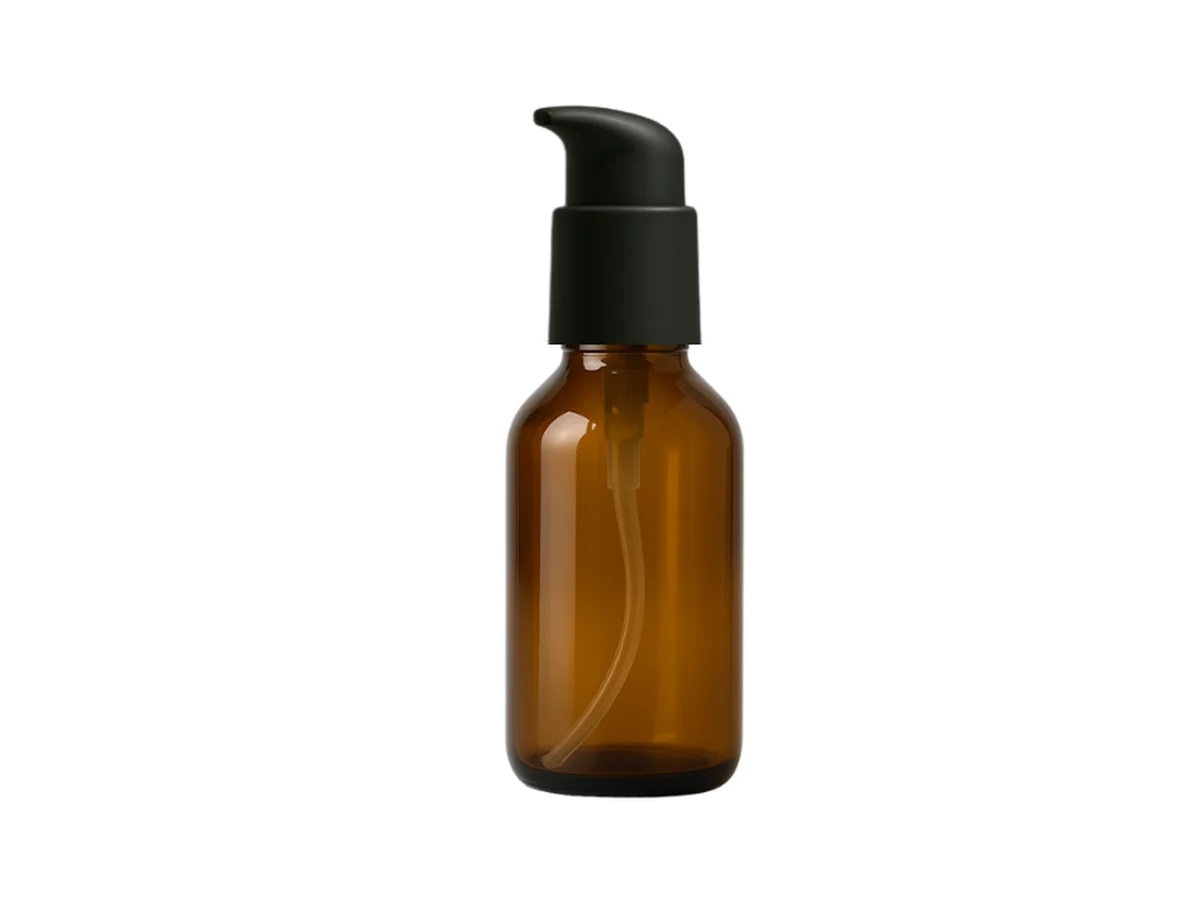
60 ml · Glass · R24
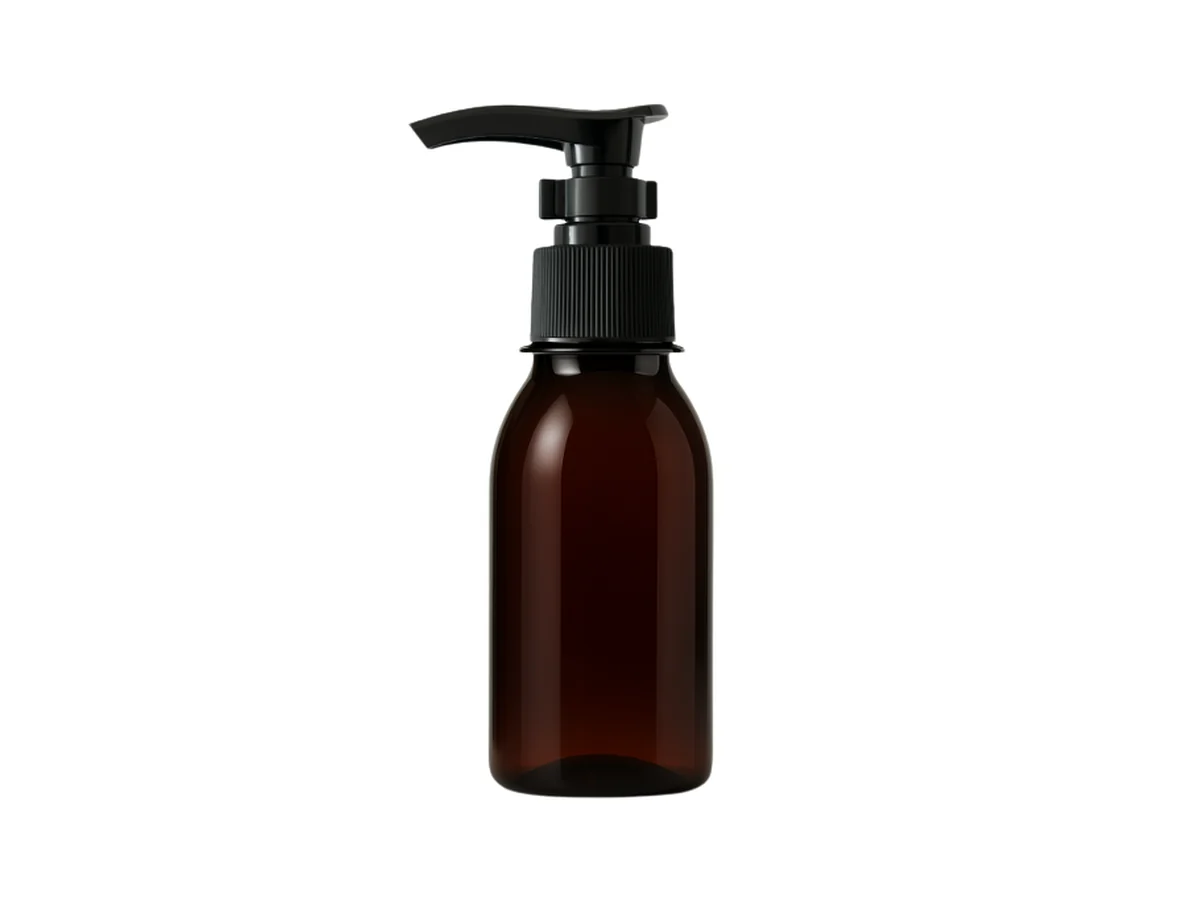
60 ml · Glass · R24
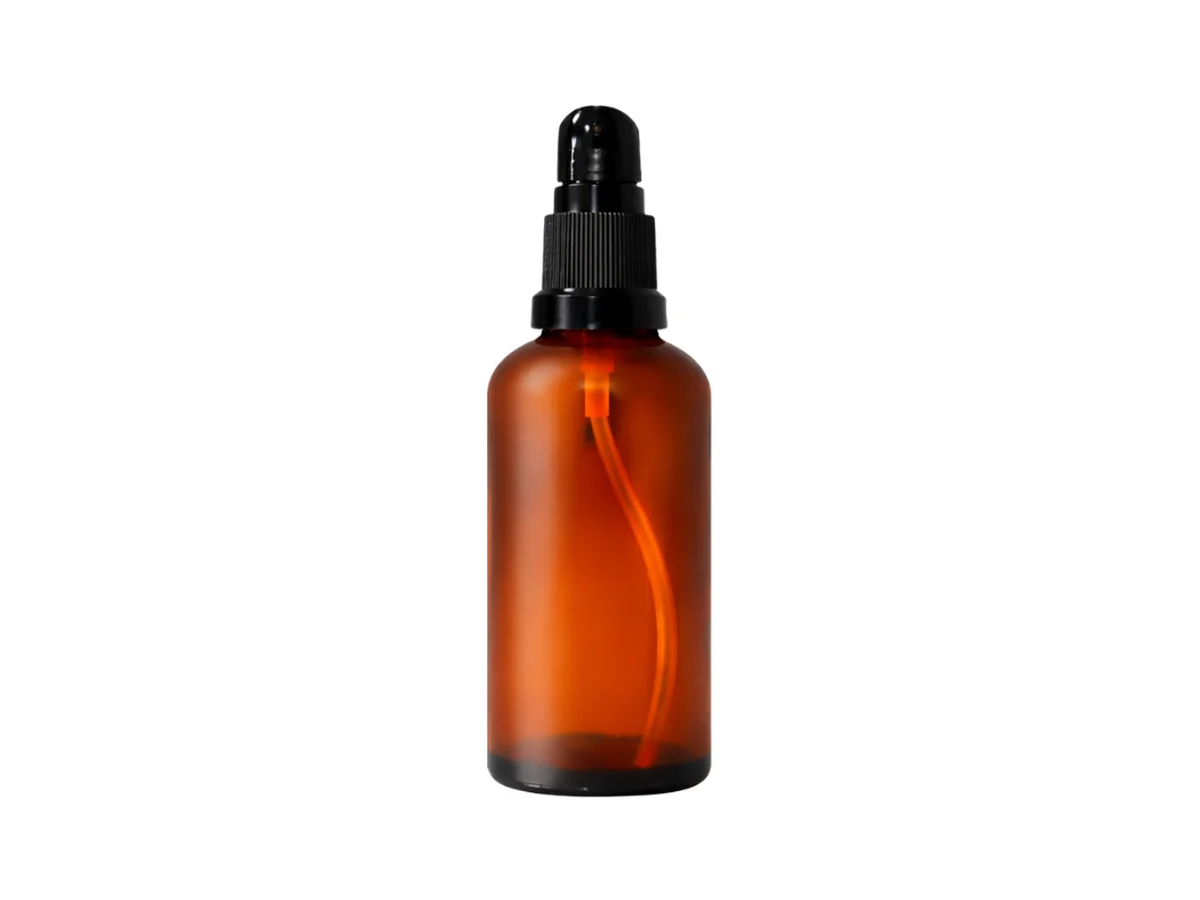
100 ml · Glass · R18
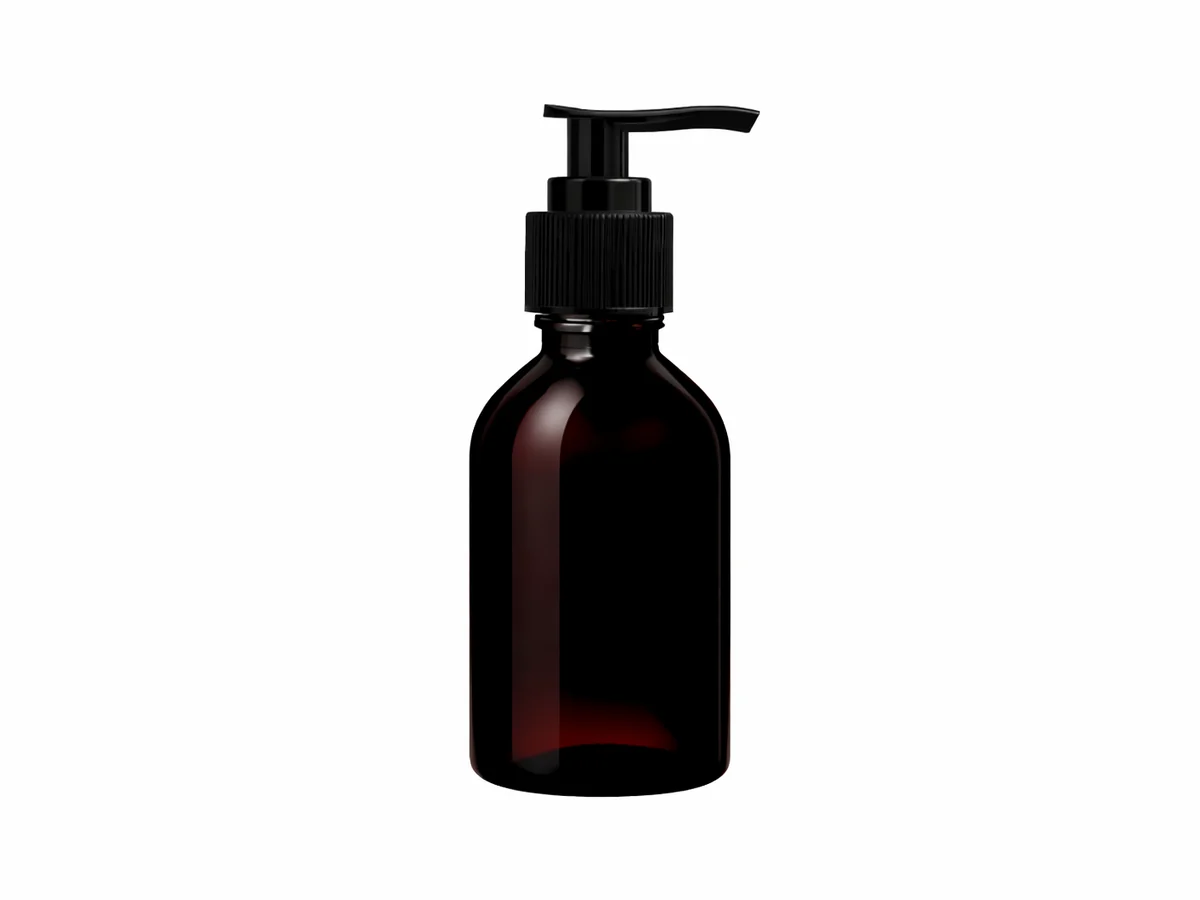
100 ml · Glass · R24
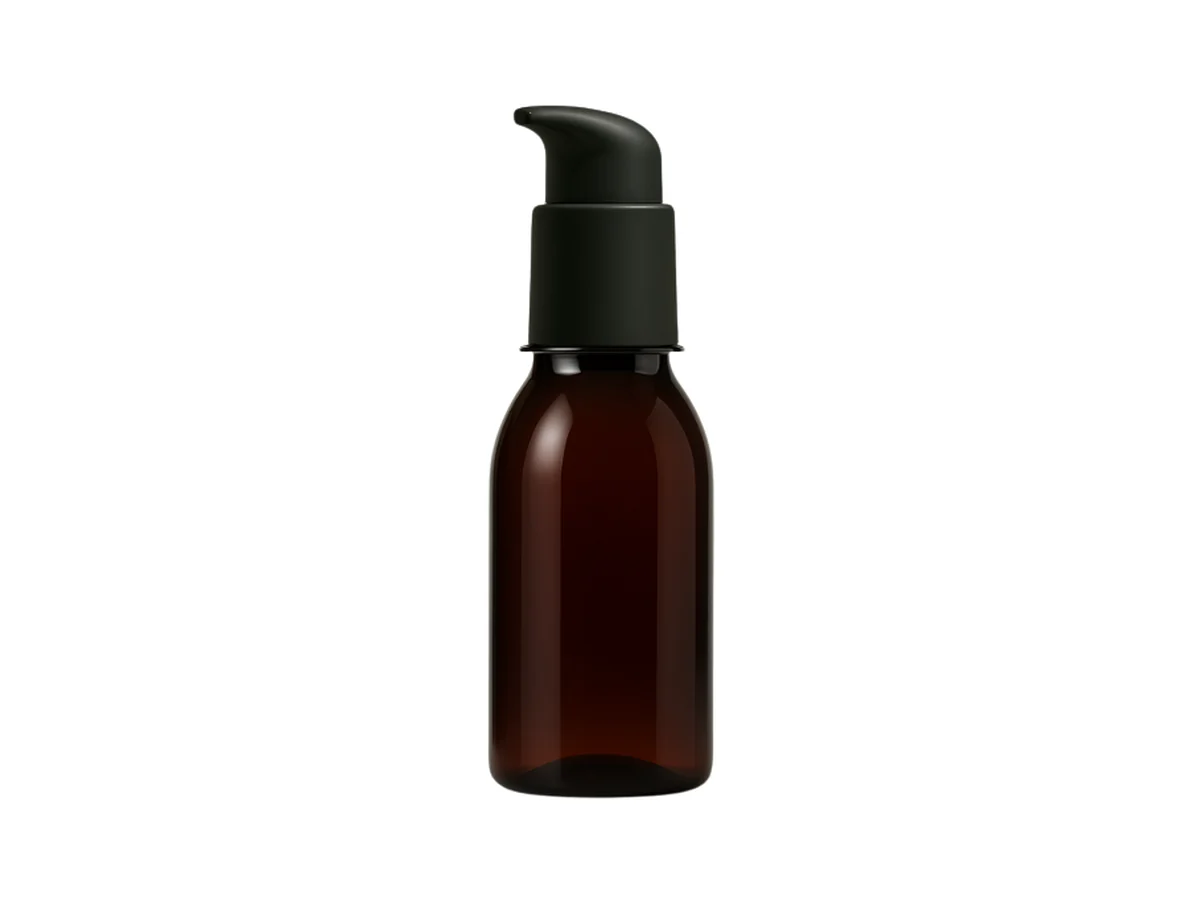
60 ml · Glass · R24
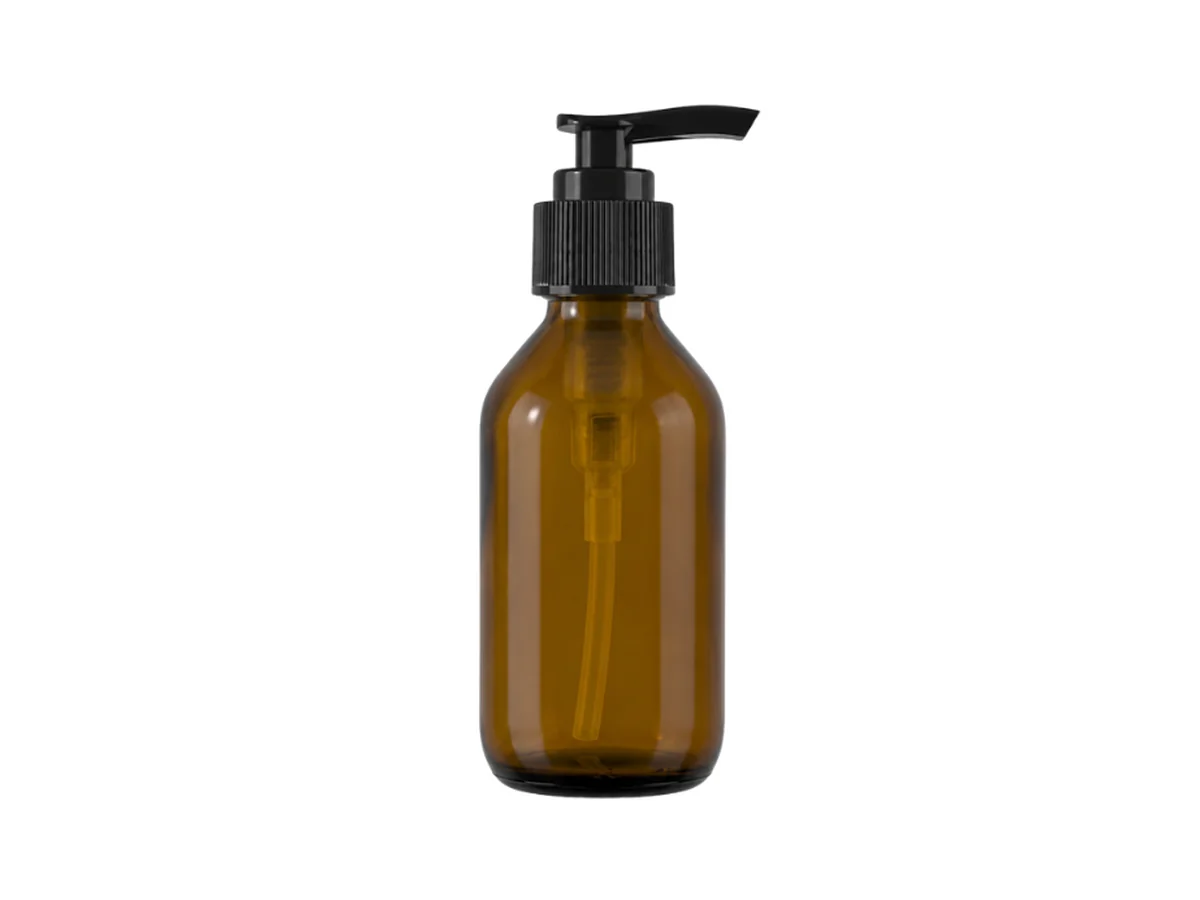
100 ml · Glass · R24
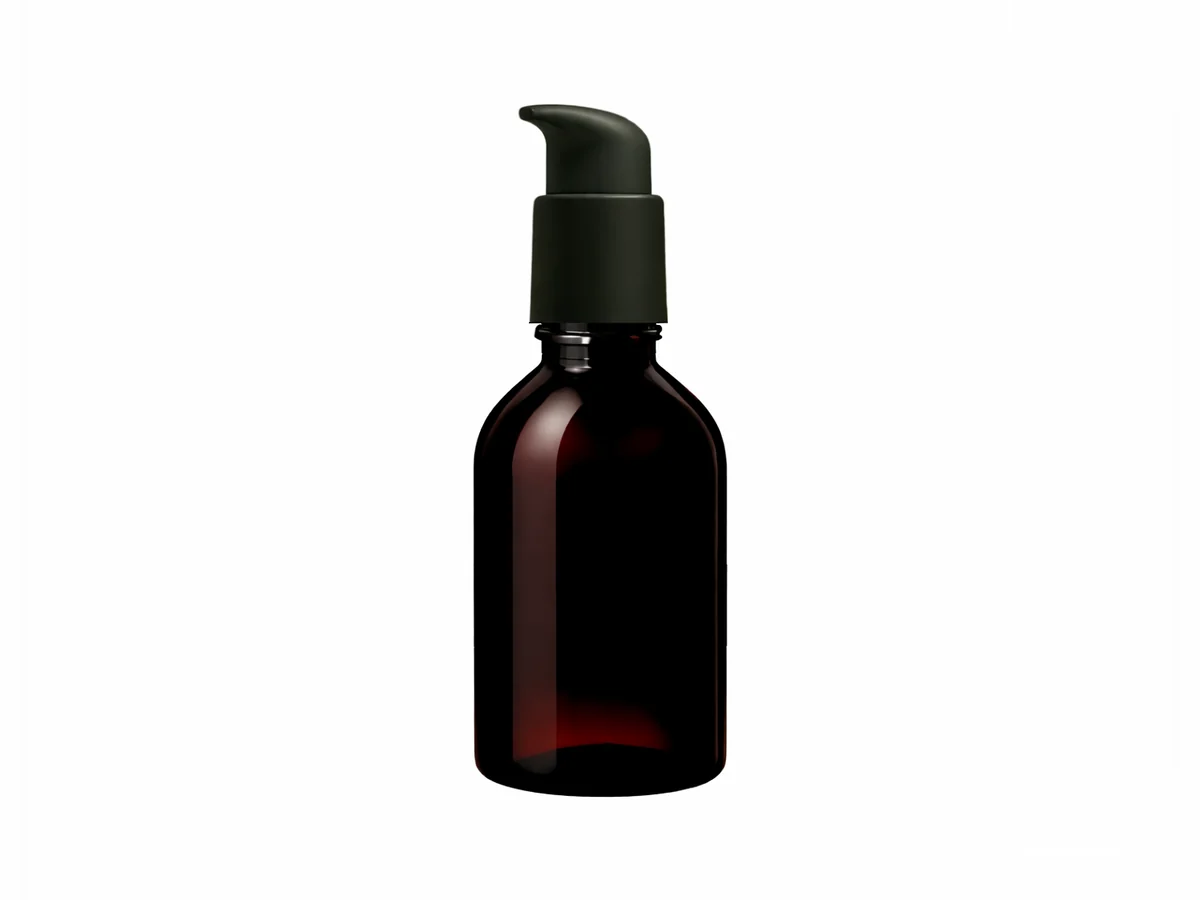
100 ml · Glass · R24
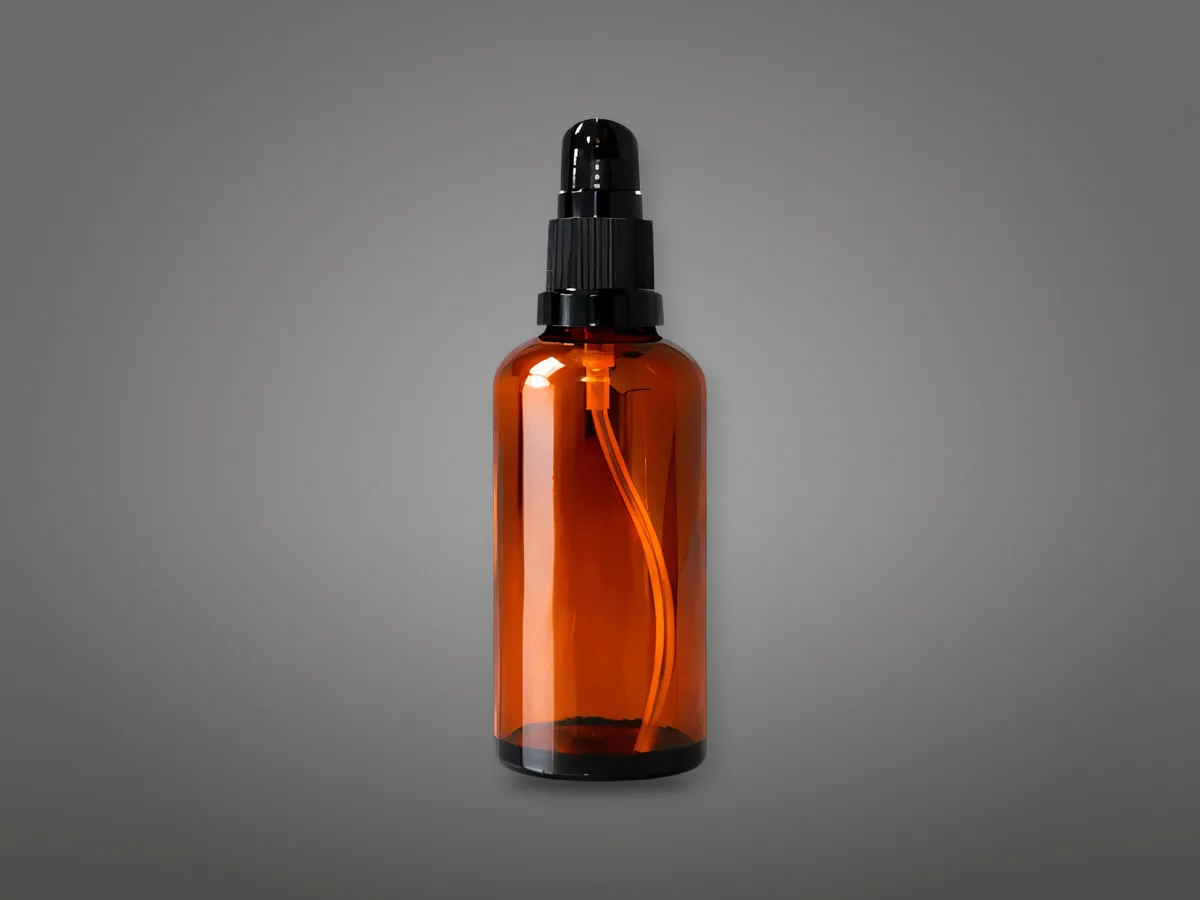
100 ml · Glass · R18
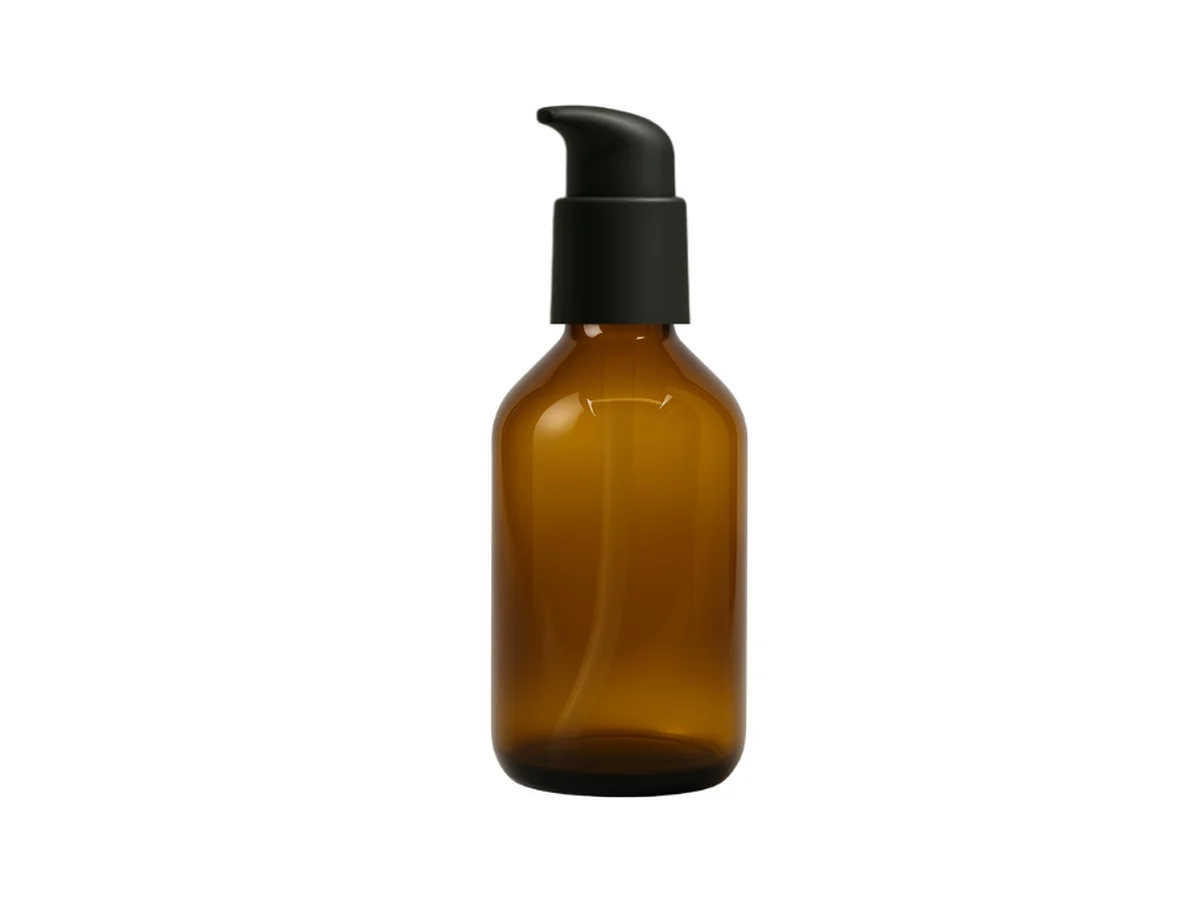
100 ml · Glass · R24
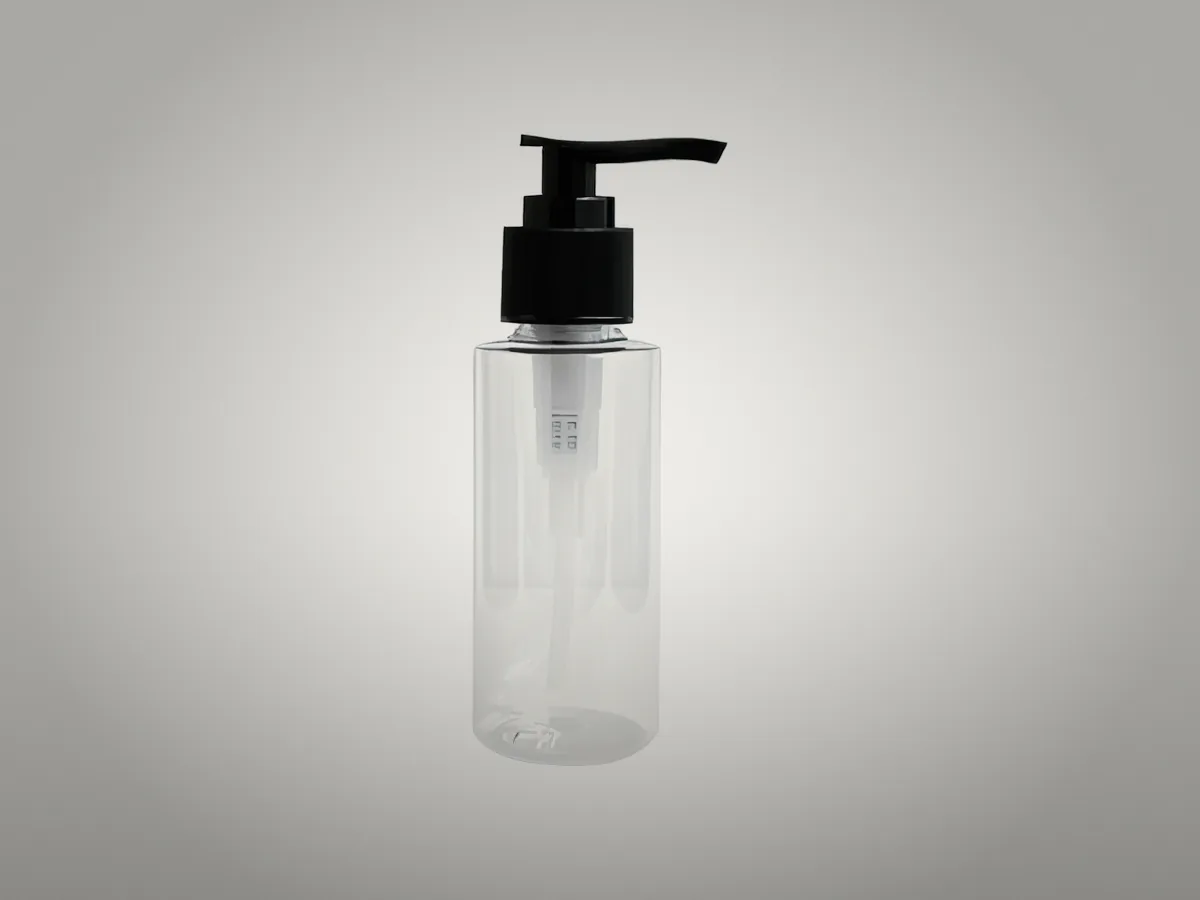
120 ml · Glass · R24
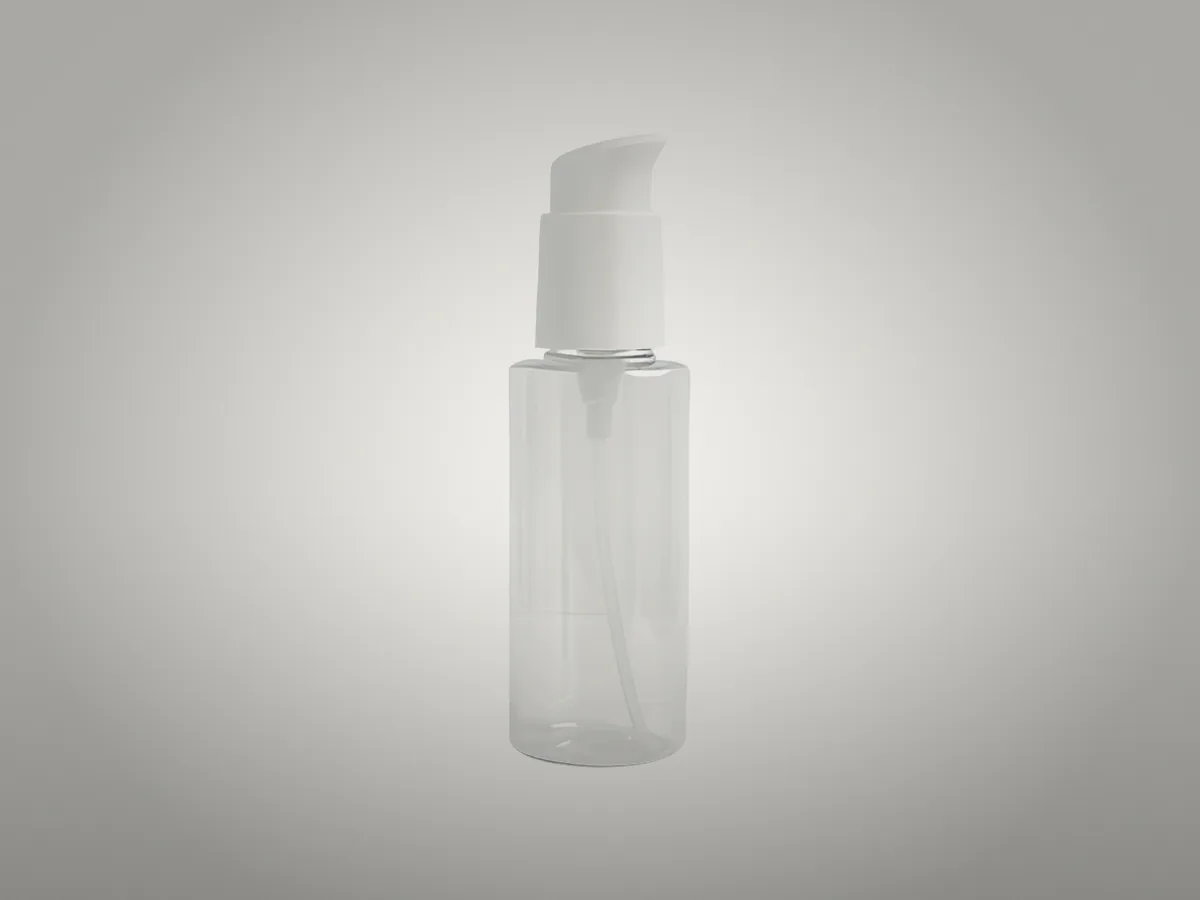
120 ml · Glass · R24
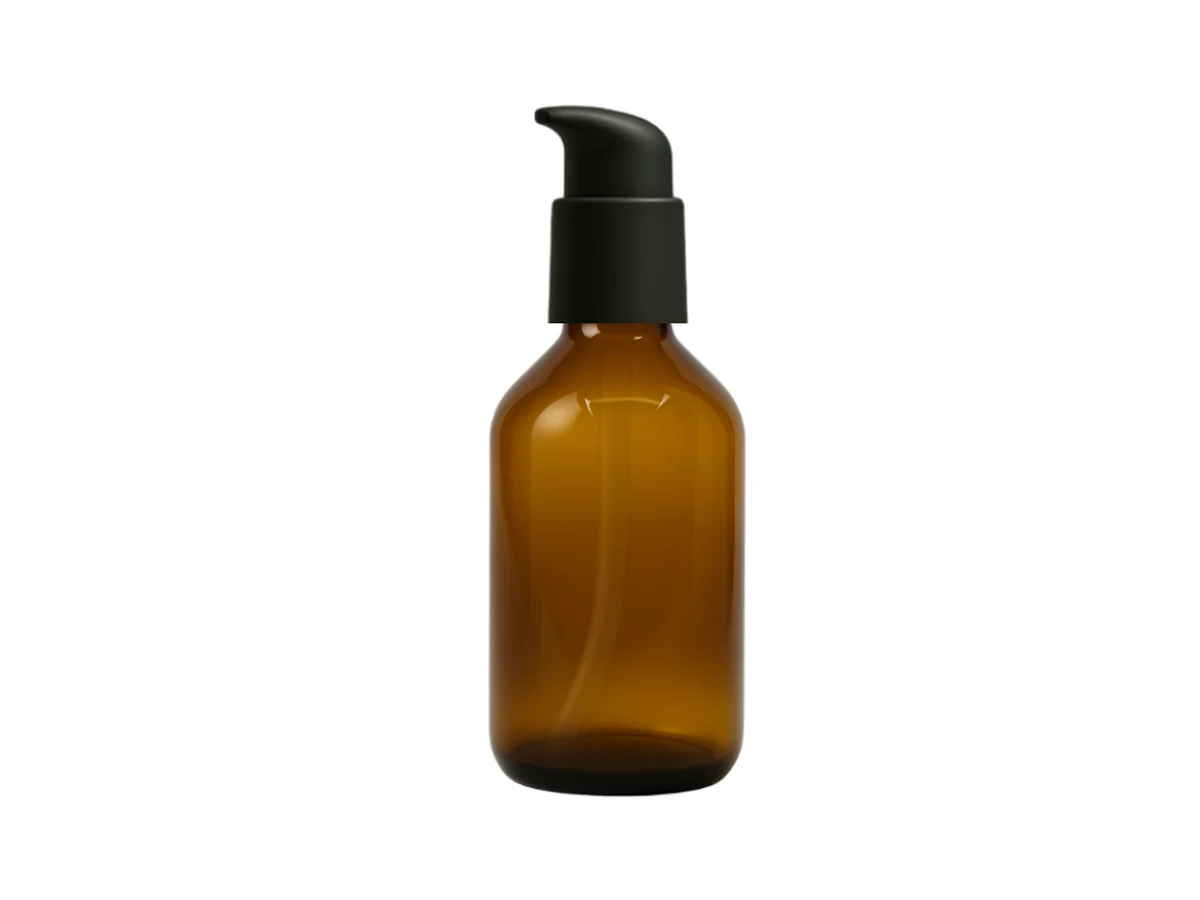
150 ml · Glass · R24
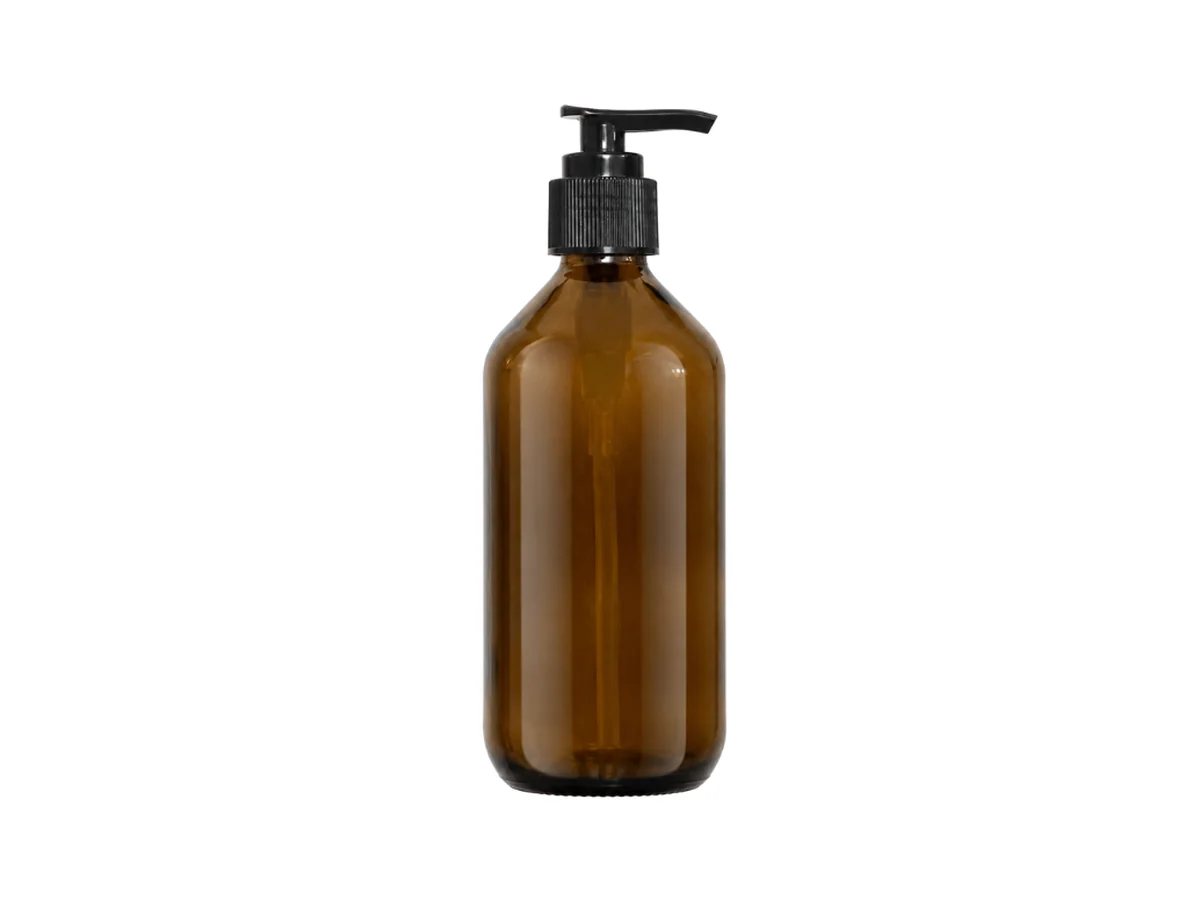
200 ml · Glass · R24
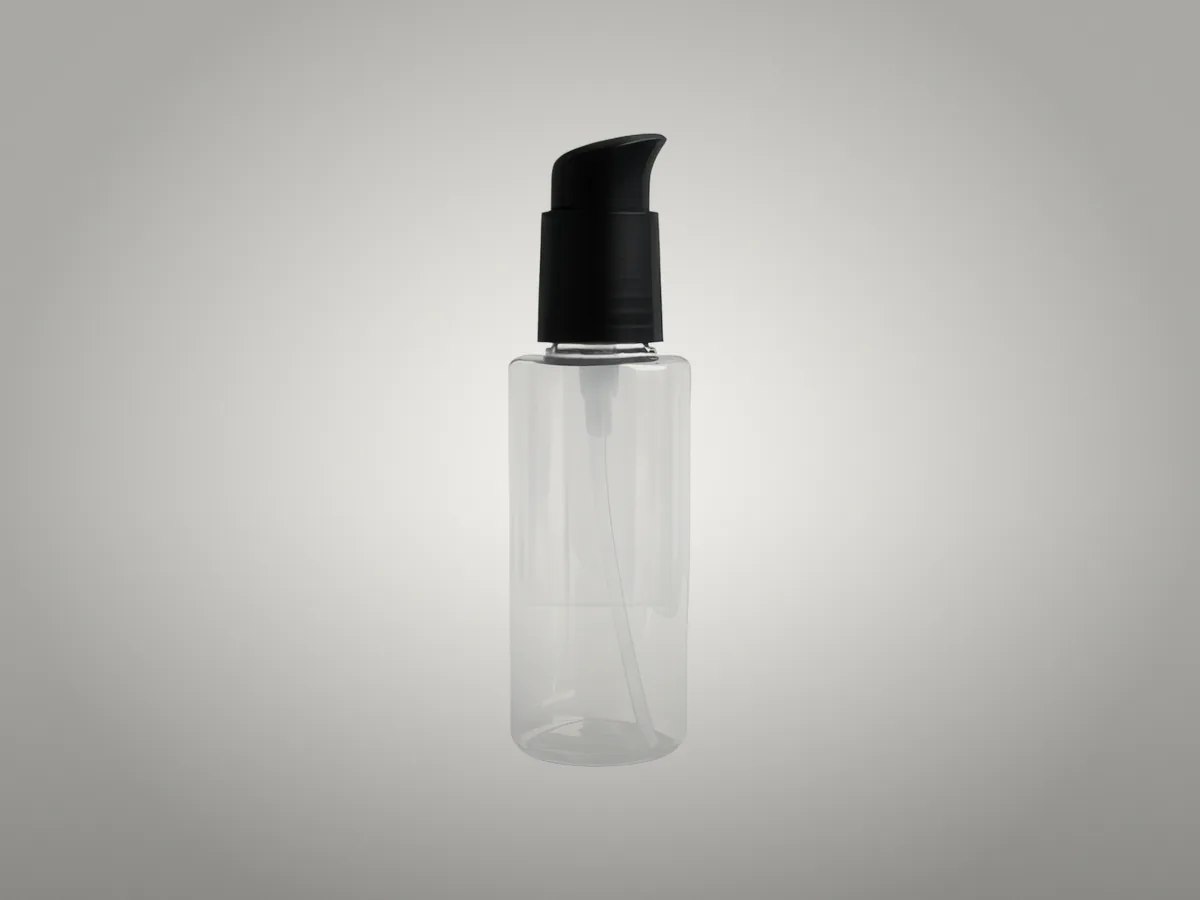
120 ml · Glass · R24
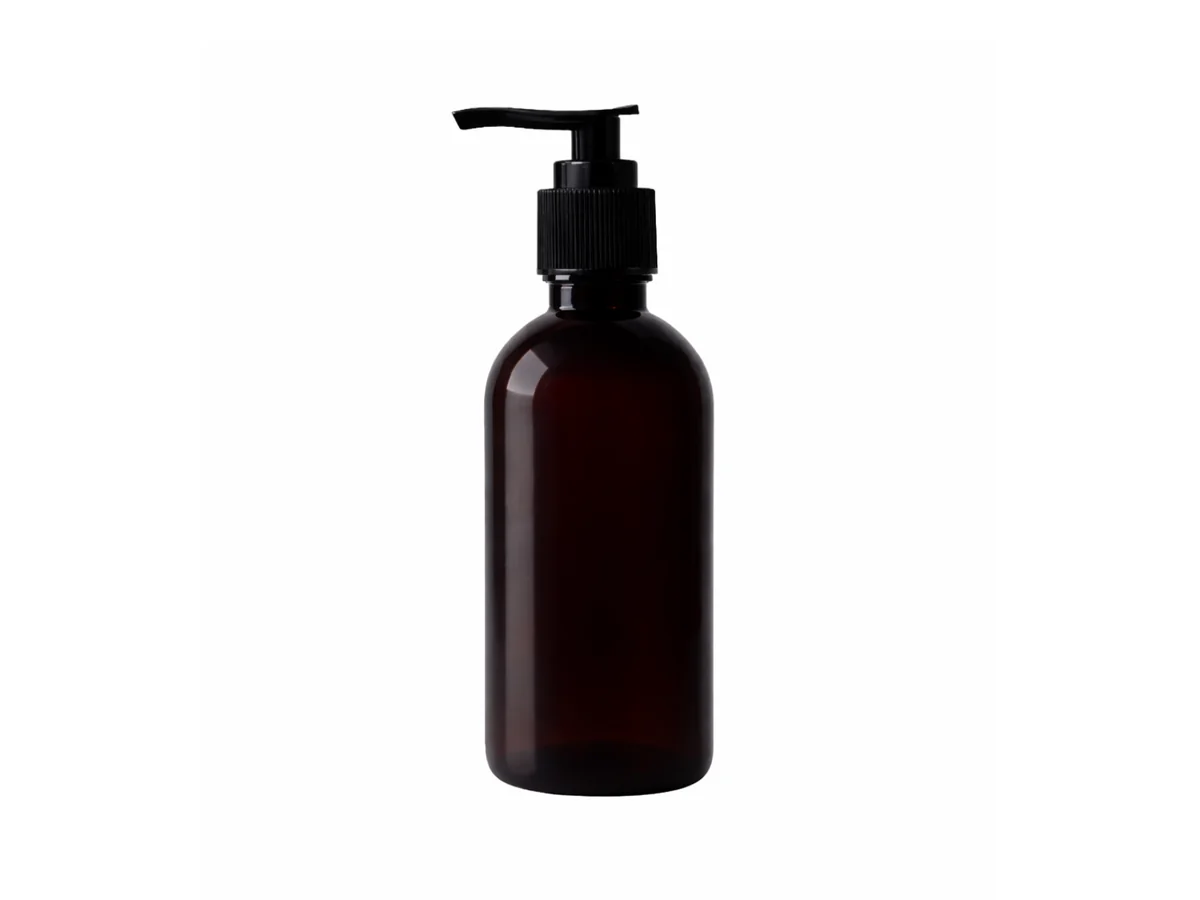
150 ml · Glass · R24
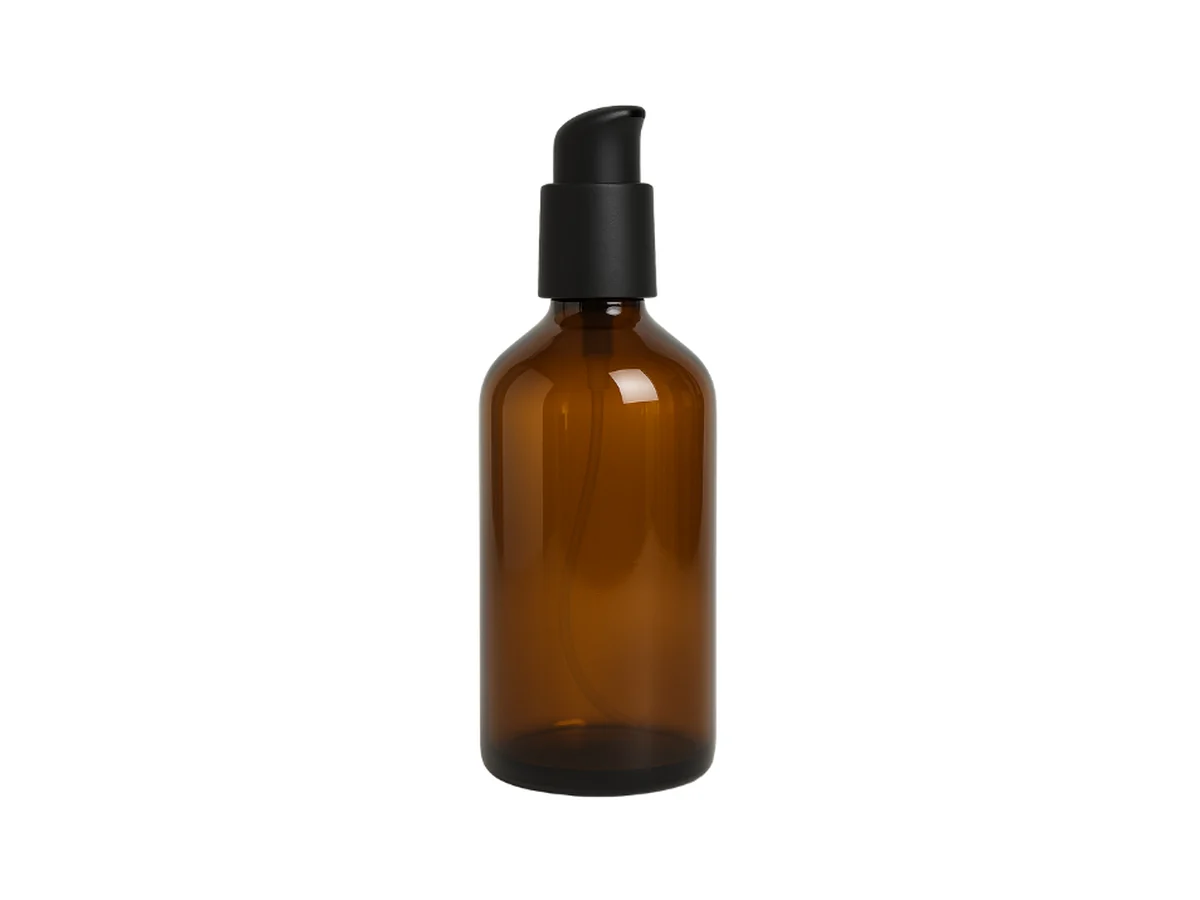
200 ml · Glass · R24
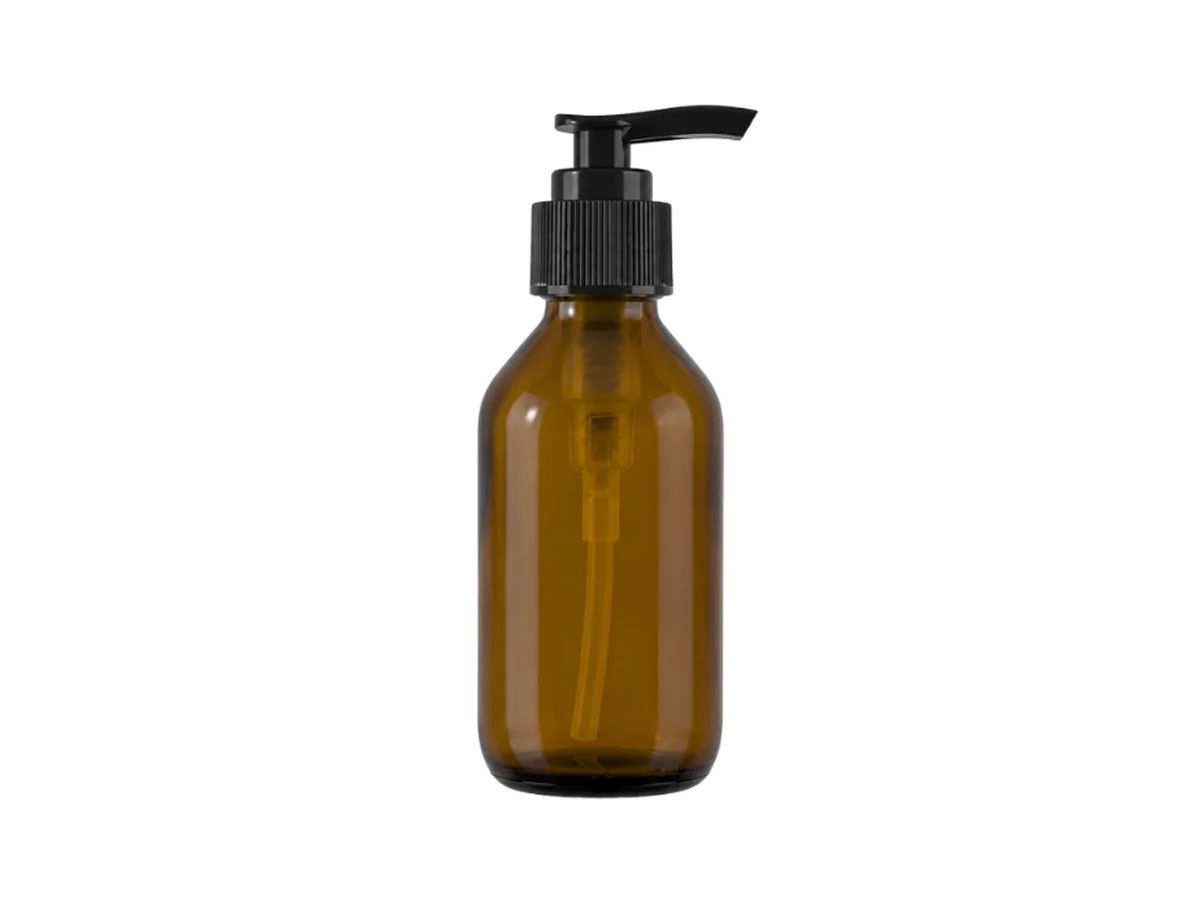
150 ml · Glass · R24
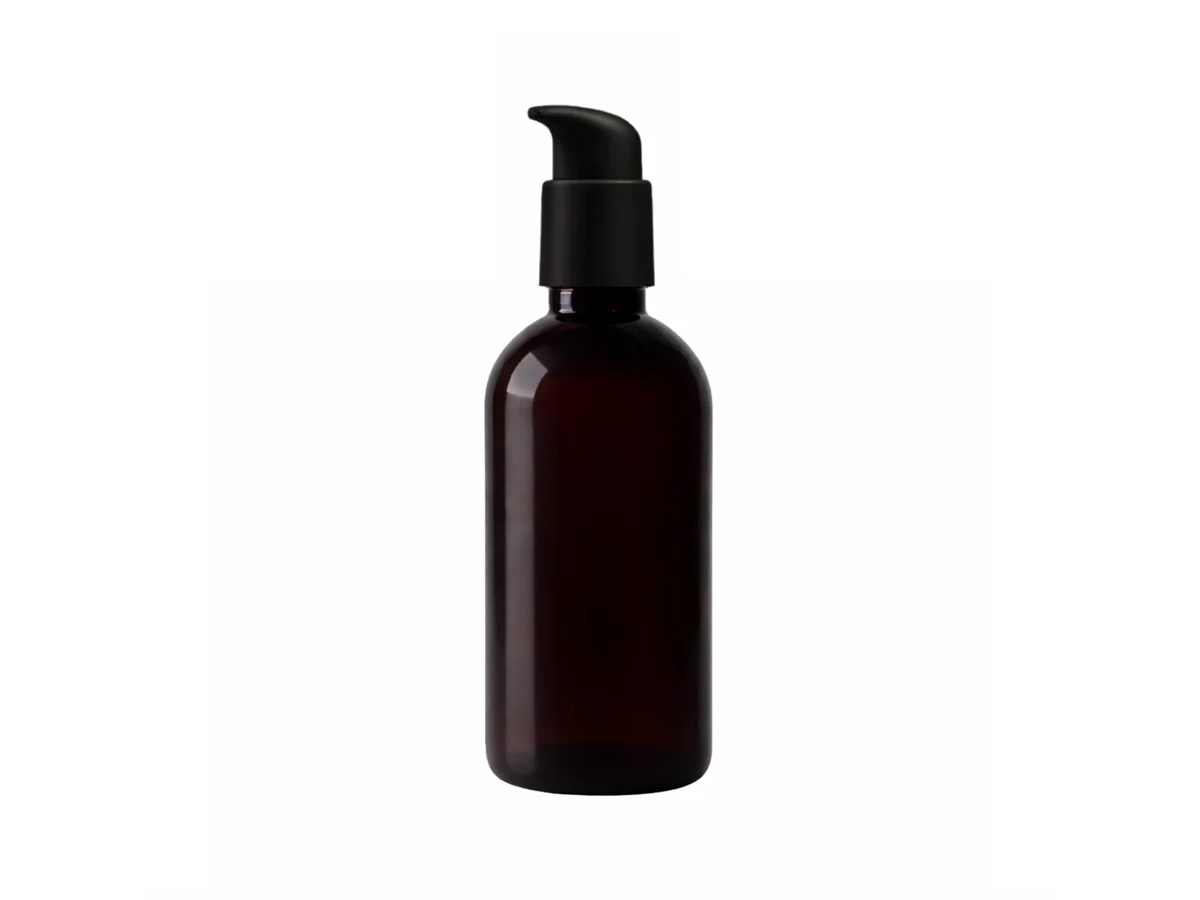
150 ml · Glass · R24
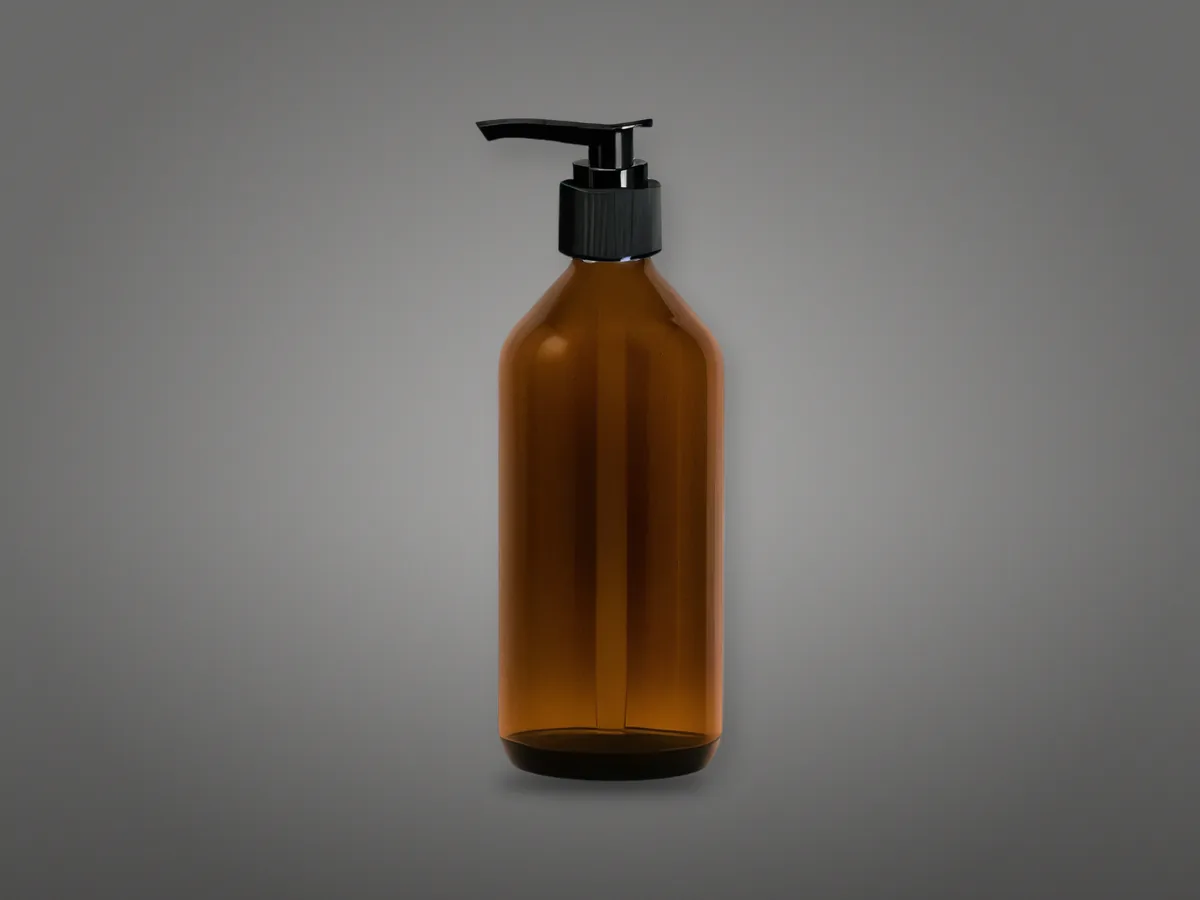
250 ml · Glass · R24
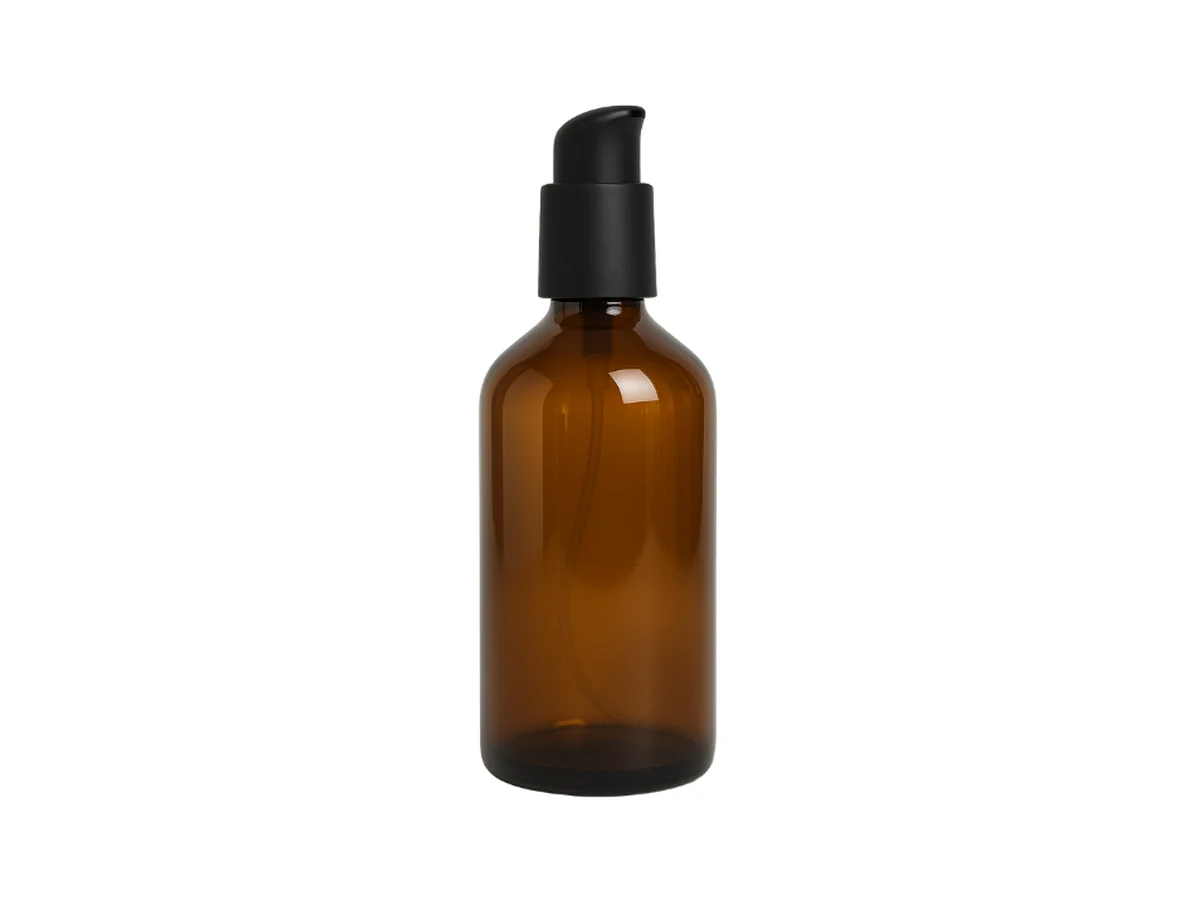
250 ml · Glass · R24
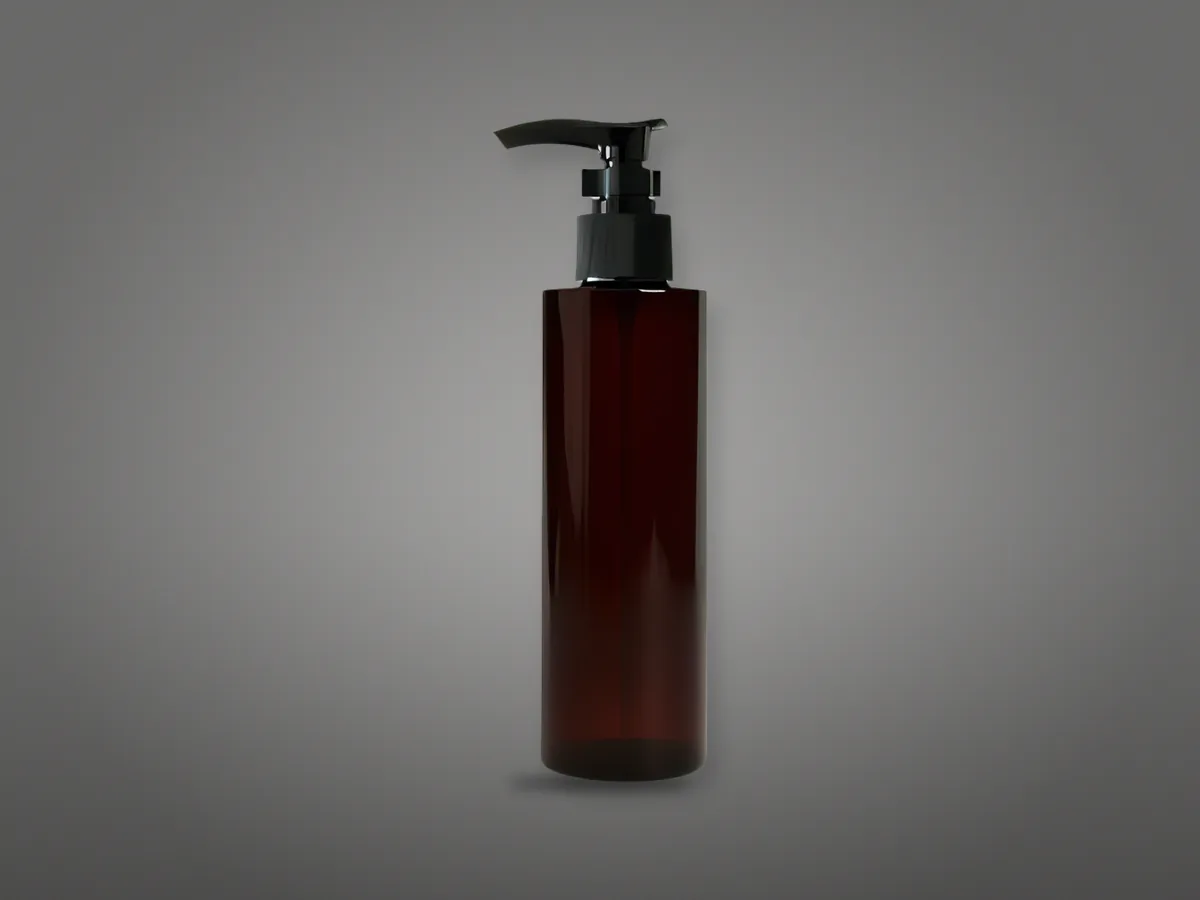
250 ml · Glass · R24
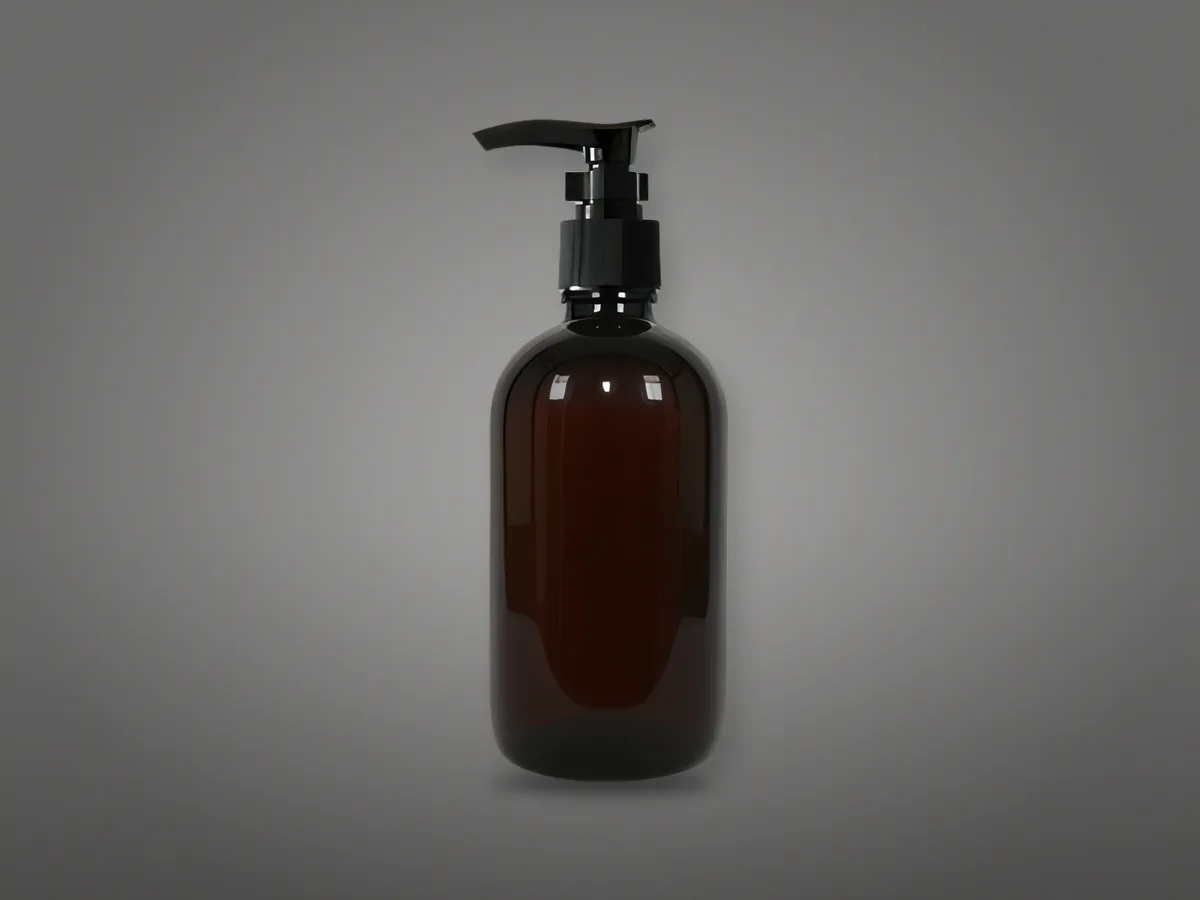
250 ml · Glass · R24
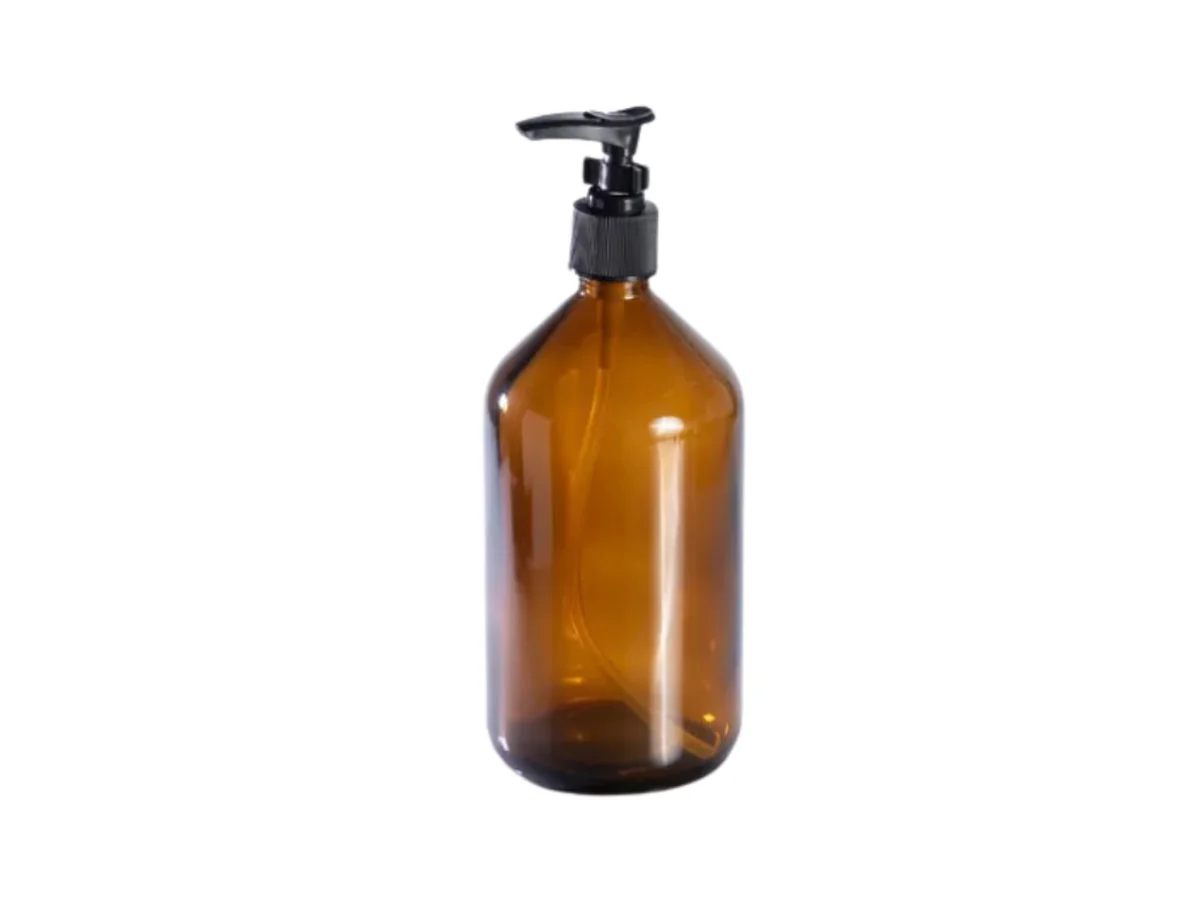
500 ml · Glass · R24
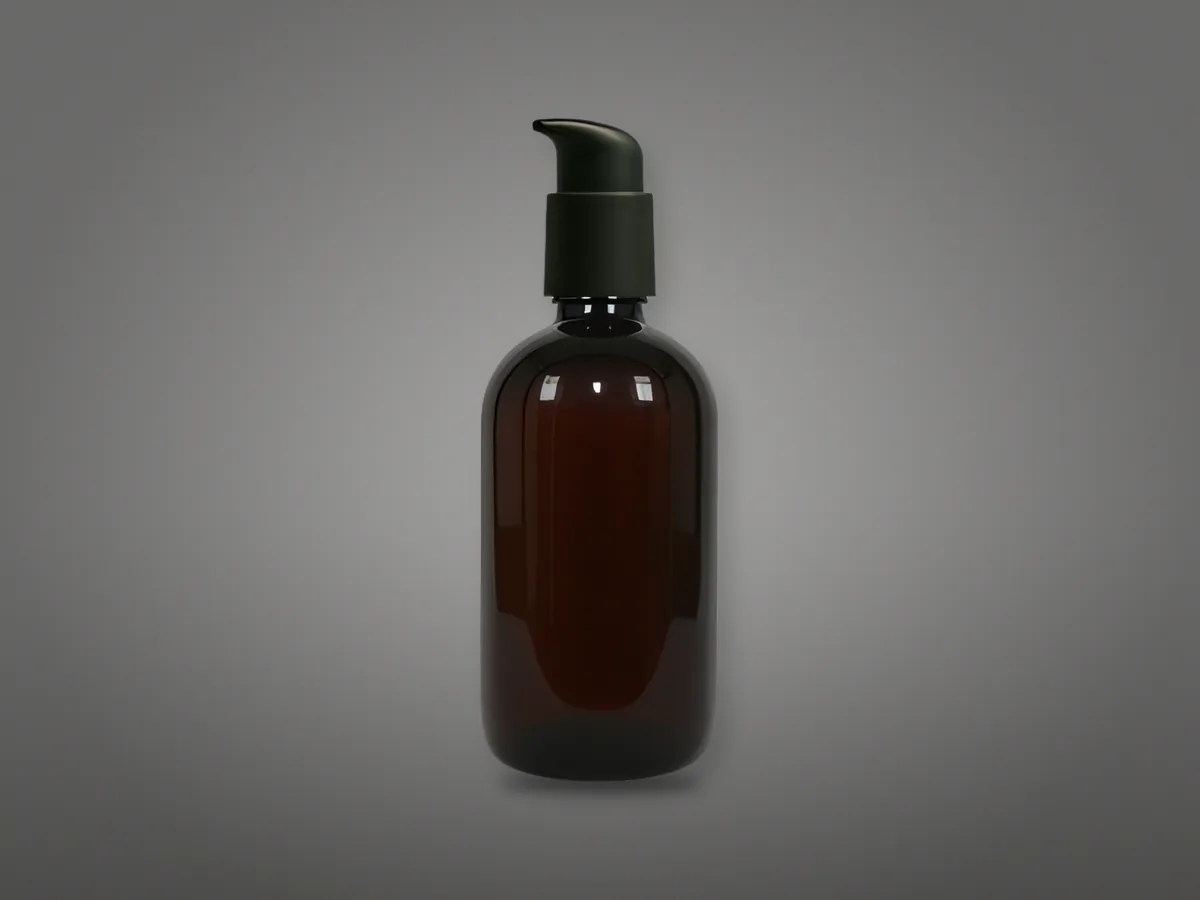
250 ml · Glass · R24
Frequently asked questions
How many ml does a pump deliver per stroke?
It depends on the pump. Treatment pumps, used on serum and facial cream, deliver fractions of a millilitre. Lotion and liquid soap pumps deliver from about 1 ml to a few millilitres. The dose is in the pump specification and should be checked with the real formula, because high viscosity reduces the effective volume per stroke.
Is a locking pump mandatory for e-commerce?
It is not a legal requirement, but it is close to mandatory in practice. Without a lock, the pump can be pressed by the box in transit and leak product inside the secondary pack. The lock can be a twist of the head, a removable clip or a protective overcap. For physical retail, an overcap on the pump is usually enough.
What is the difference between a standard pump and a foam pump?
A standard pump delivers the formula as it is. A foam pump, or foamer, mixes air into the liquid at the outlet and delivers ready-made foam, without needing a strong foaming agent in the formula. It only works with fluid, low-viscosity formulas such as face wash and sanitiser, and uses its own bottle and pump.
Pump or airless: which should I choose?
A standard pump lets air into the bottle at every stroke and uses a tube reaching the bottom; it is cheaper and takes stable, fluid to medium formulas. Airless lets no air in and empties better, protecting actives that oxidise. If the formula is stable, a pump does the job at lower cost. If the active is sensitive, airless.
Other archive categories
Pump bottles
Build your project and get a technical review
Add the packaging that fits your product to your project and tell us what you want to manufacture. The technical team reviews packaging and formula together and replies with feasibility, lead time and next steps.