Archive · over 140 options
Airless bottles for cosmetics
An airless bottle dispenses product without letting air in, using a piston that rises as the content is used. It protects formulas prone to oxidation, such as vitamin C, retinol and natural actives. The archive holds over 140 options, from 0.5 to 250 ml, and the most common size is 30 ml.
Airless solves two problems at once: it preserves the active and it recovers almost all of the content, with far less residue than a standard jar. Unit cost is higher and the system will not take very thick formulas, because the piston has to overcome viscosity. It is the default choice for skincare with an unstable active.
Quick facts
- Options in the archive
- Over 140
- Volume range
- 0.5 to 250 ml
- Most frequent materials
- Polyethylene (PE / HDPE / LDPE) · Polypropylene (PP) · Acrylic / AS / ABS
How to choose
Validate viscosity first: airless works from fluid to medium cream, and a very thick formula will not rise. Set the dose per stroke by use, smaller for serum and eye area, larger for body cream. Choose the material by formula and look, with PP and PE as the base and acrylic or AS for a premium effect, and consider refillable models. Agree filling with the factory, because airless has to be filled with minimal air and primed before it dispenses.
Development lines that use this packaging
Search and filter
Search by type, volume, neck finish or material. E.g.: · · ·
All options
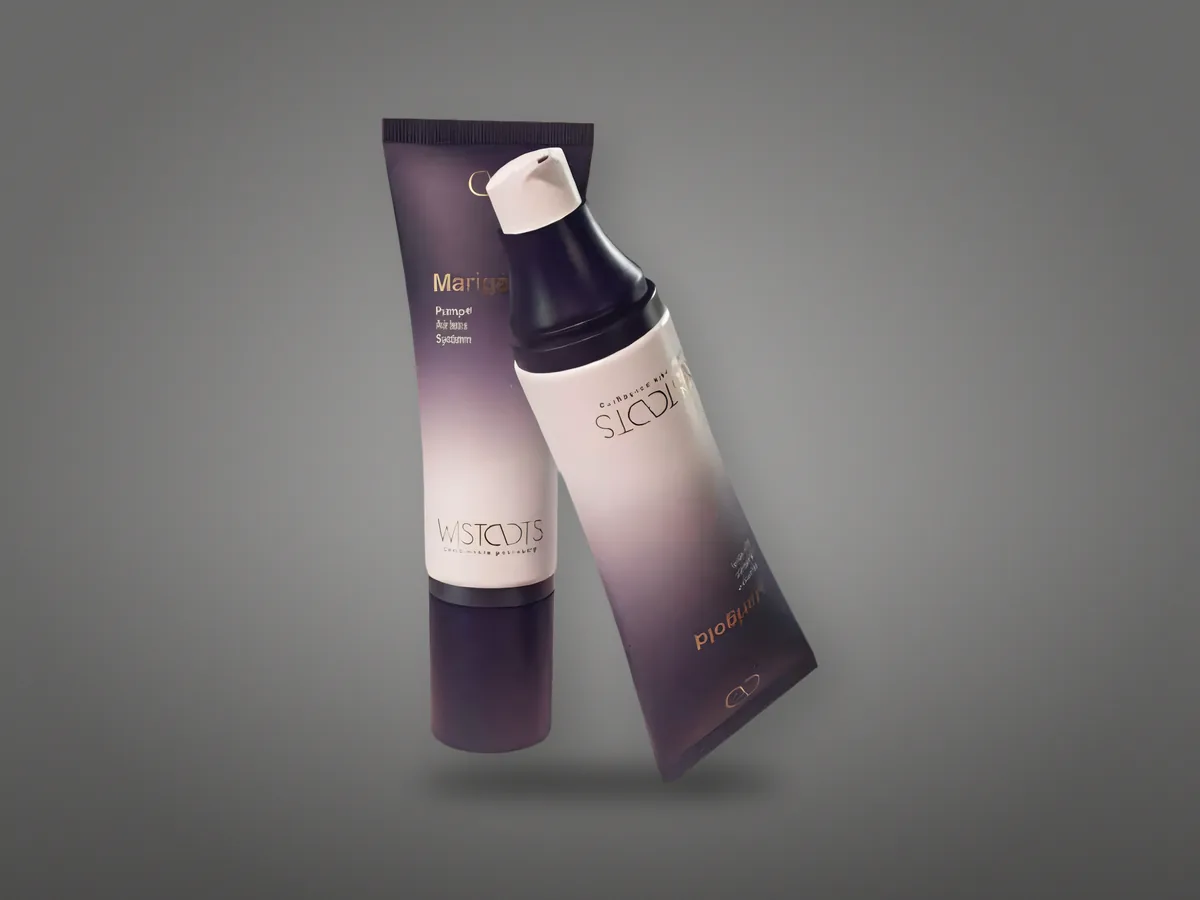
120 ml · PE
25 ml · PE
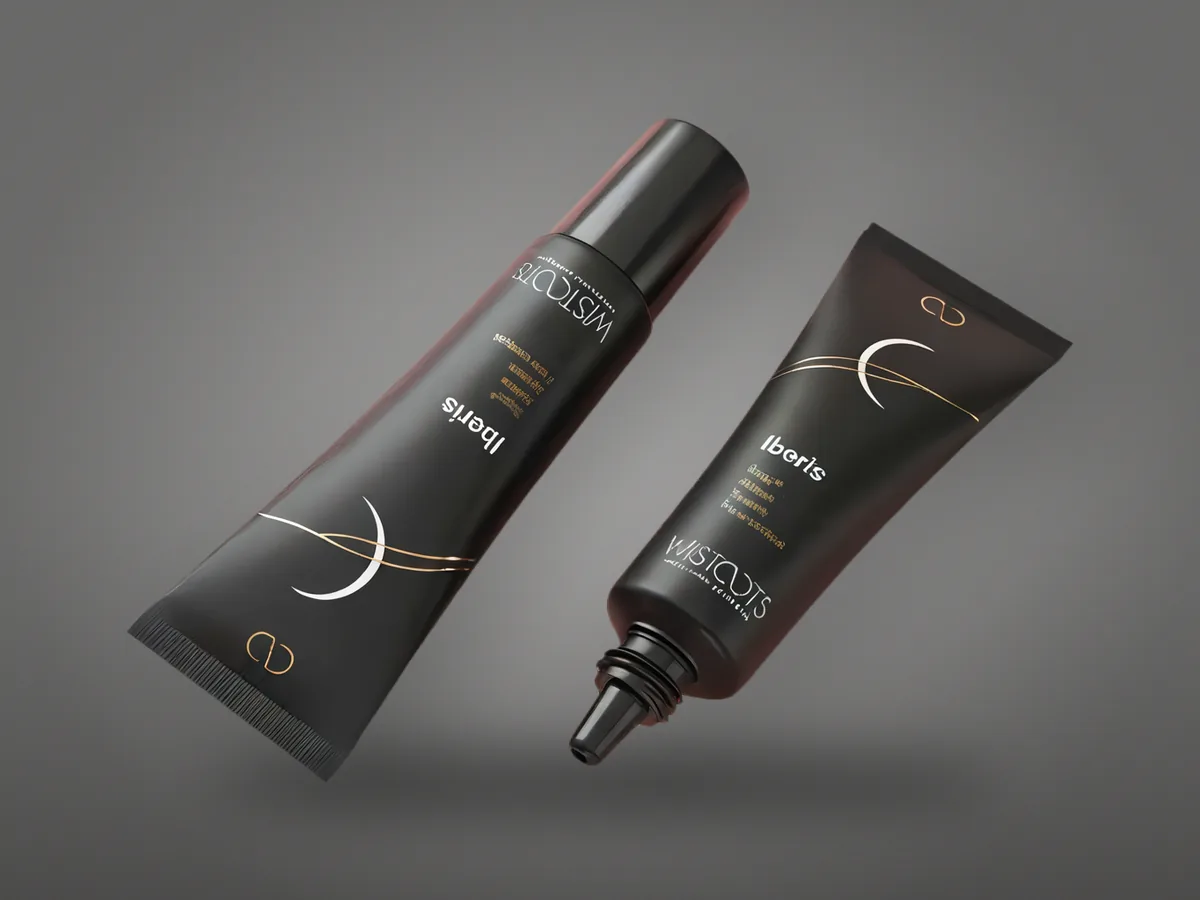
25 ml · PE
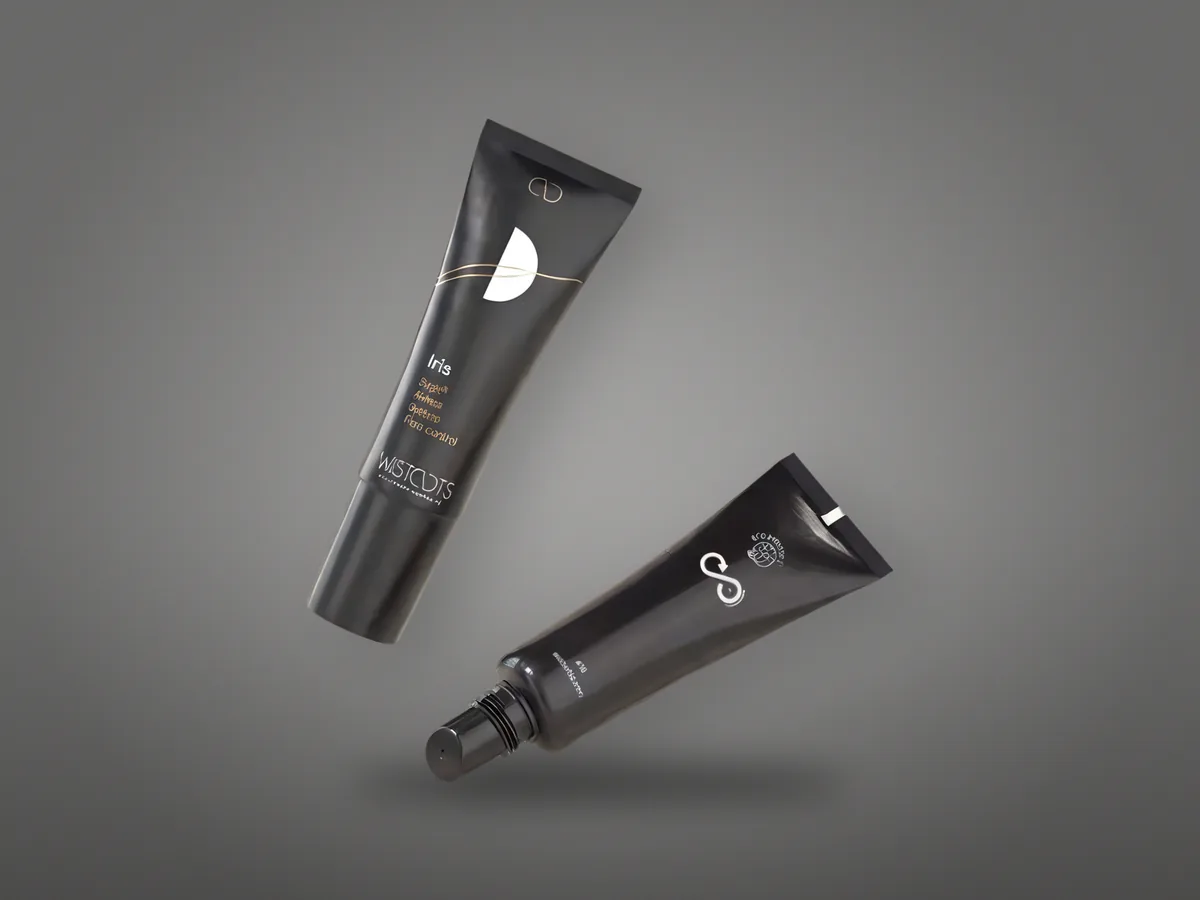
25 ml · PE
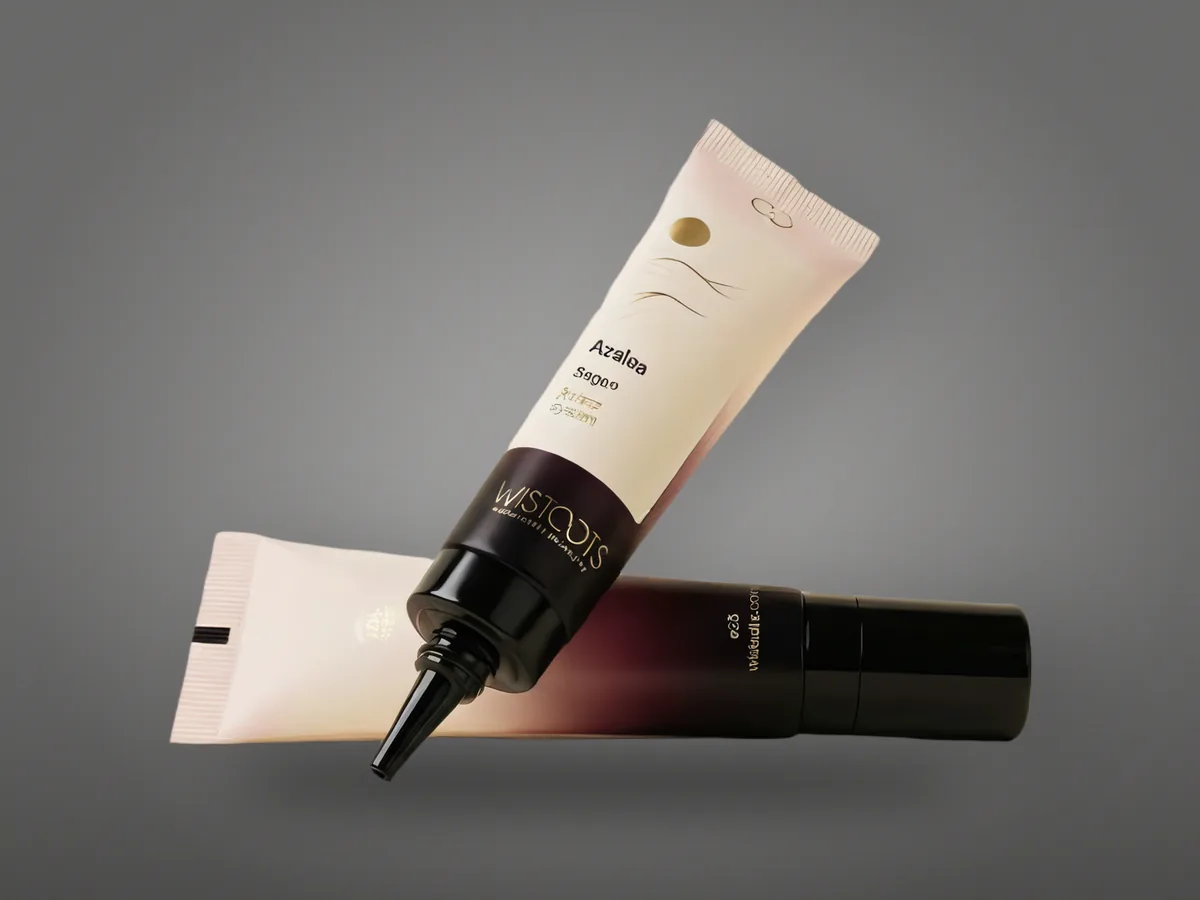
55 ml · PE
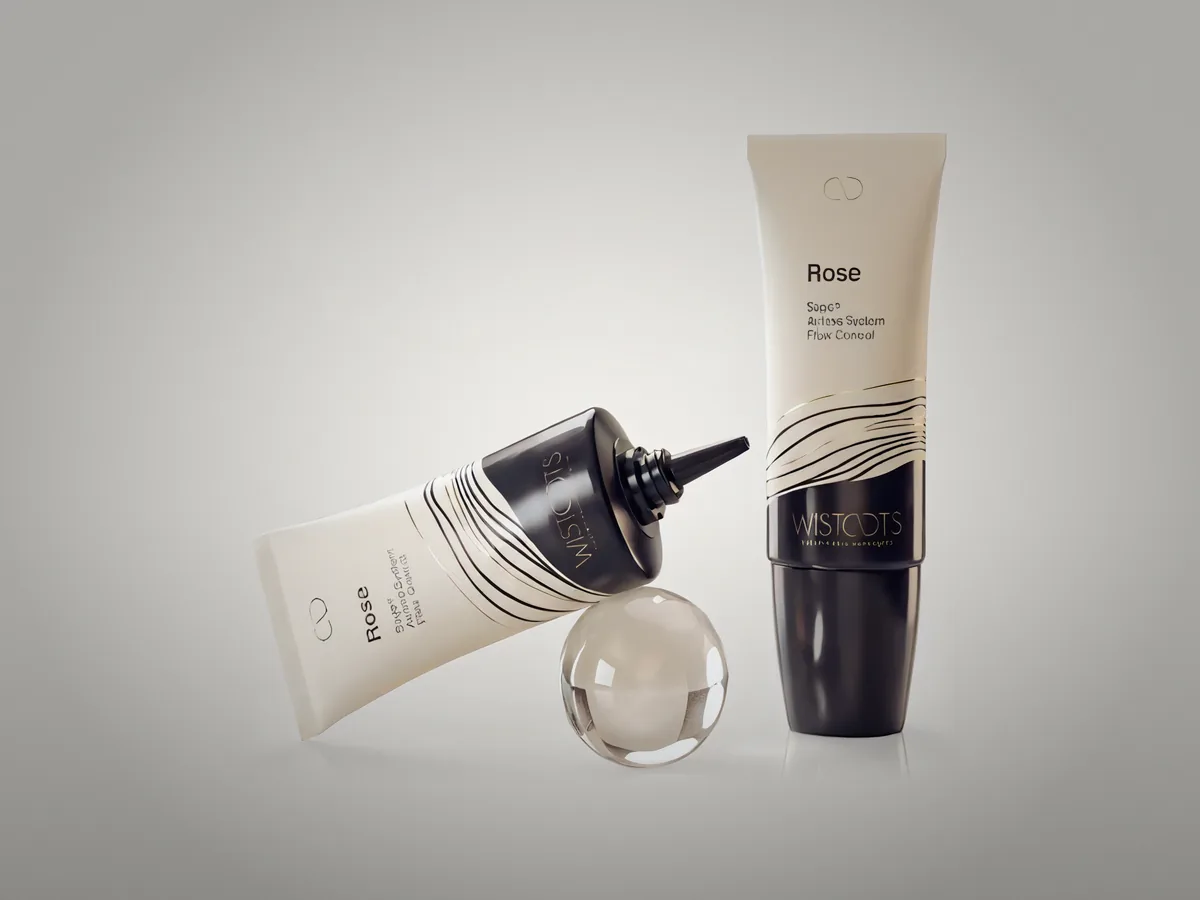
75 ml · PE
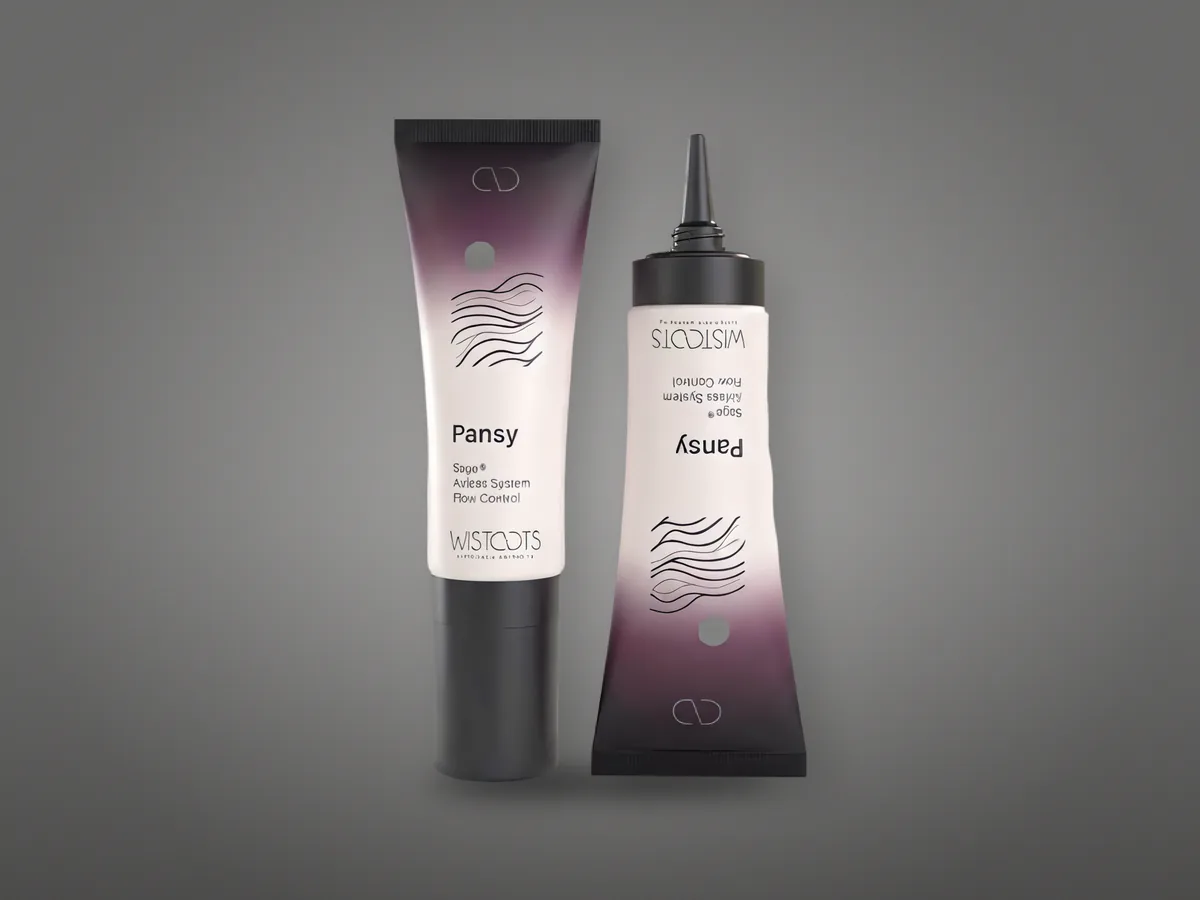
75 ml · PE
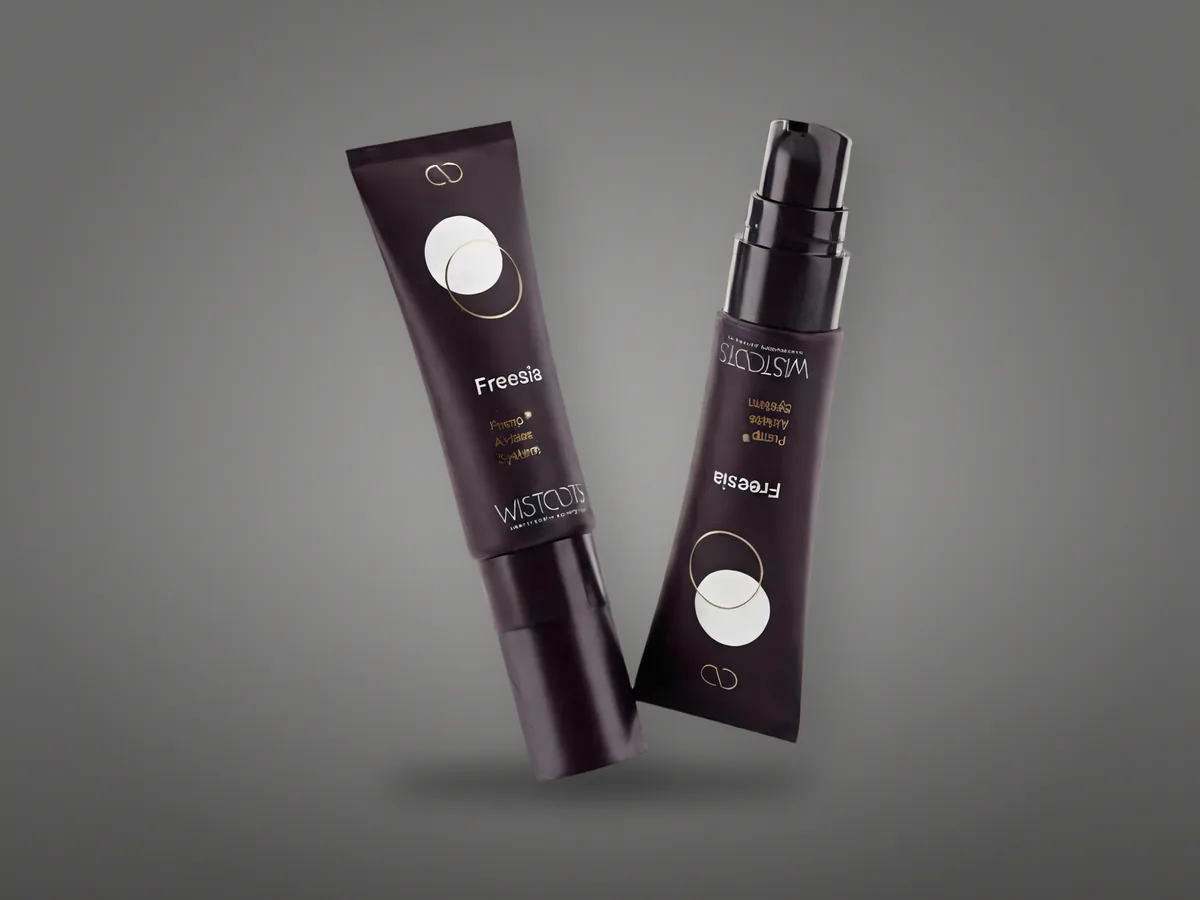
25 ml · PE
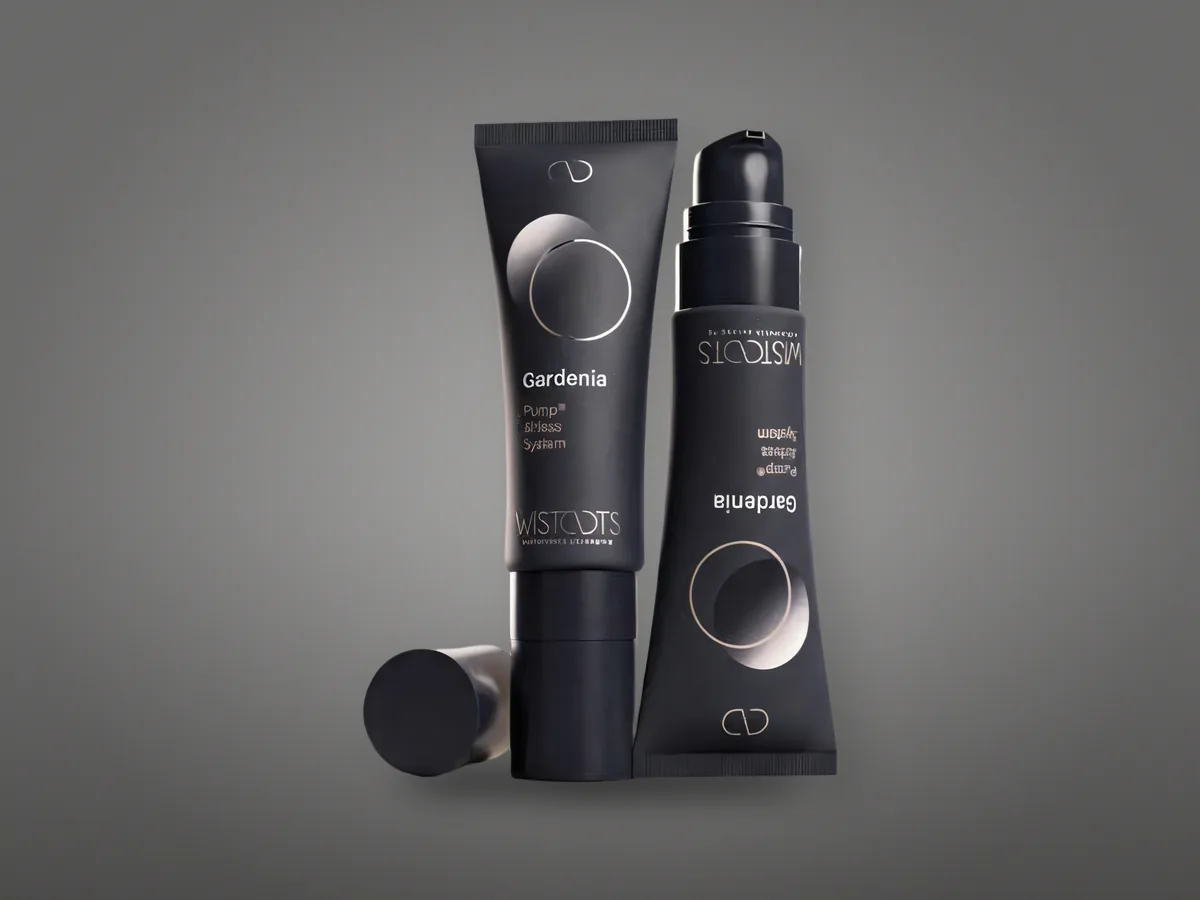
55 ml · PE
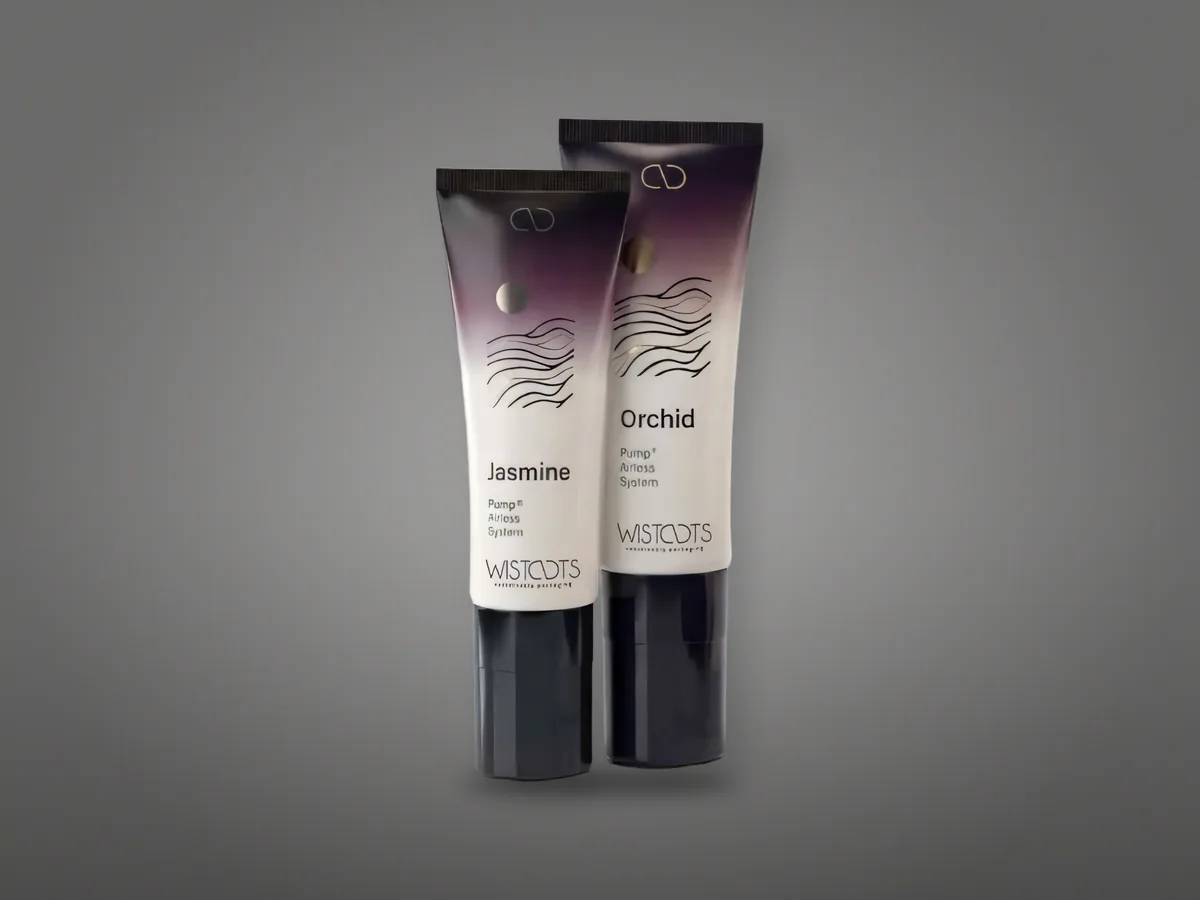
75 ml · PE
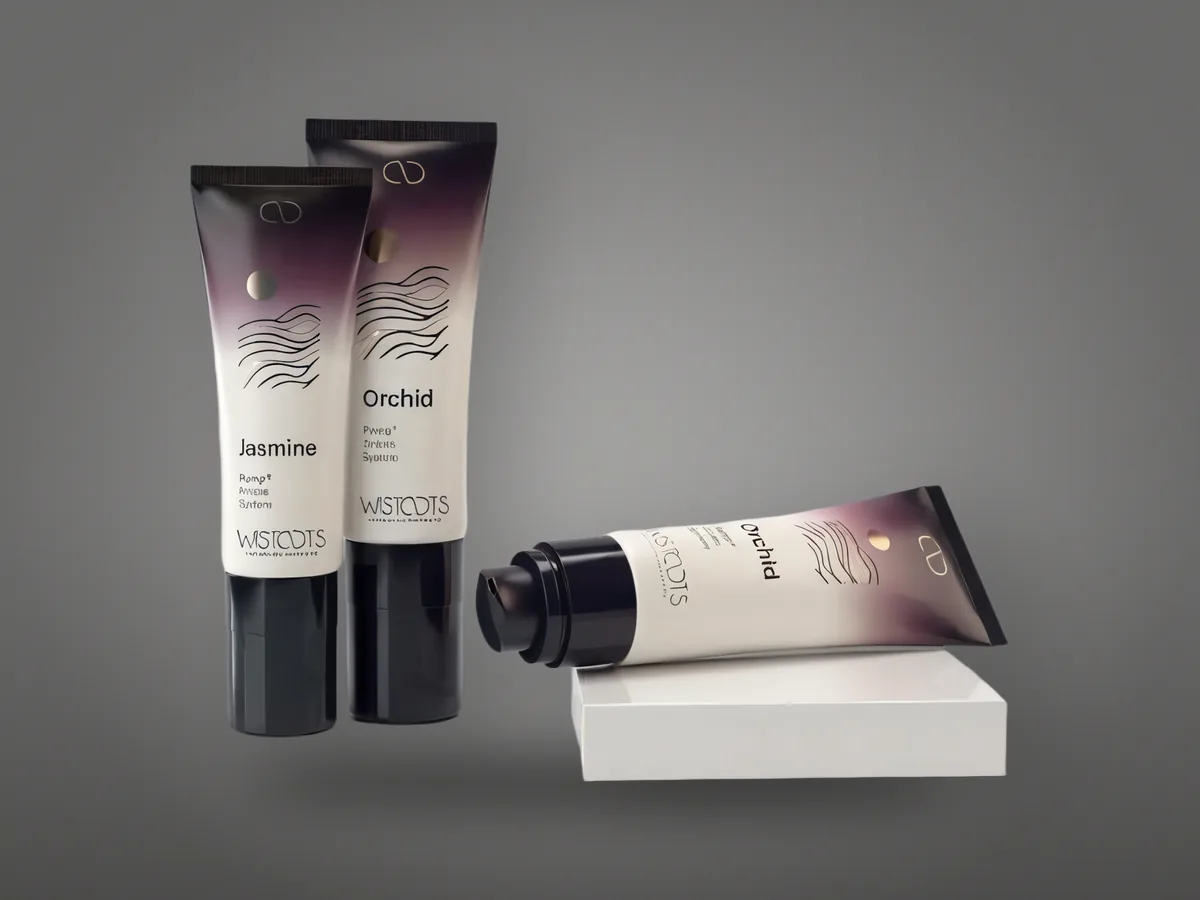
75 ml · PE
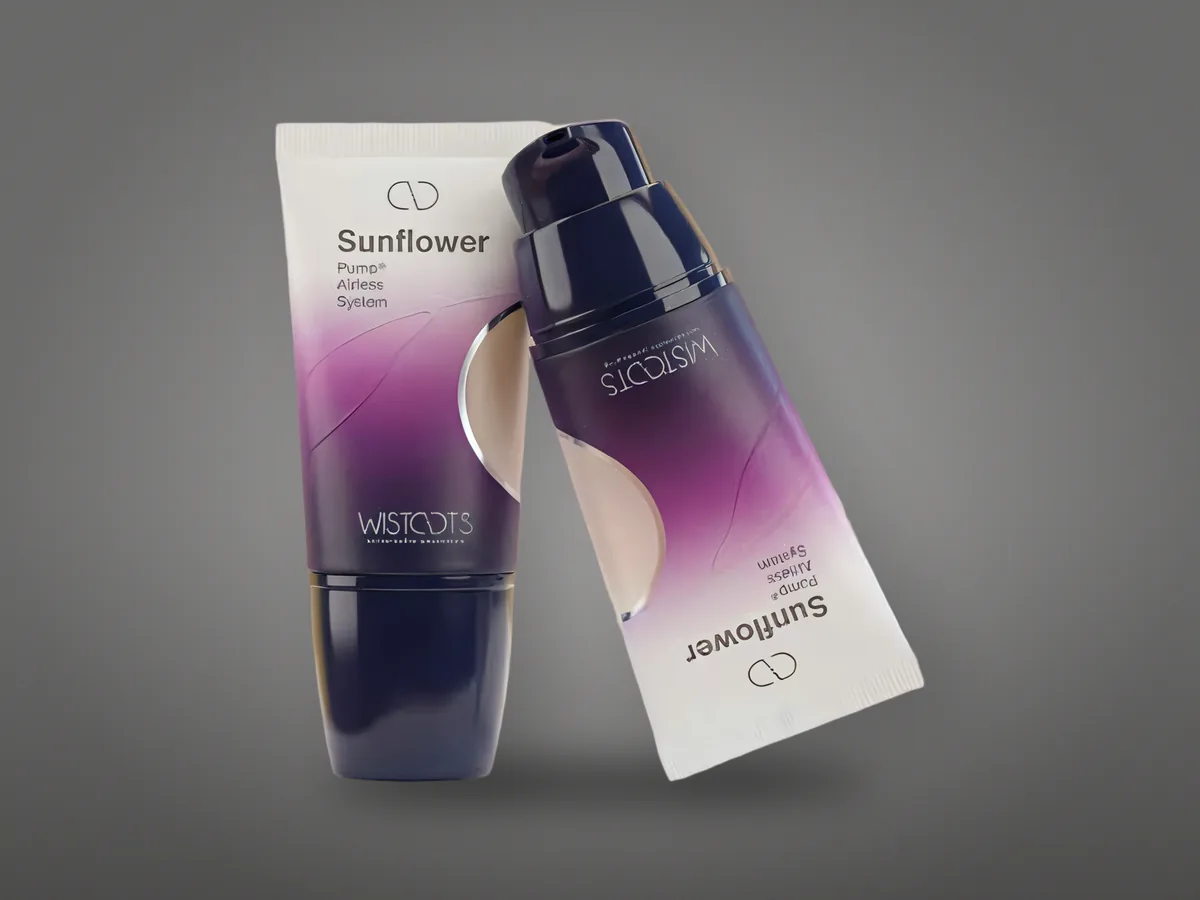
120 ml · PE
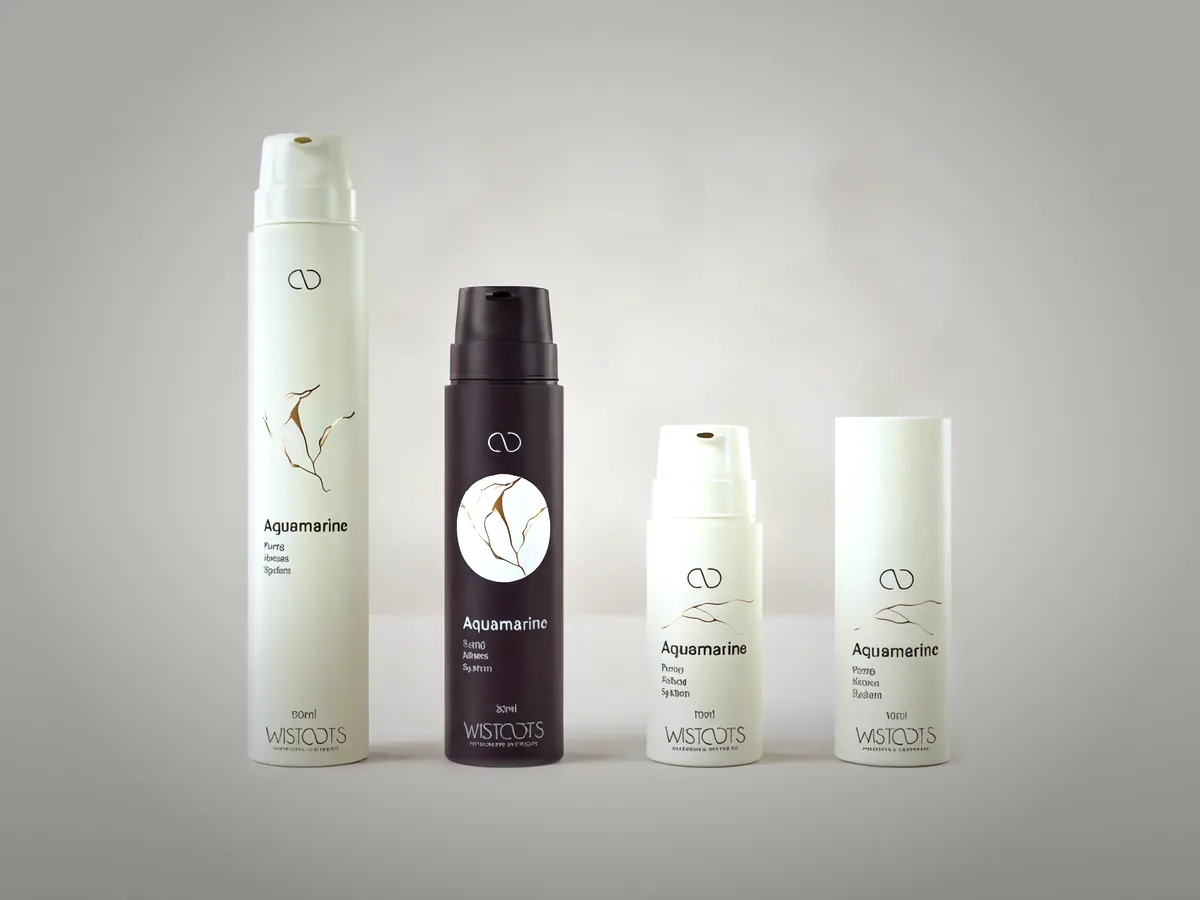
15 ml · PE
30 ml · PE
50 ml · PE
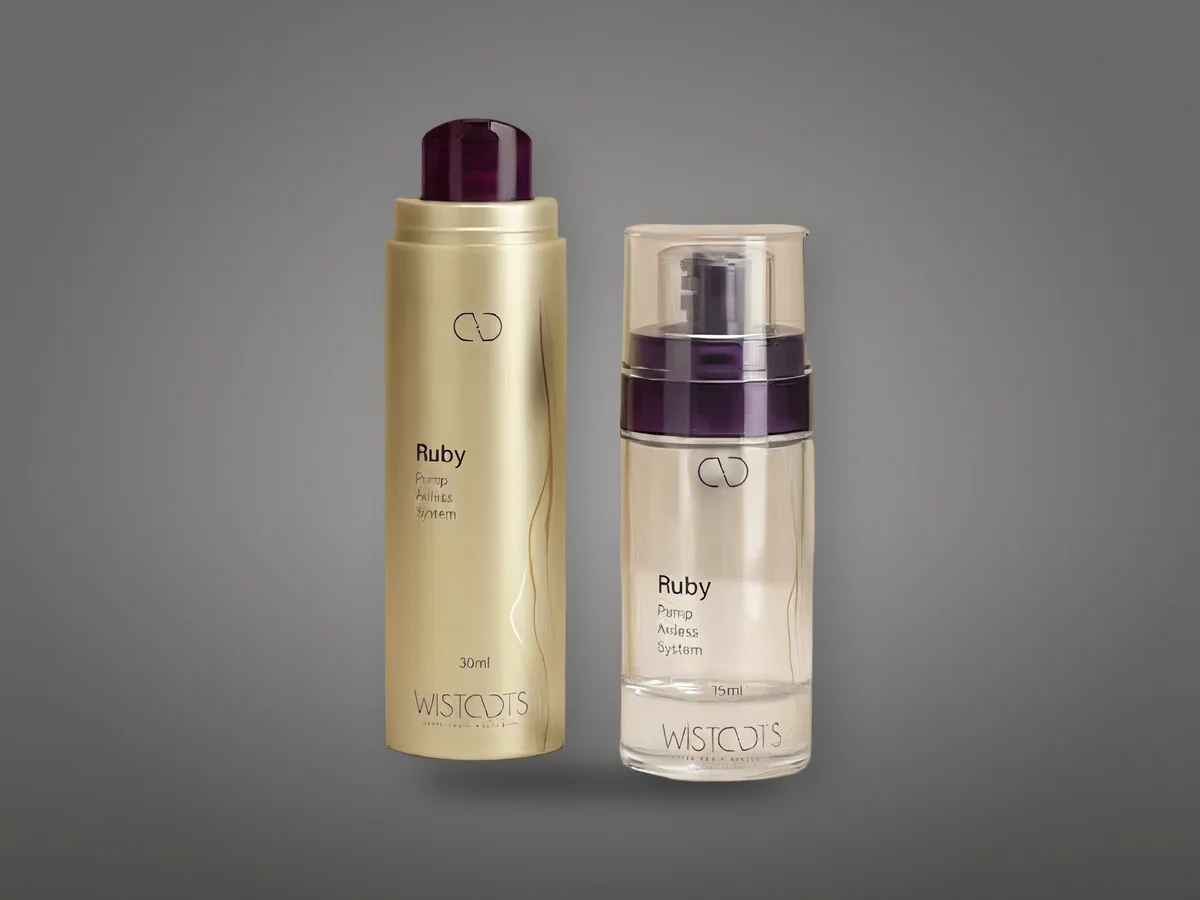
15 ml · PP
30 ml · PP
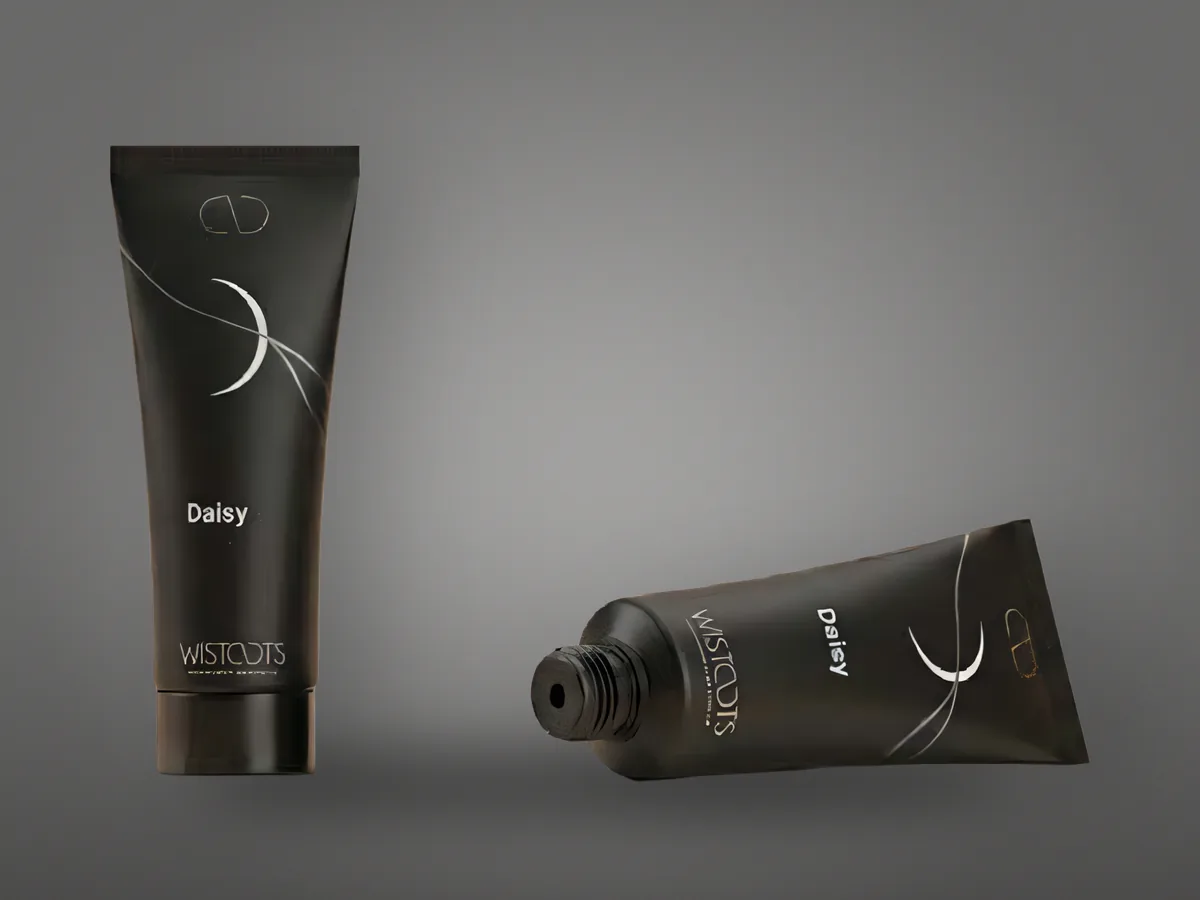
25 ml · PE
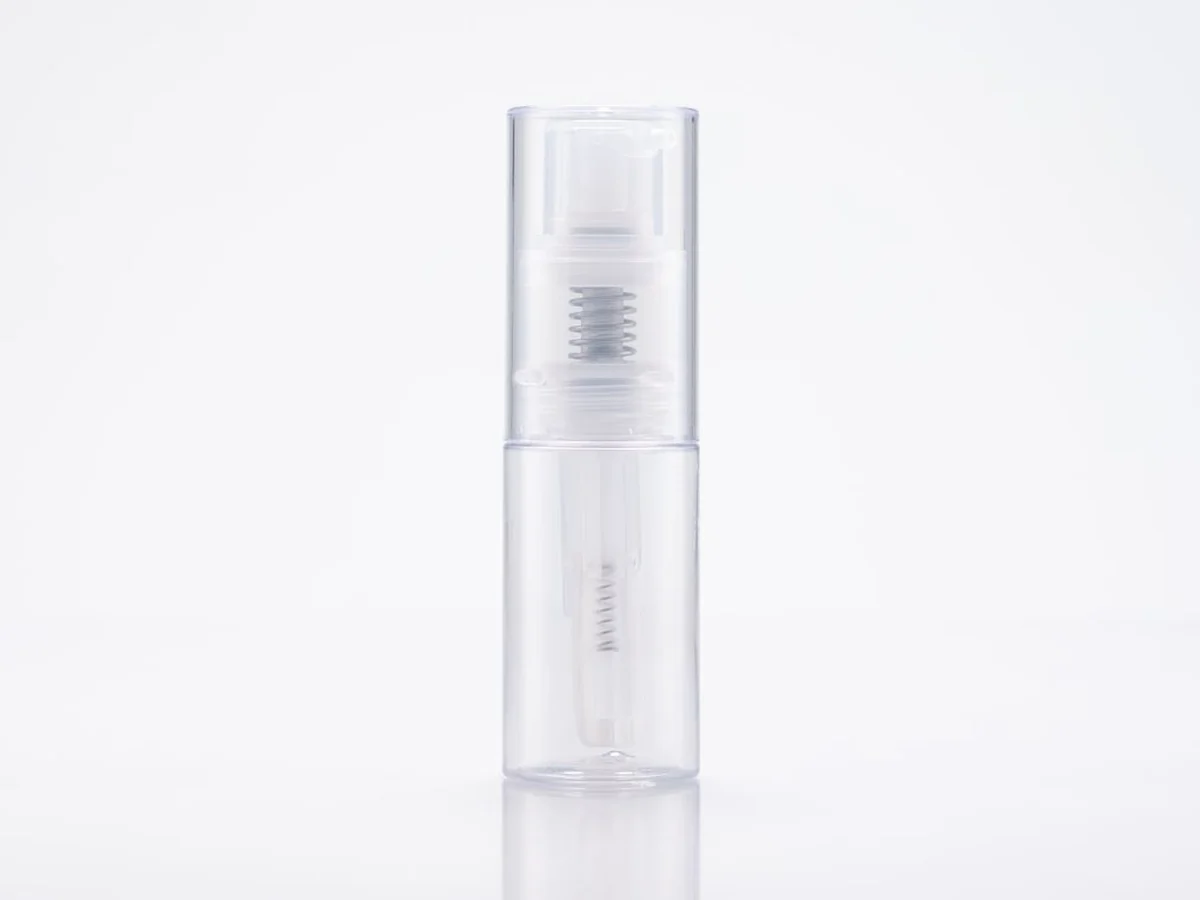
35 g
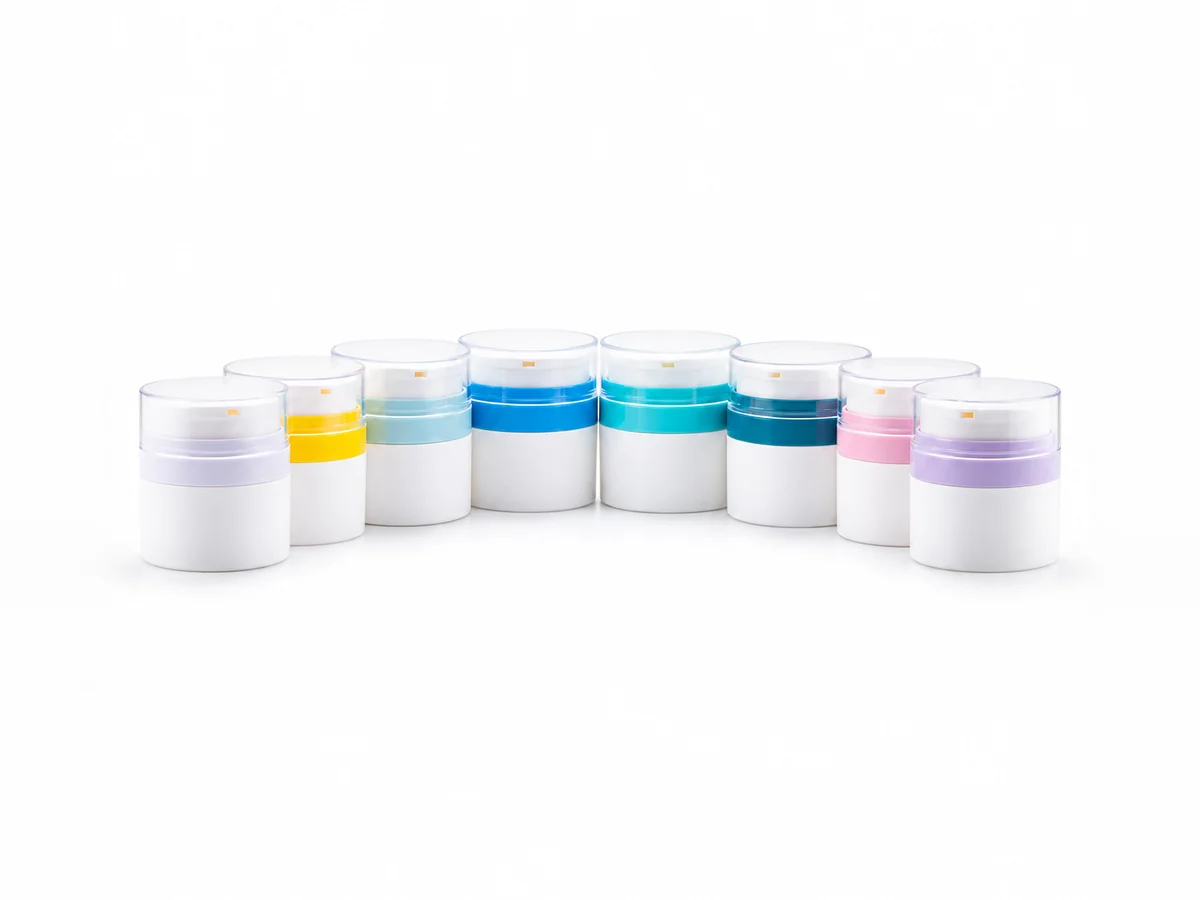
30 g
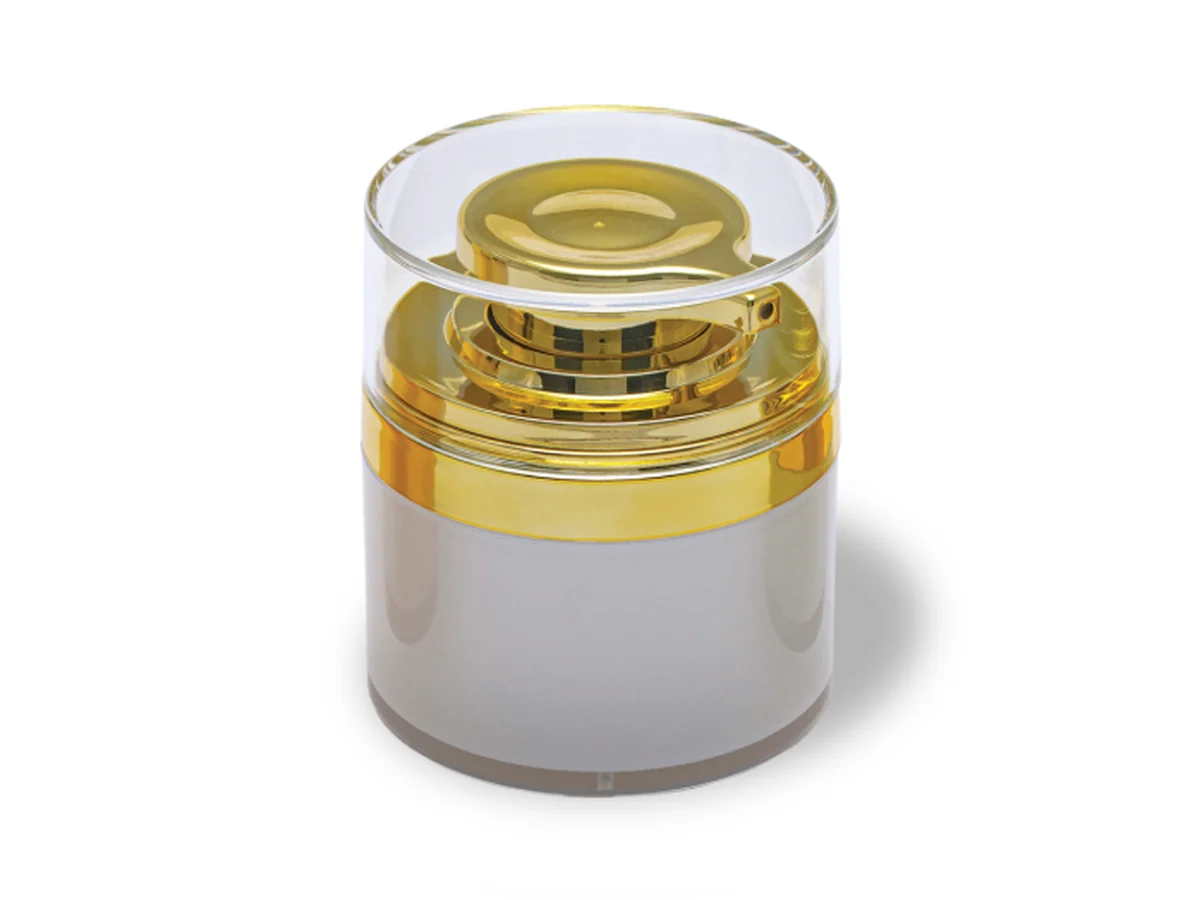
50 ml
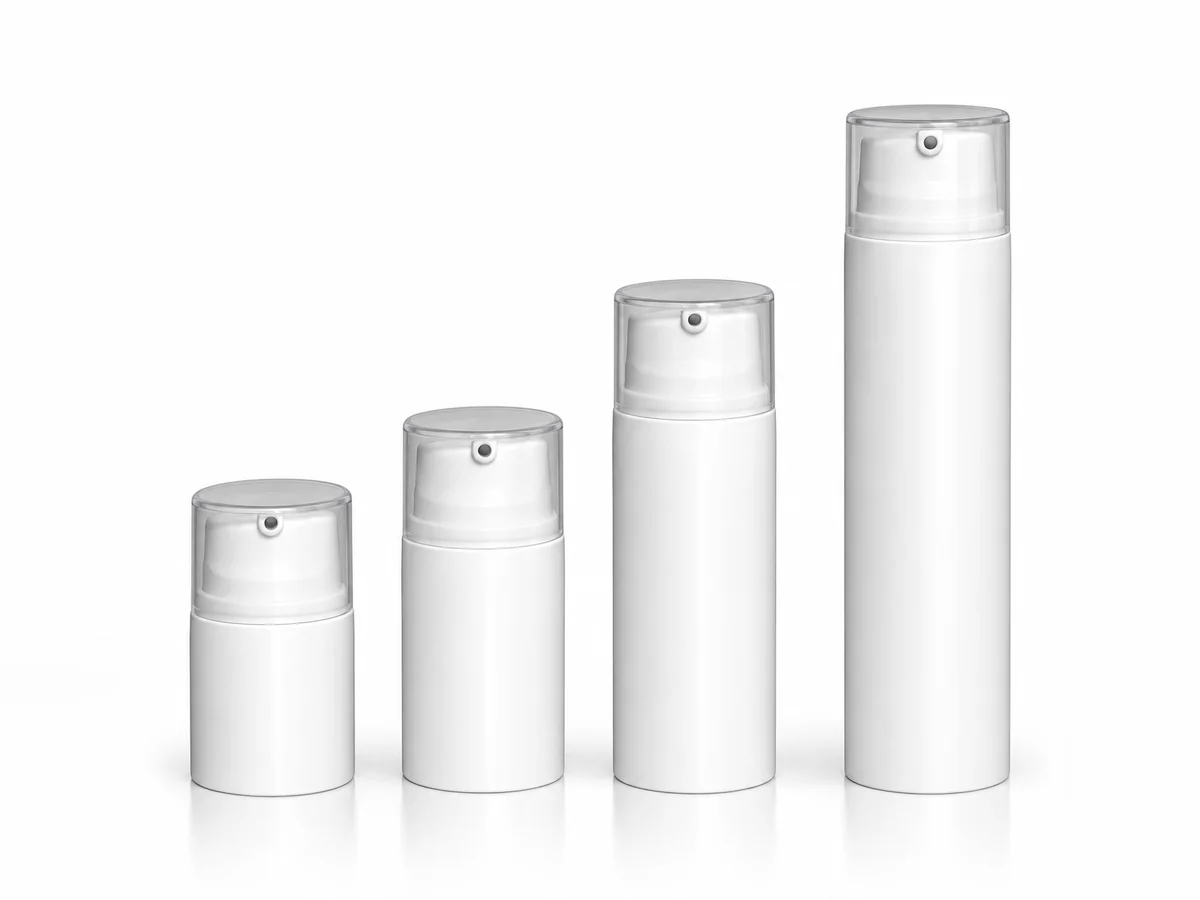
0.5 ml
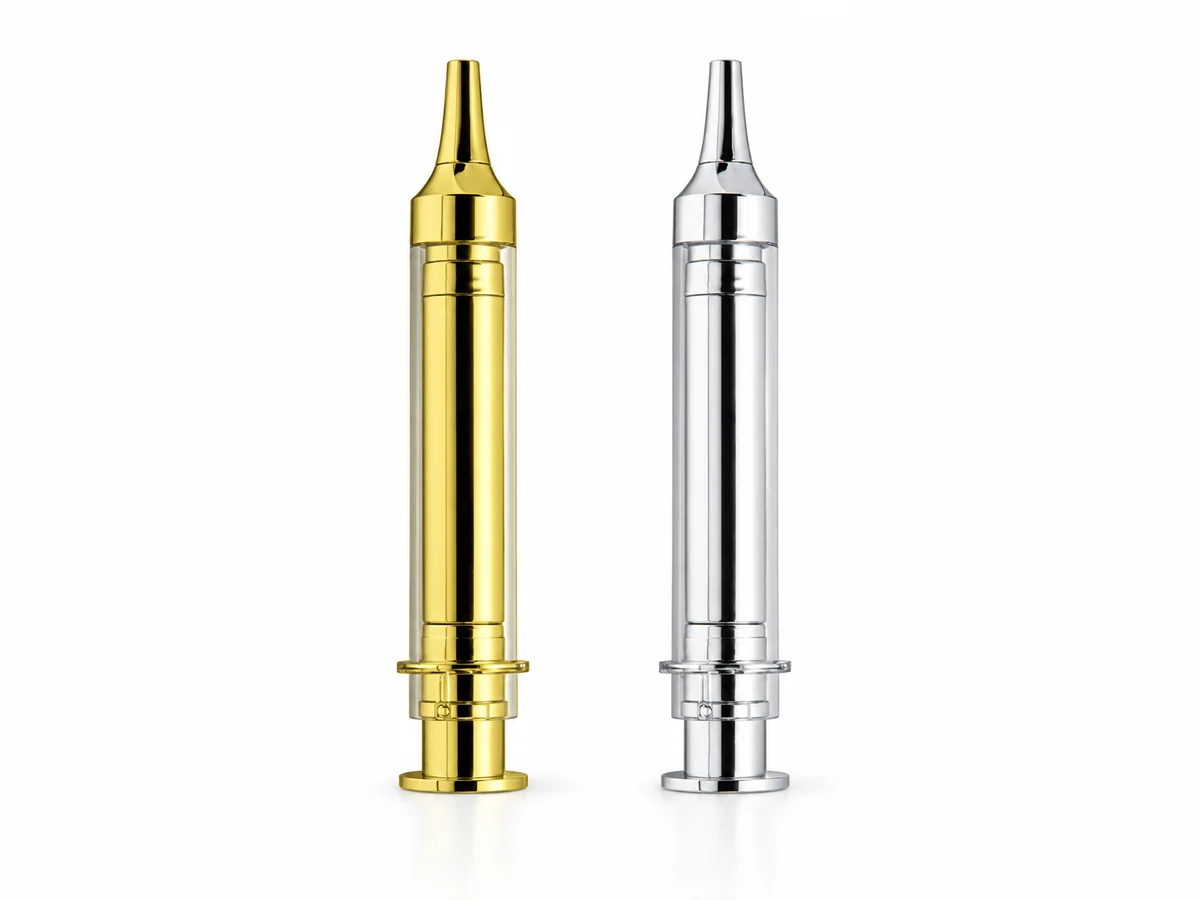
10 ml
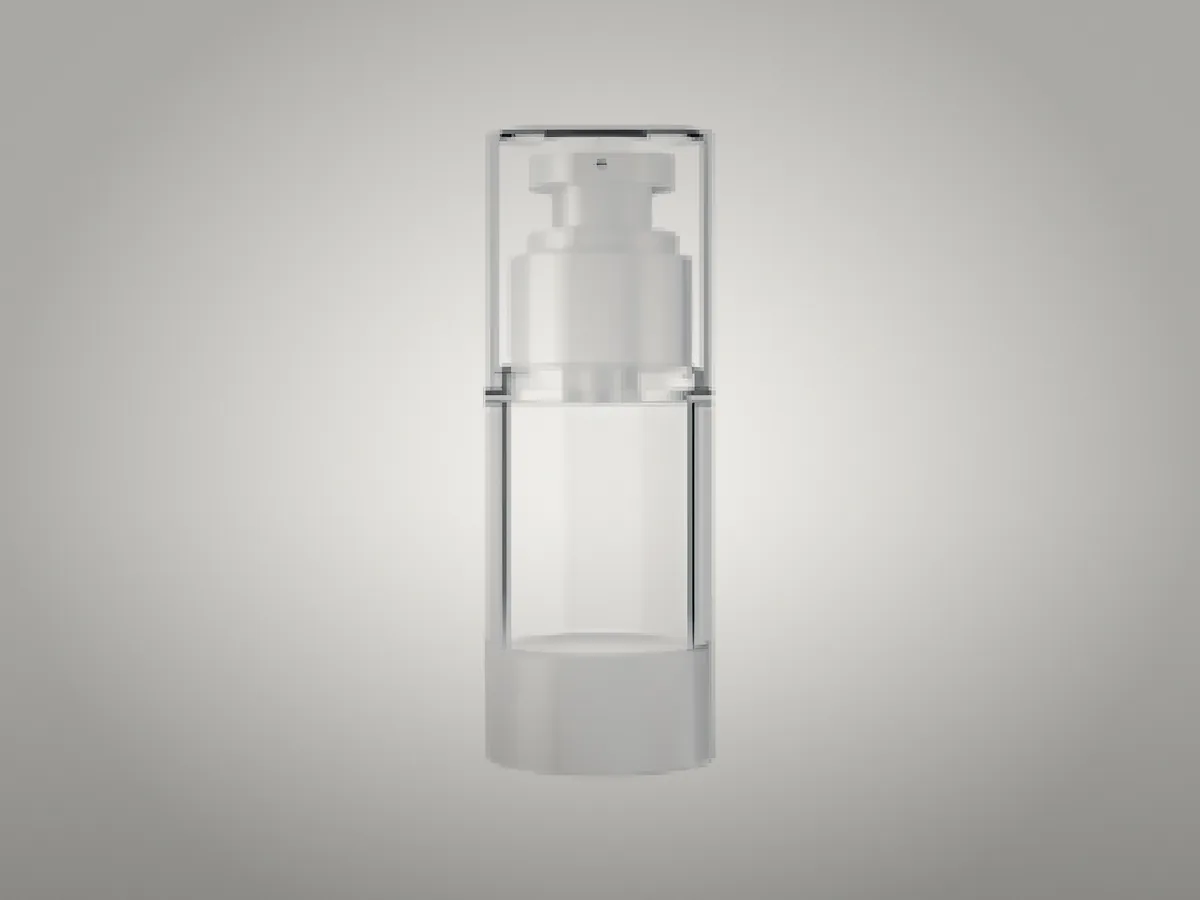
15 ml
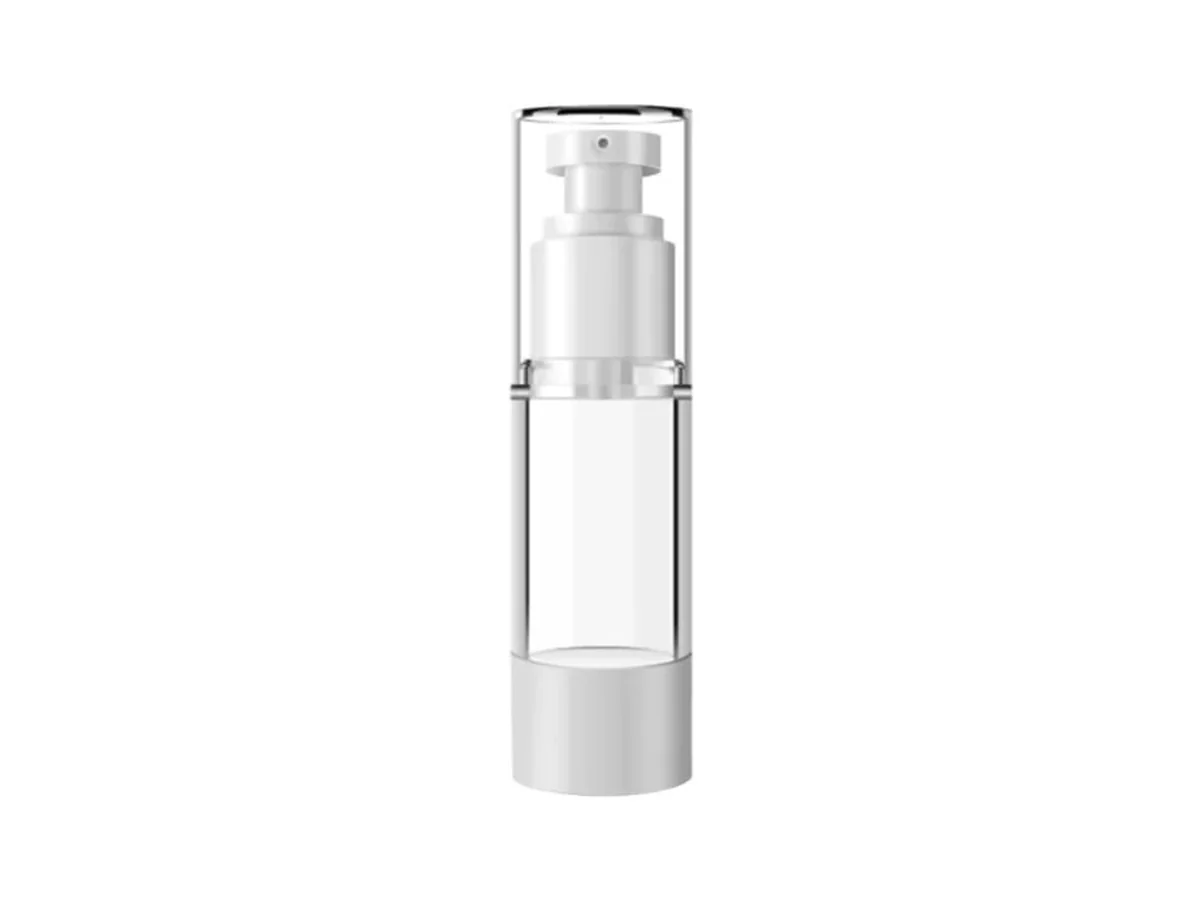
30 ml
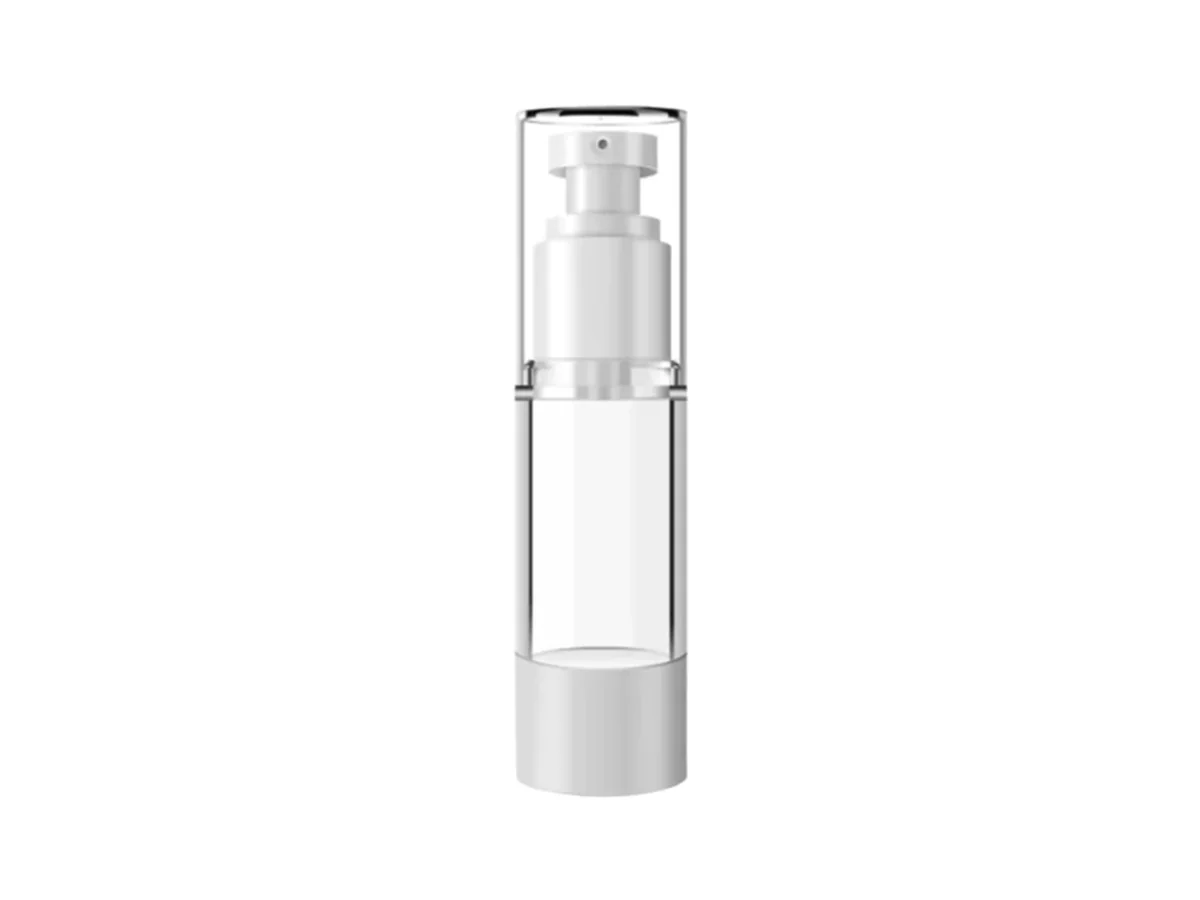
50 ml
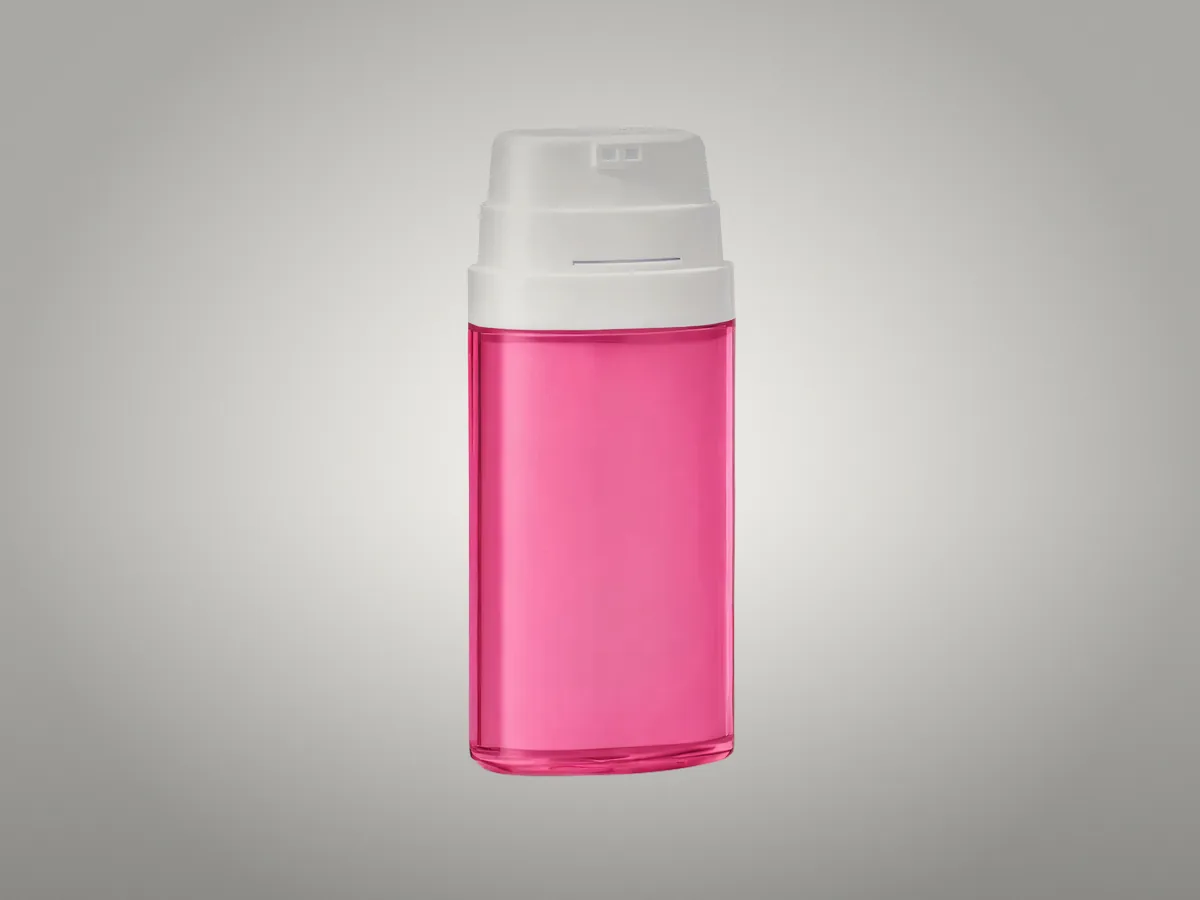
30 ml · AS/ABS/PP
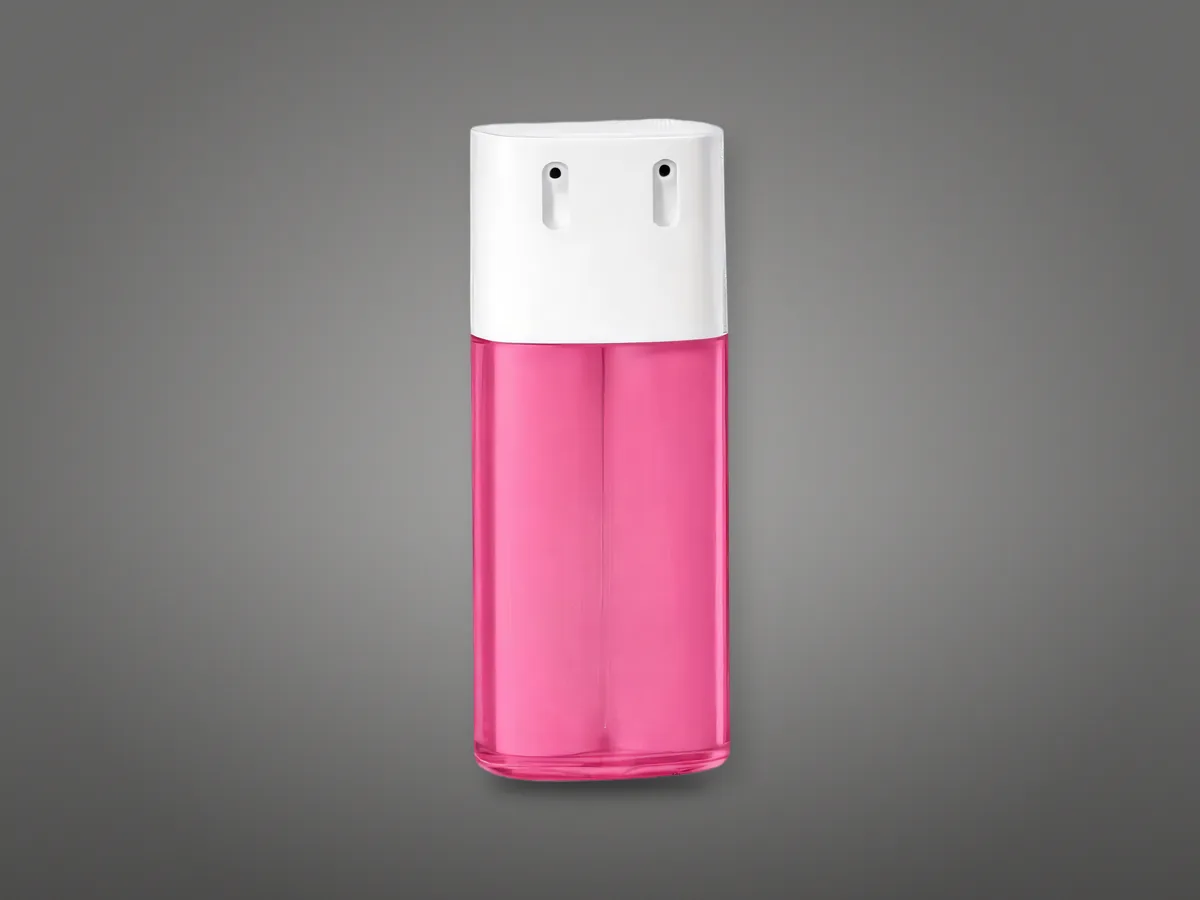
50 ml · AS/ABS/PP
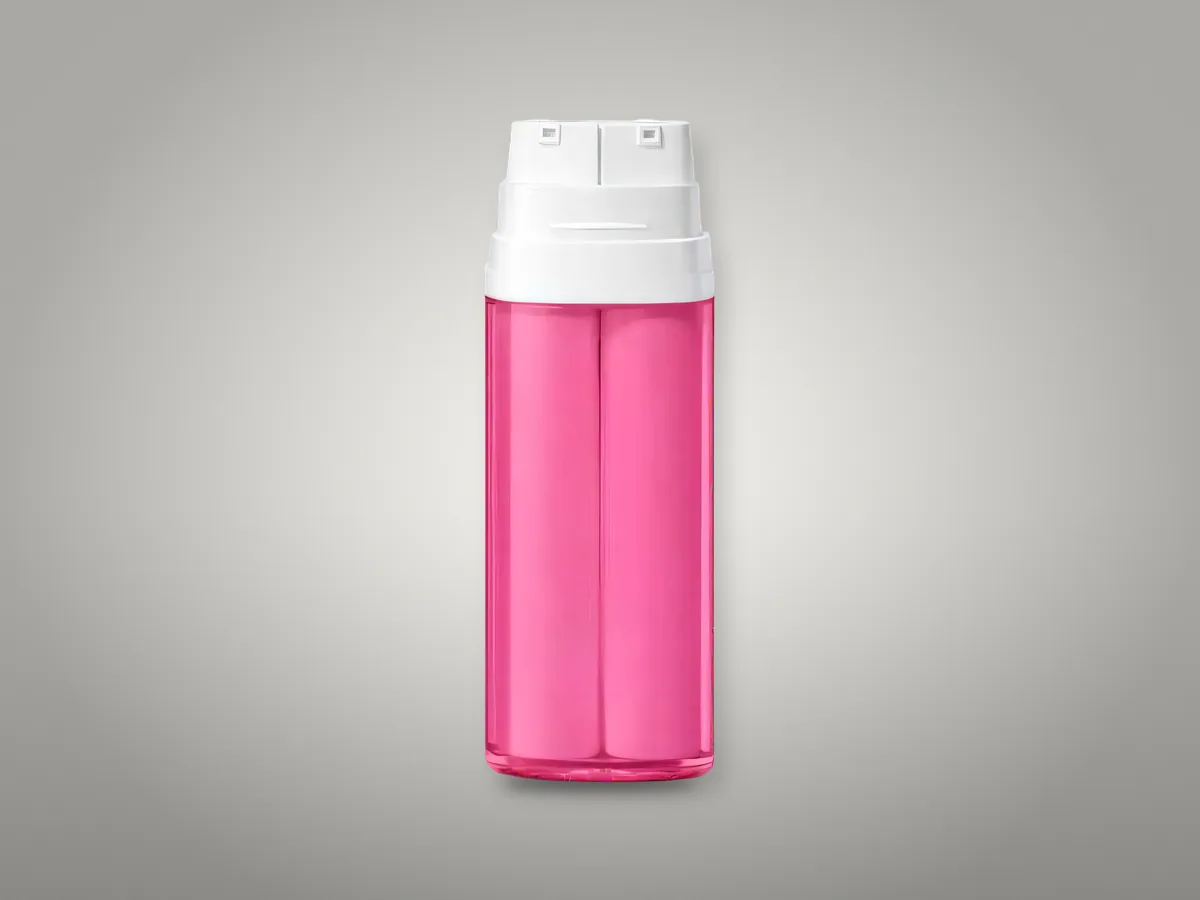
100 ml · AS/ABS/PP
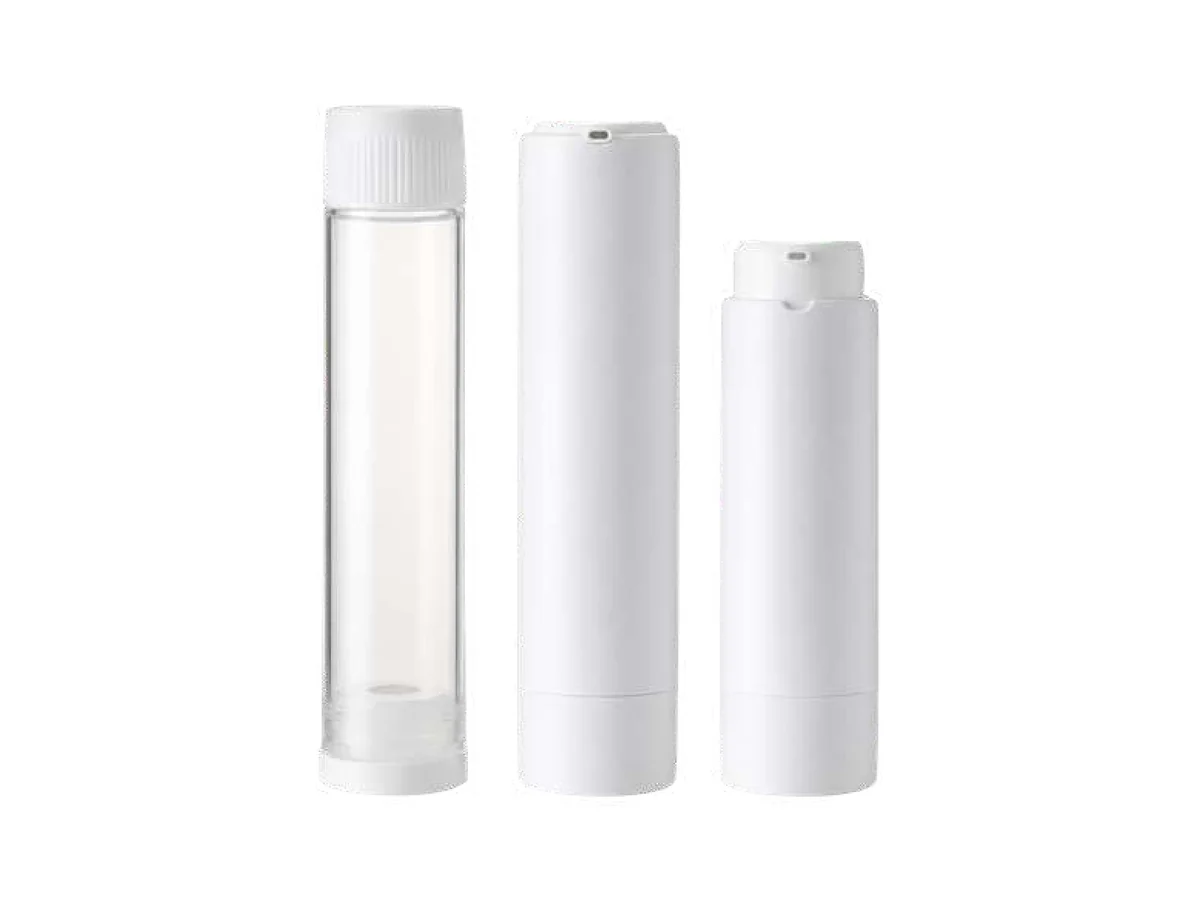
30 ml · PP
50 ml · PP
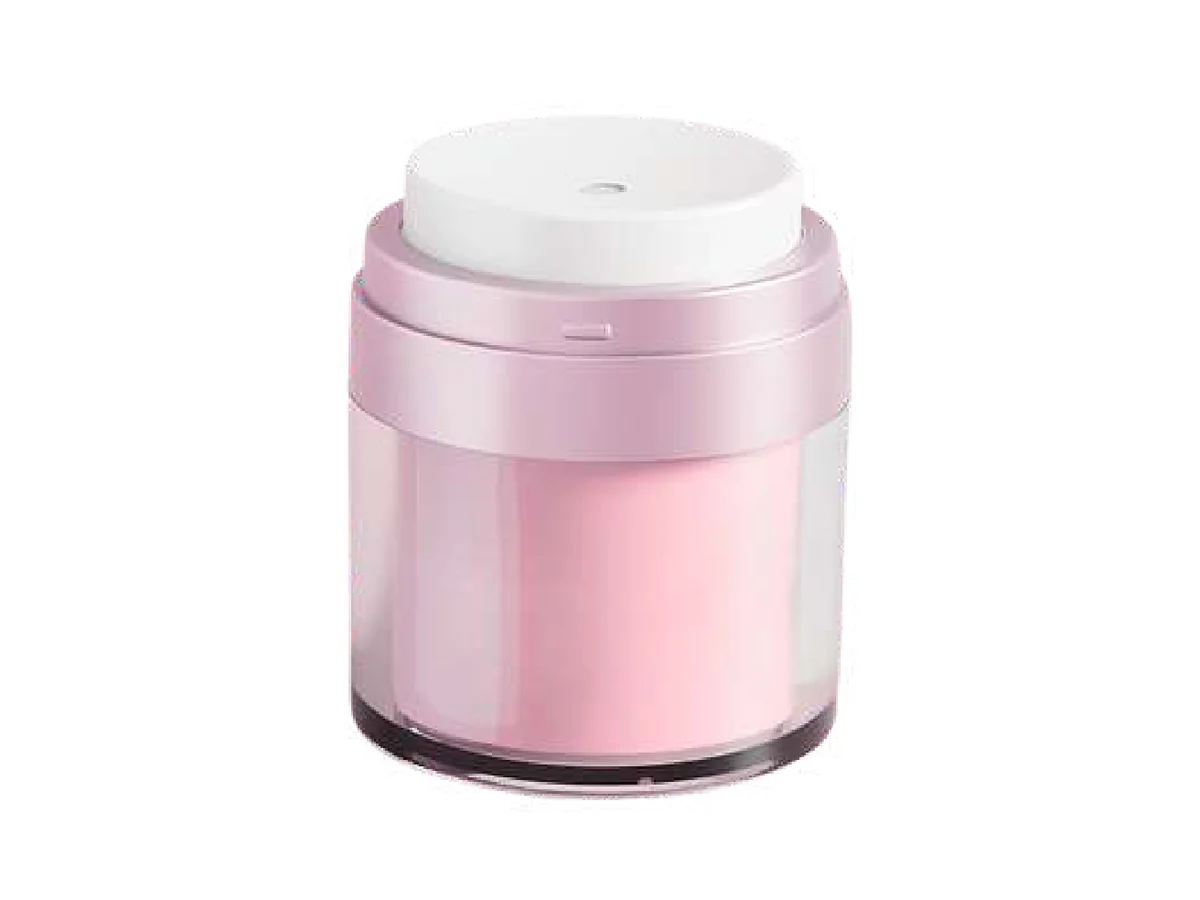
15 ml · PP
30 ml · PP
50 ml · PP
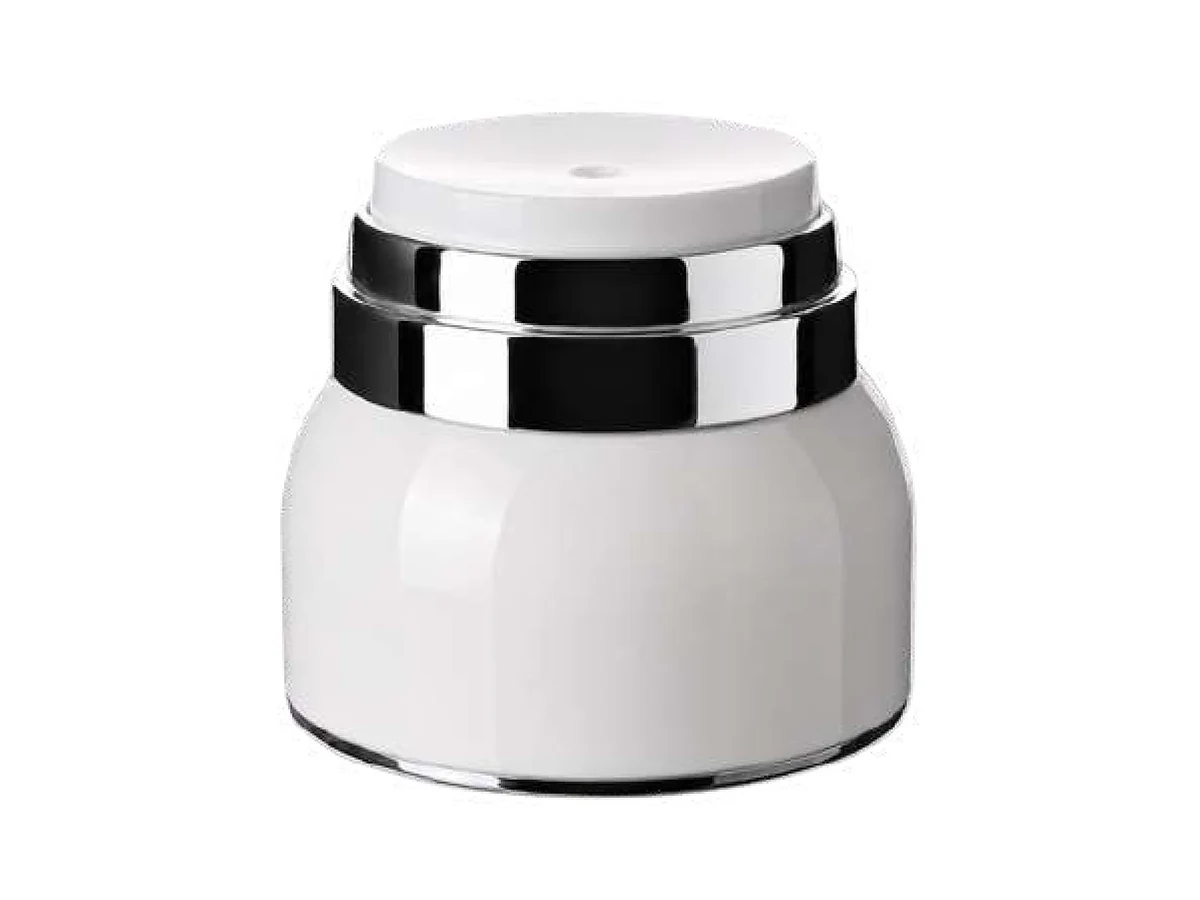
30 ml · HDPE
50 ml · HDPE
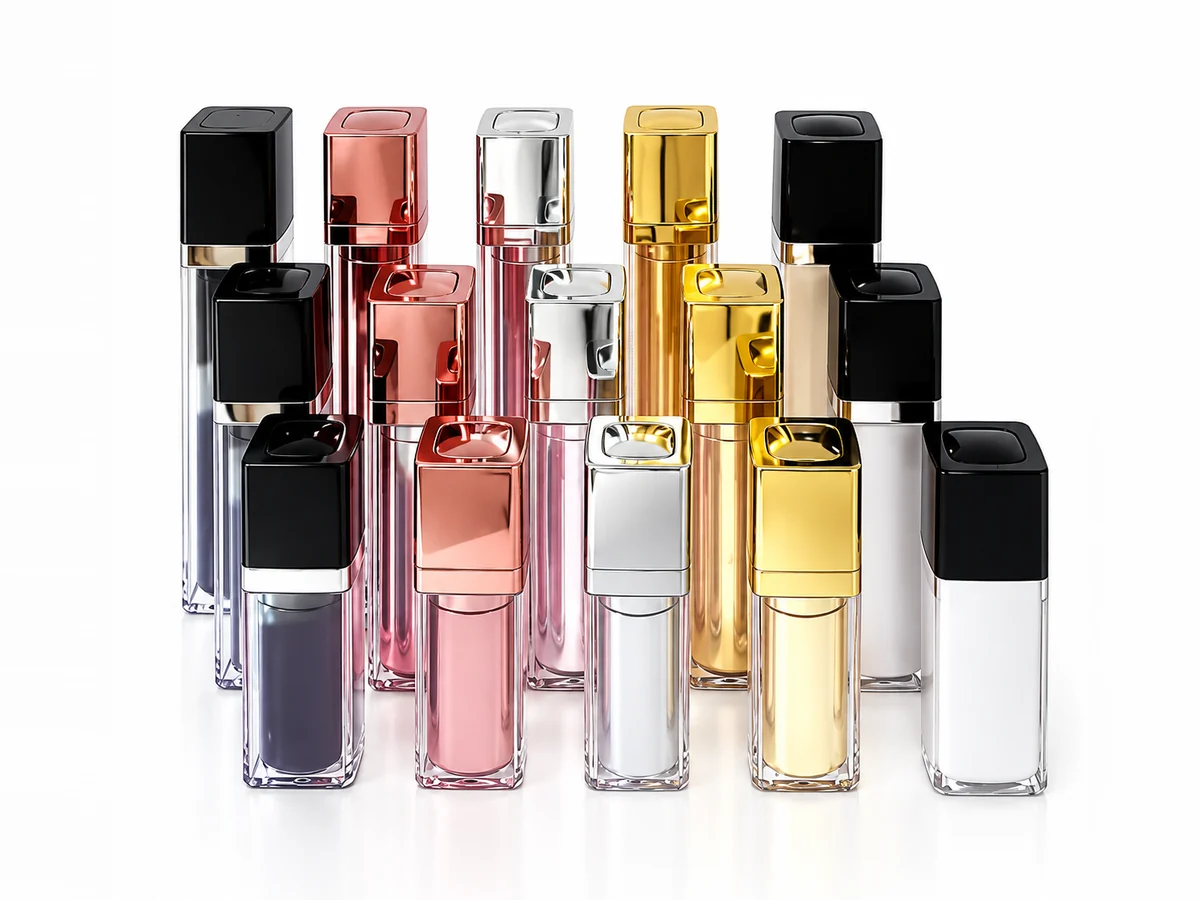
15 ml
30 ml
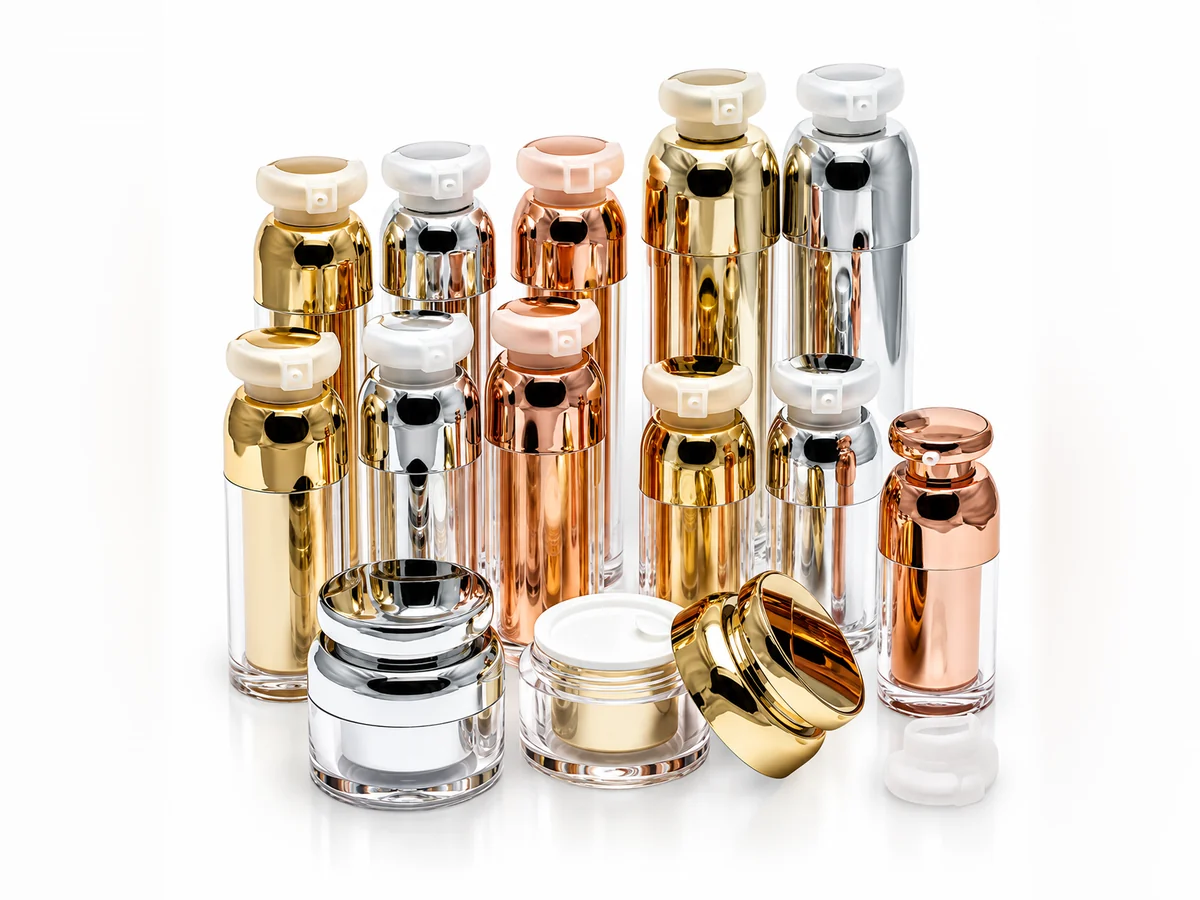
15 ml
30 ml
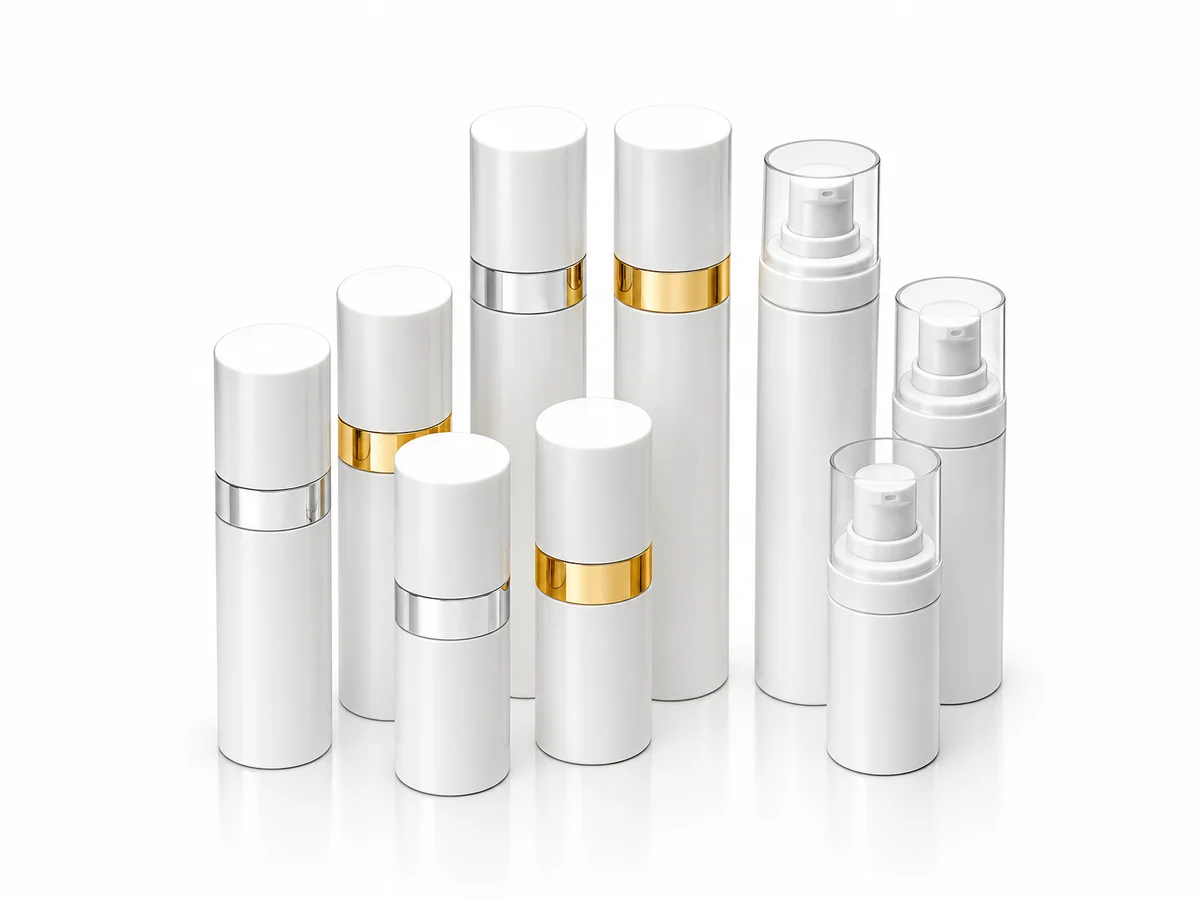
30 ml
50 ml
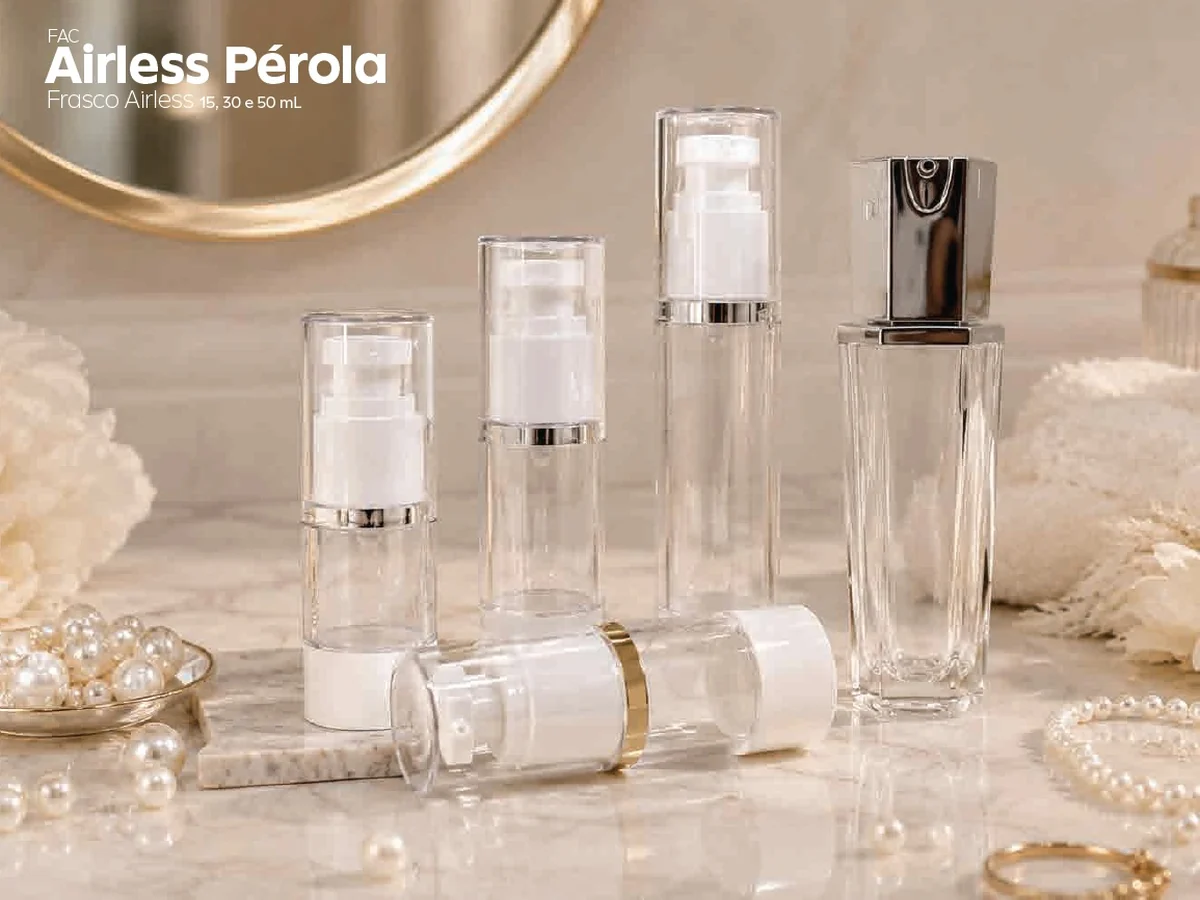
15 ml
30 ml
50 ml
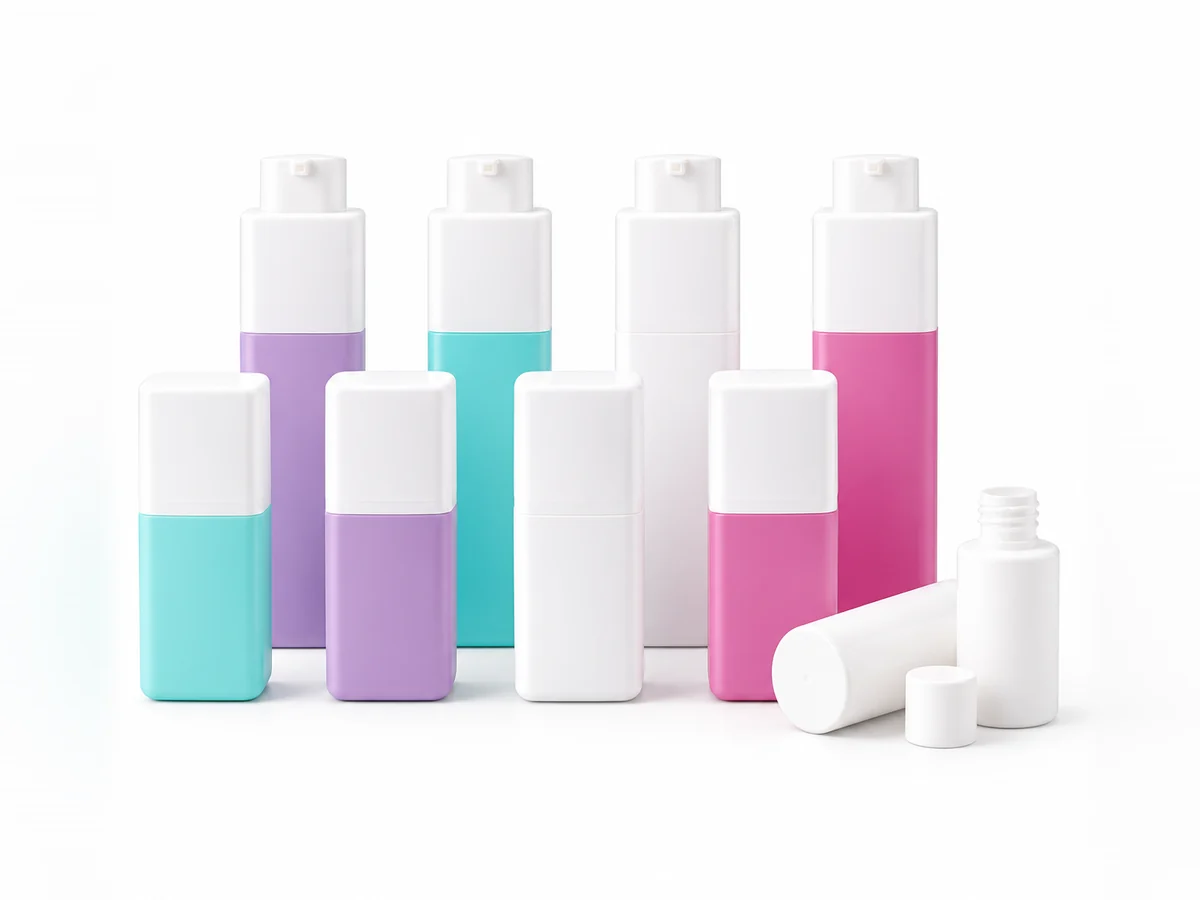
15 ml
30 ml
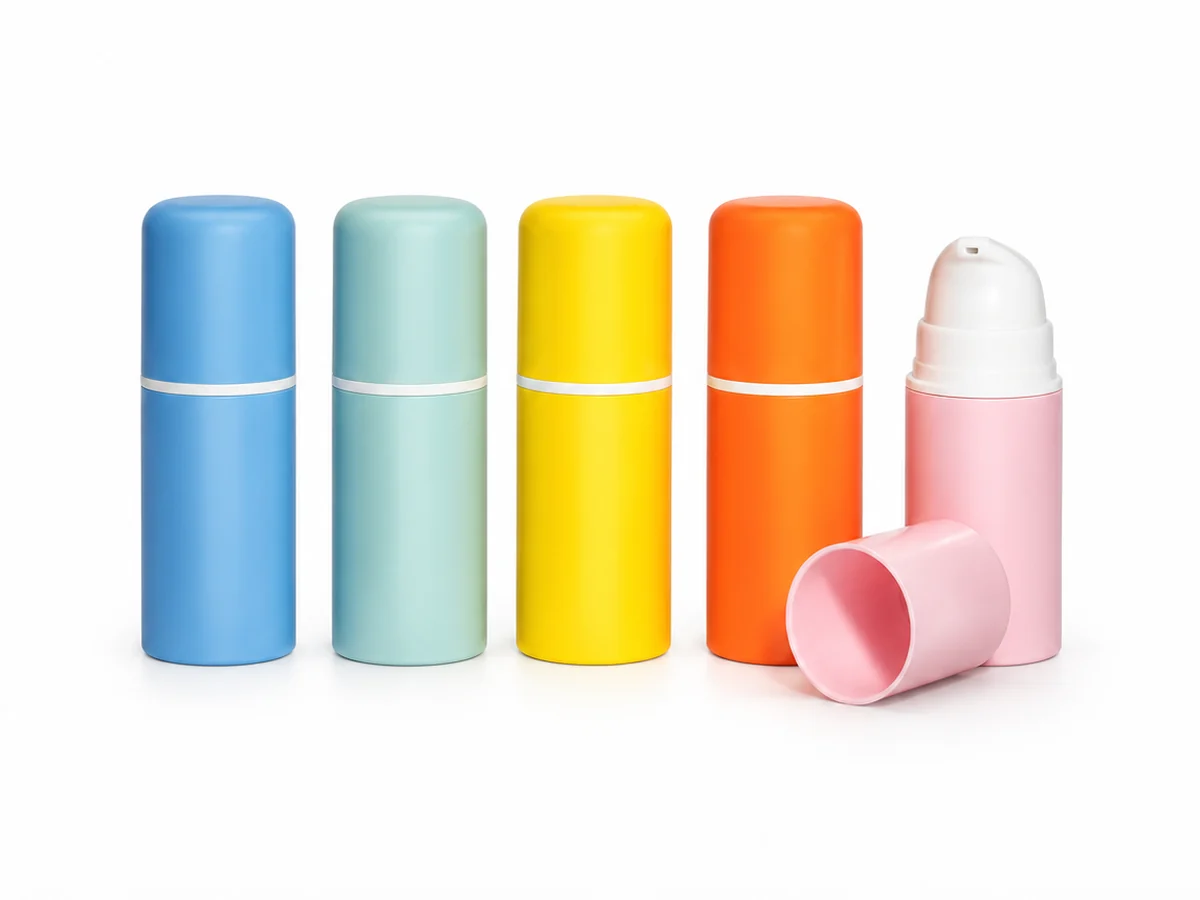
30 ml
Frequently asked questions
Airless or dropper for a retinol serum?
Airless, in most cases. Retinol degrades with light and oxygen, and a dropper lets air in at every opening while exposing the pipette. Airless dispenses with no air entering and, if opaque, also blocks light. A dropper is only justified in a small size, amber glass and with an already stabilised formula.
Why does airless not work with very thick formulas?
Because the piston is pushed up by the pressure the pump creates when drawing product. If the formula is too thick, the pump cannot draw it and the piston jams or rises unevenly, trapping product. The fix is adjusting viscosity, choosing a higher-output airless or moving to a tube or jar.
How much product is left in an airless bottle?
Far less than in a jar or a dip-tube pump, because the piston pushes the content to the top. Some still remains in the pump channel and the actuator. The amount depends on the model and viscosity, and it is measured during development so the declared volume reflects what actually comes out.
Why does nothing come out of an airless bottle at first use?
Because the pump has to be primed: the first strokes clear air from the channel until product reaches the outlet. If the bottle was filled with a lot of air between formula and piston, this takes longer or fails. Filling with minimal air and an actuation check on the line solve it before it reaches the consumer.
Other archive categories
Airless bottles
Build your project and get a technical review
Add the packaging that fits your product to your project and tell us what you want to manufacture. The technical team reviews packaging and formula together and replies with feasibility, lead time and next steps.