Archive · over 300 options
Spray bottles for cosmetics
A spray bottle delivers product as a mist through a pump valve. It suits fluid formulas such as micellar water, facial toner, fragrance, hair spray and sanitiser. The mist spreads product without hand contact. The archive holds over 300 options, many of them with complete technical specs.
What separates one spray from another is the valve, not the bottle. Valves differ in output per stroke and in how wide the mist fans out. Alcohol-based formulas such as fragrance need an alcohol-compatible valve, otherwise it can seize within weeks. Thicker formulas need higher output, or the product comes out in uneven bursts.
Quick facts
- Options in the archive
- Over 300
- Volume range
- 2 to 1,000 ml
- Most frequent materials
- Glass · PET / PETG · Polypropylene (PP) · Acrylic / AS / ABS
- Most common neck finishes
- 24/410 · 28/410 · 18/415 · 15/410
How to choose
Define the formula first, because it decides the material: fragrance and high-alcohol formulas go in glass as a rule; water-based mists, toners and hair sprays accept PET or PP. Then choose how the valve is fixed: crimped for fragrance, which seals better and cannot be opened, or screw-on, which allows refilling. Next, the output: fine mist for toner and setting spray, standard spray for body and hair, trigger for large volumes. Finally, confirm the dip tube reaches the bottom of the chosen bottle.
Development lines that use this packaging
Search and filter
Search by type, volume, neck finish or material. E.g.: · · ·
All options
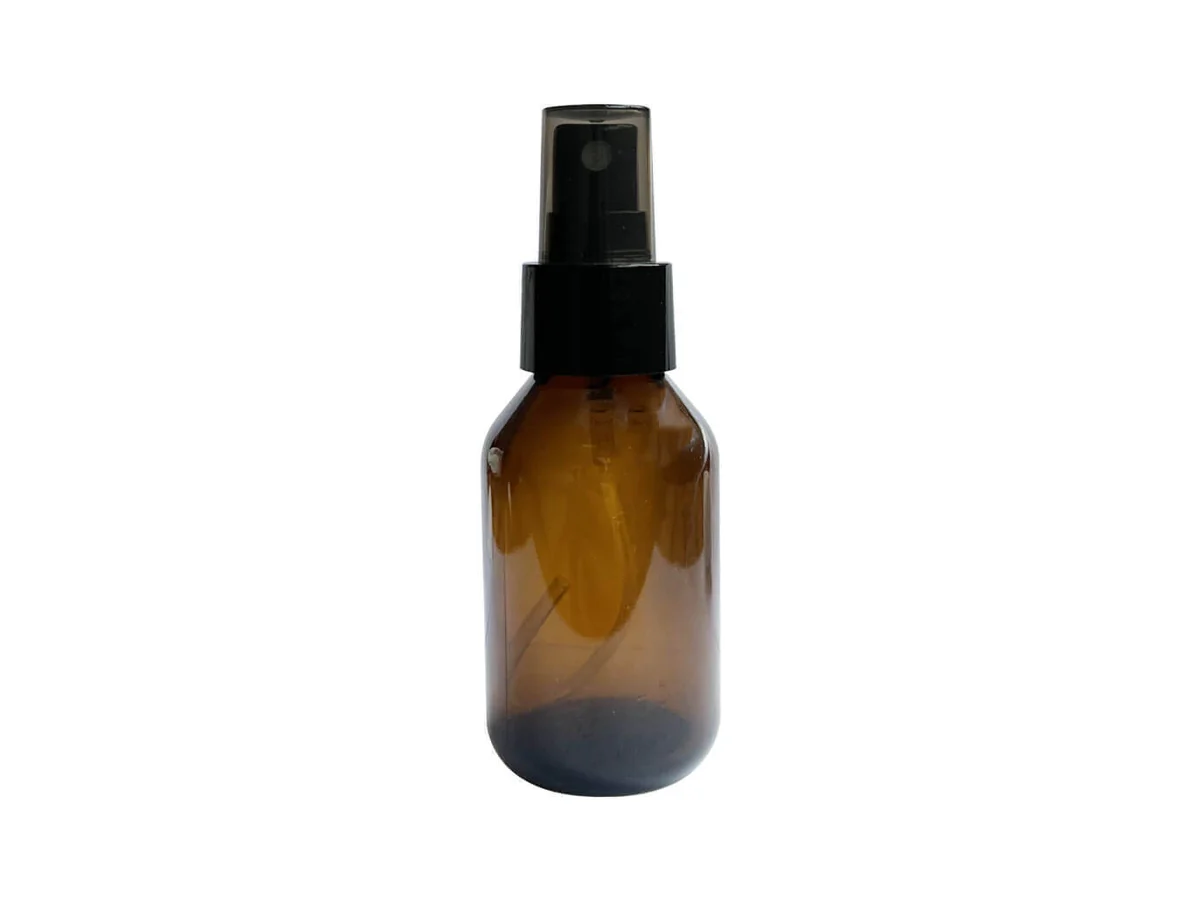
60 ml · Glass · 24/410
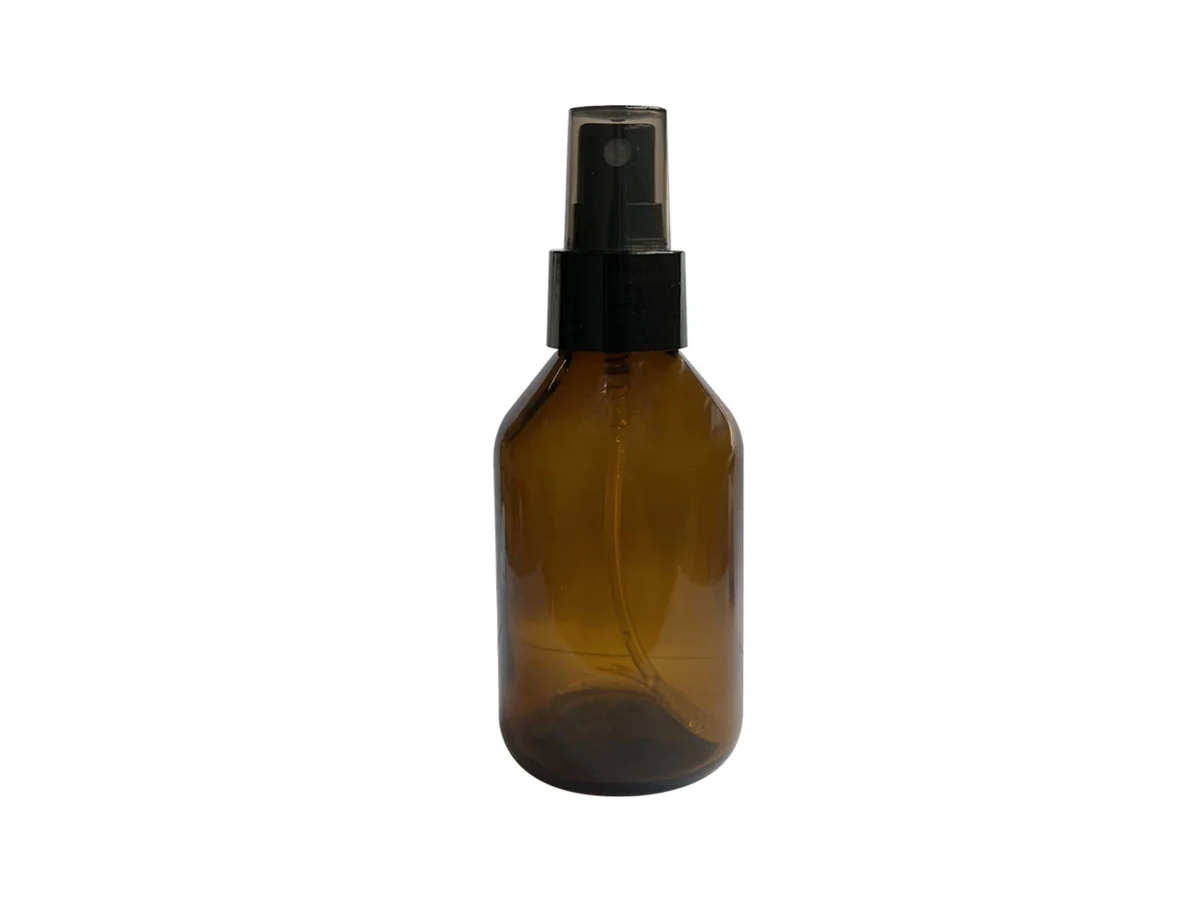
100 ml · Glass · 24/410
120 ml · Glass · 24/410
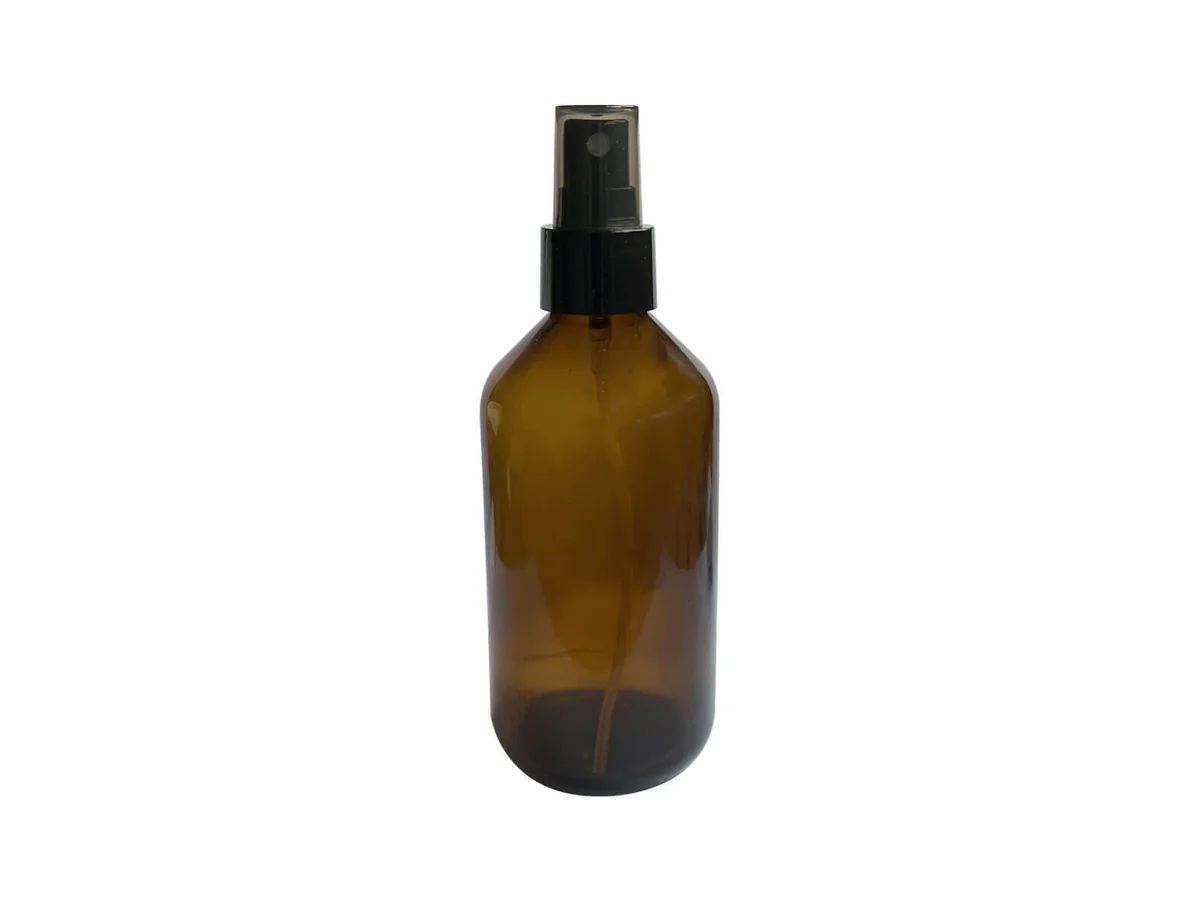
200 ml · Glass · 24/410
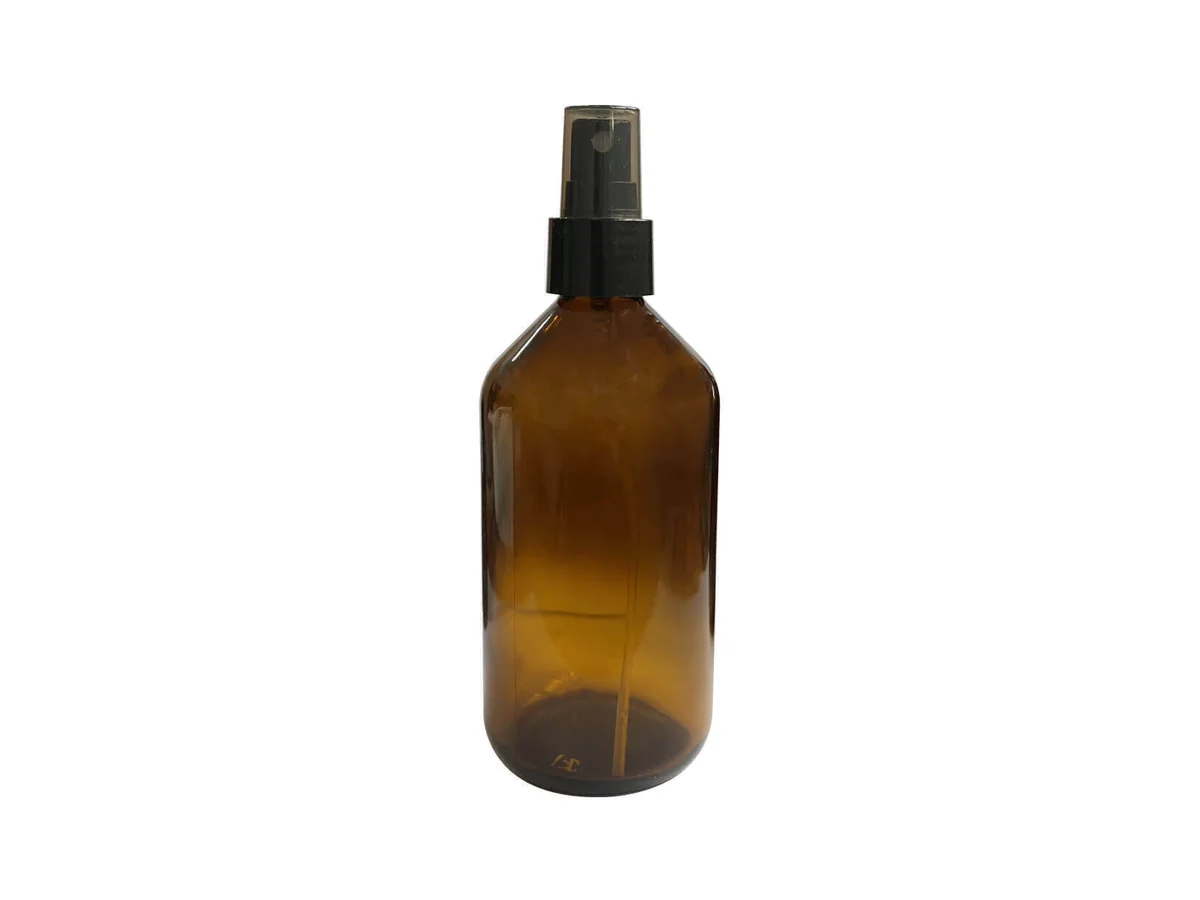
250 ml · Glass · 24/410
500 ml · Glass · 24/410
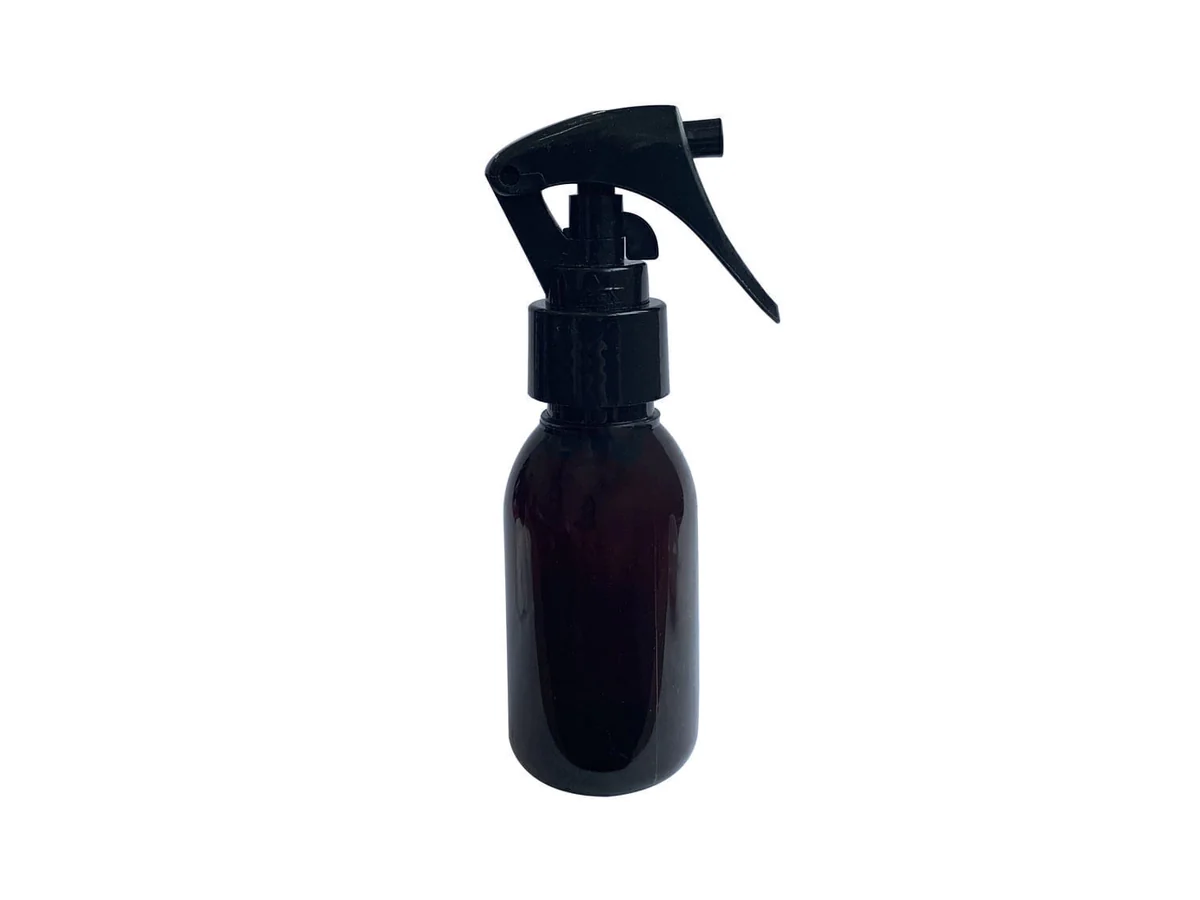
60 ml · PET · 24/410
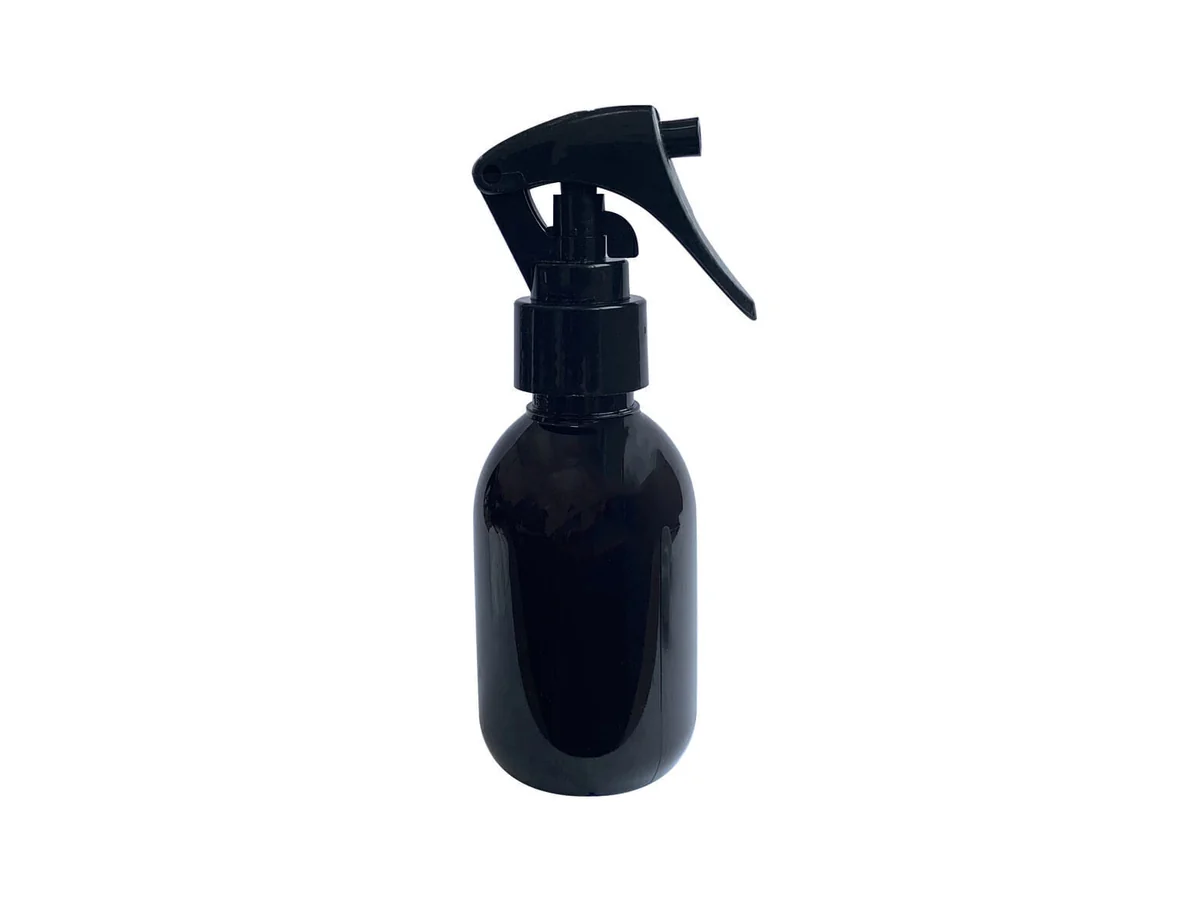
100 ml · PET · 24/410
120 ml · PET · 24/410
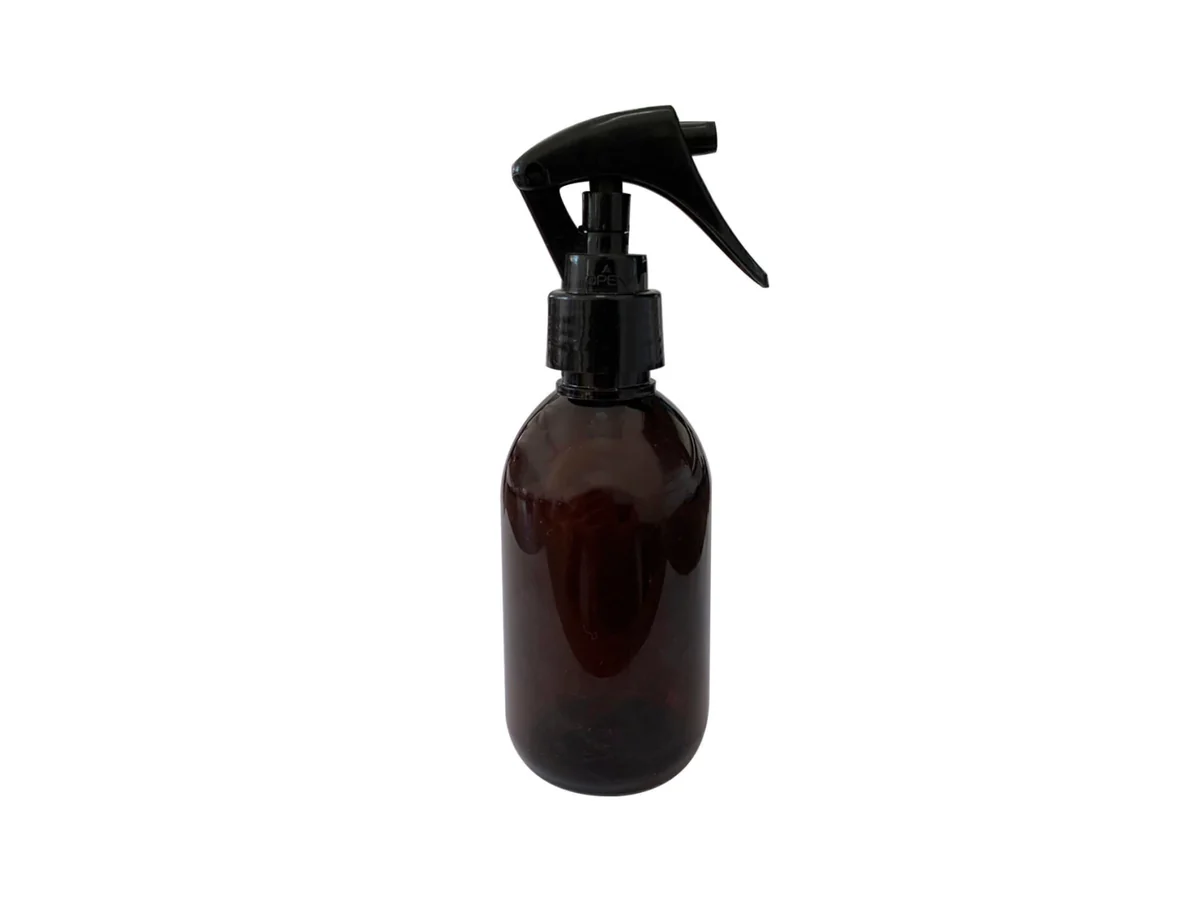
150 ml · PET · 24/410
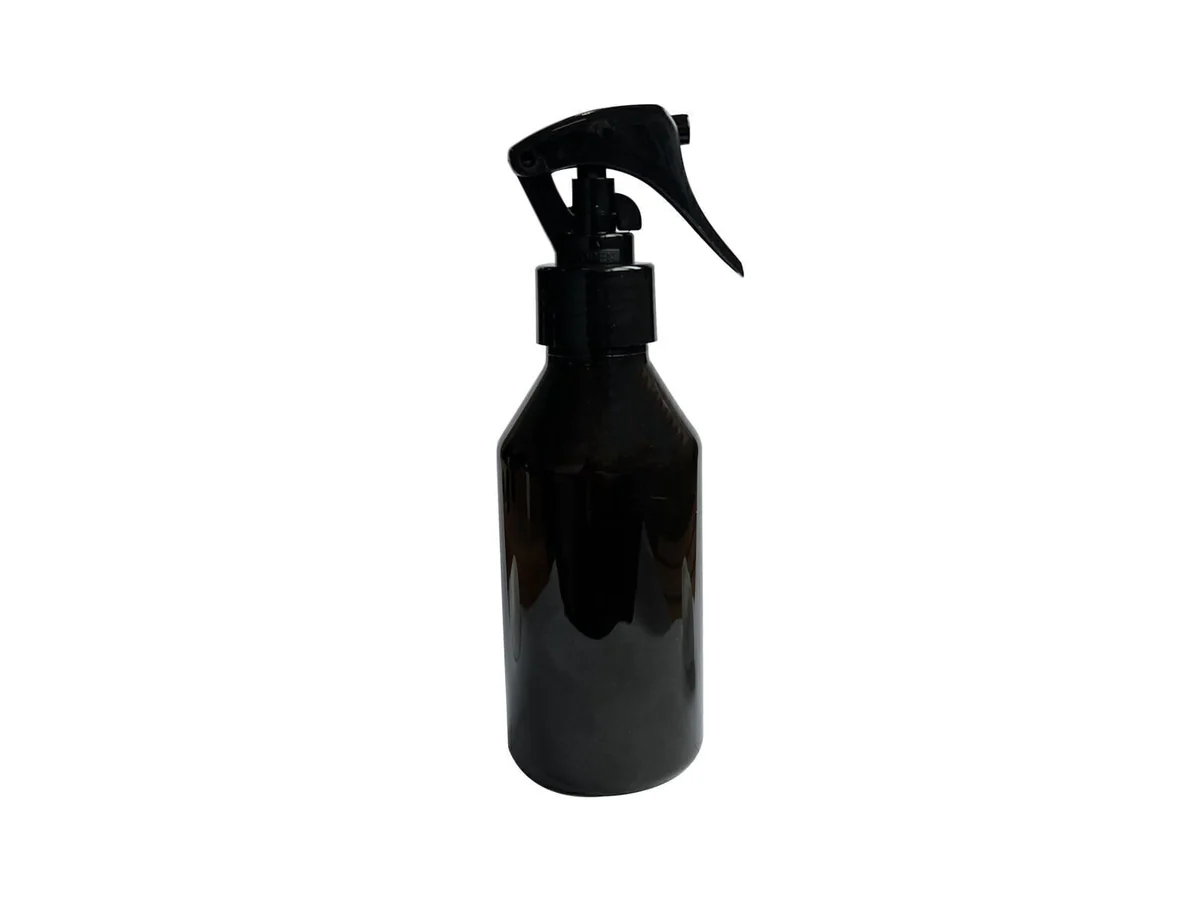
100 ml · PET · 28/410
150 ml · PET · 28/410
200 ml · PET · 28/410
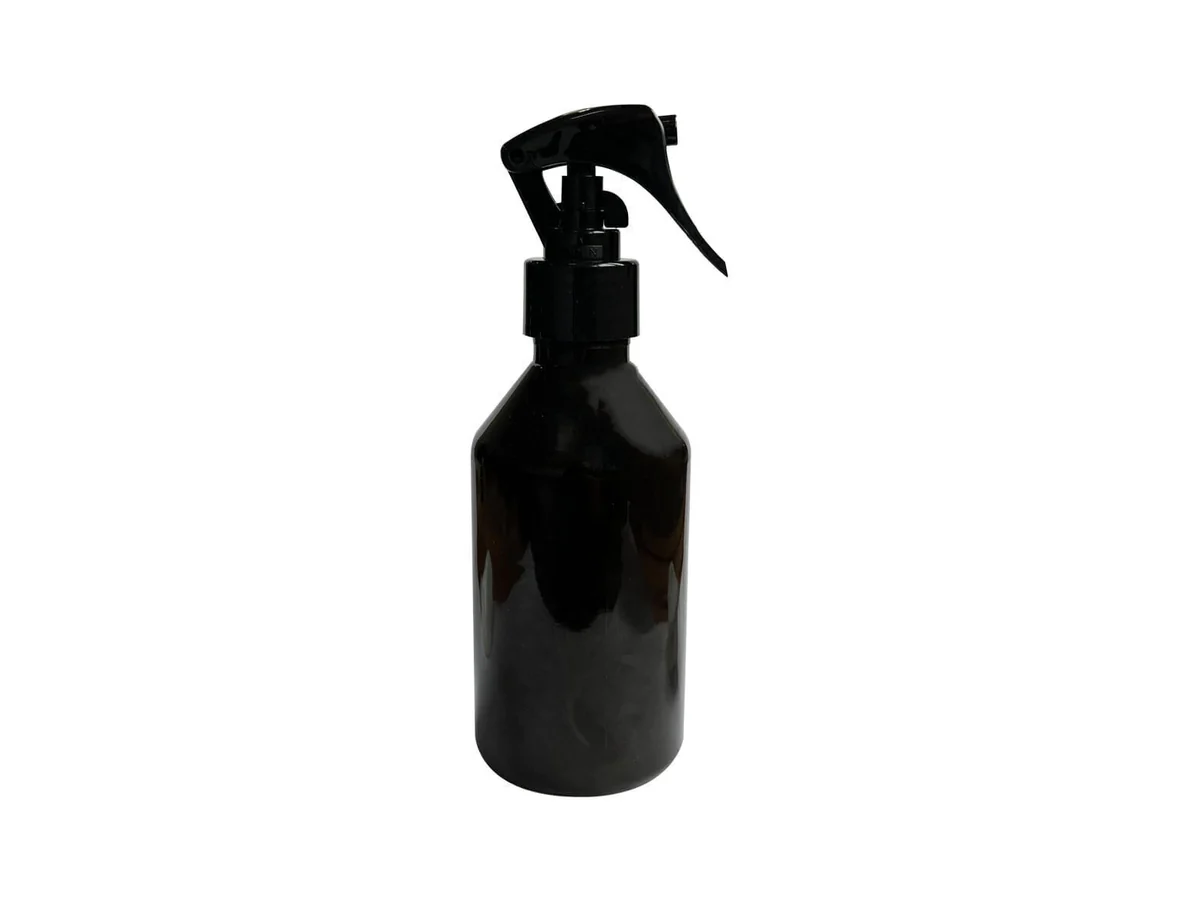
250 ml · PET · 28/410
500 ml · PET · 28/410
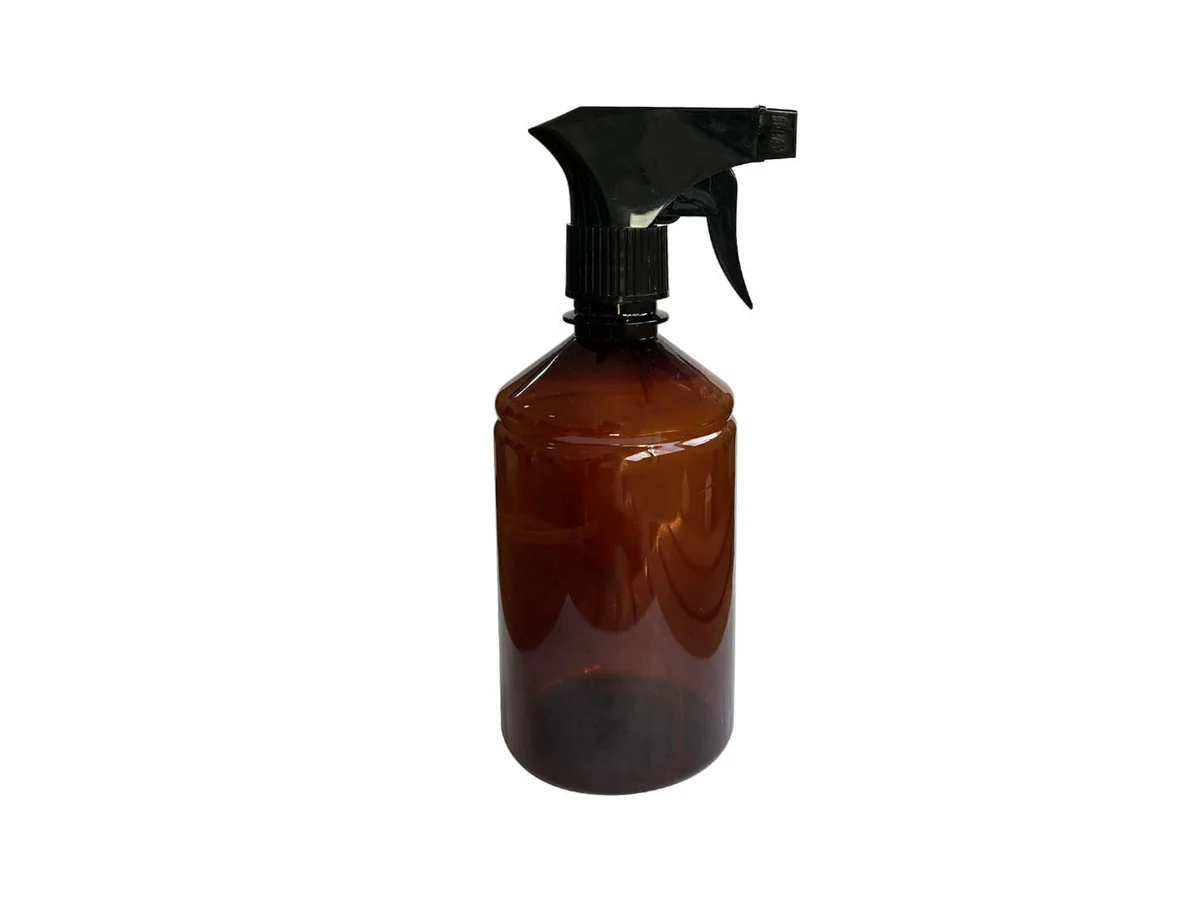
250 ml · PET · 24/410
500 ml · PET · 24/410
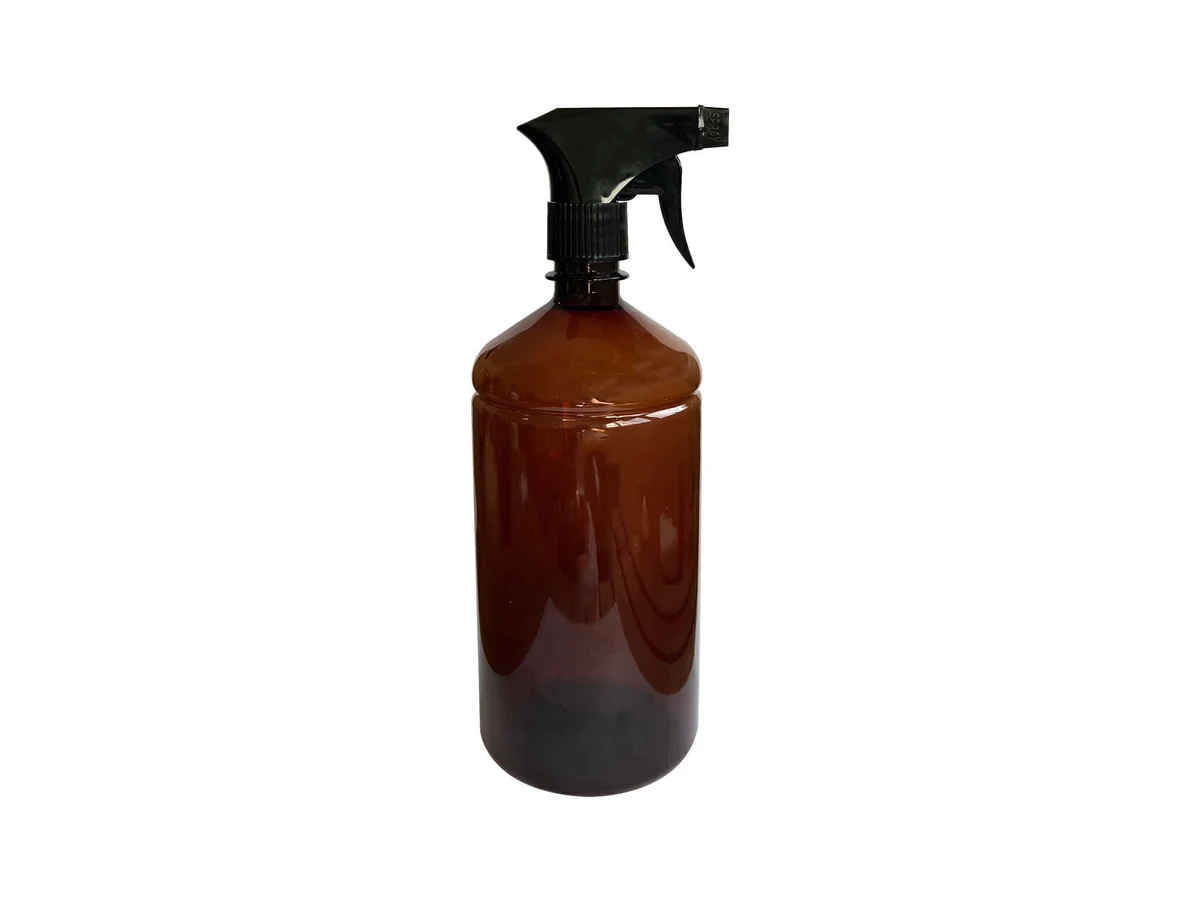
1,000 ml · PET · 24/410
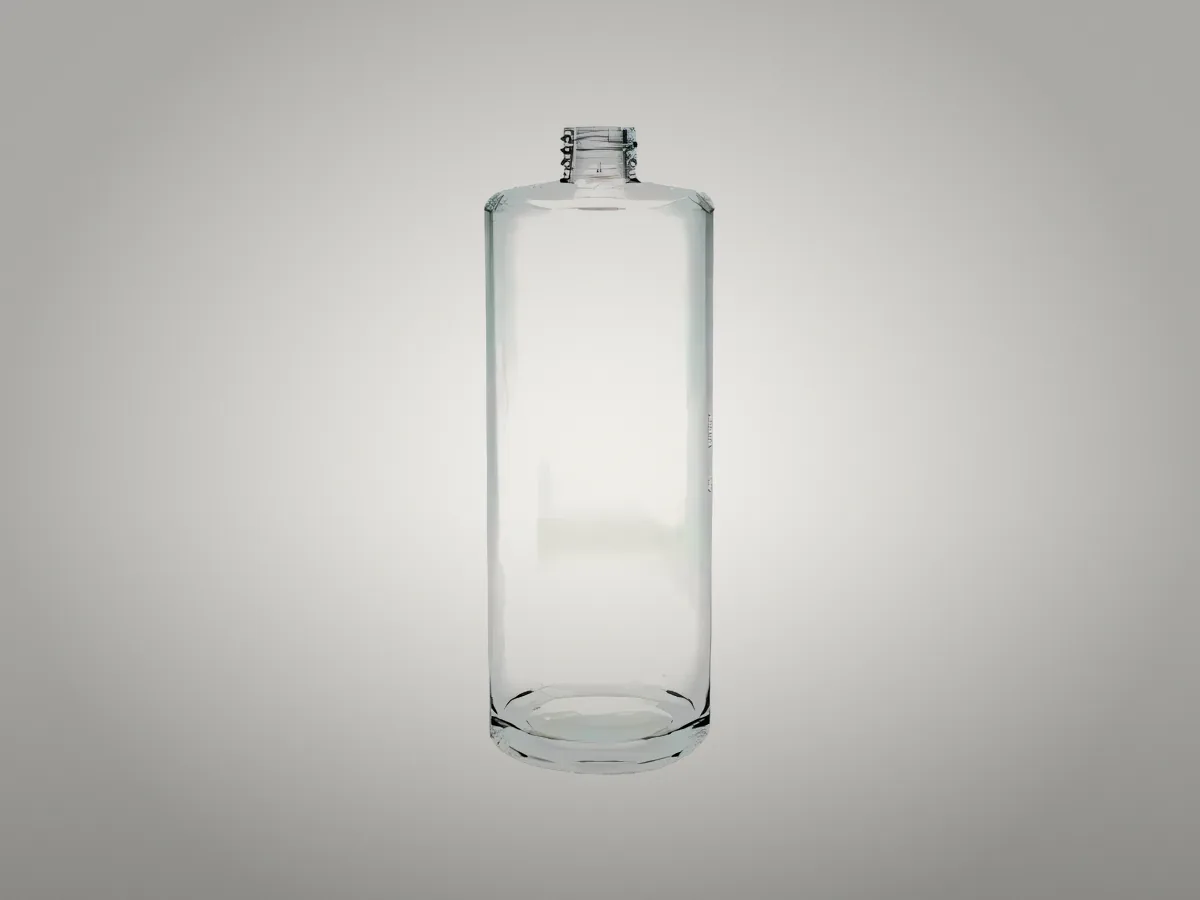
230 ml · Glass · 15/410
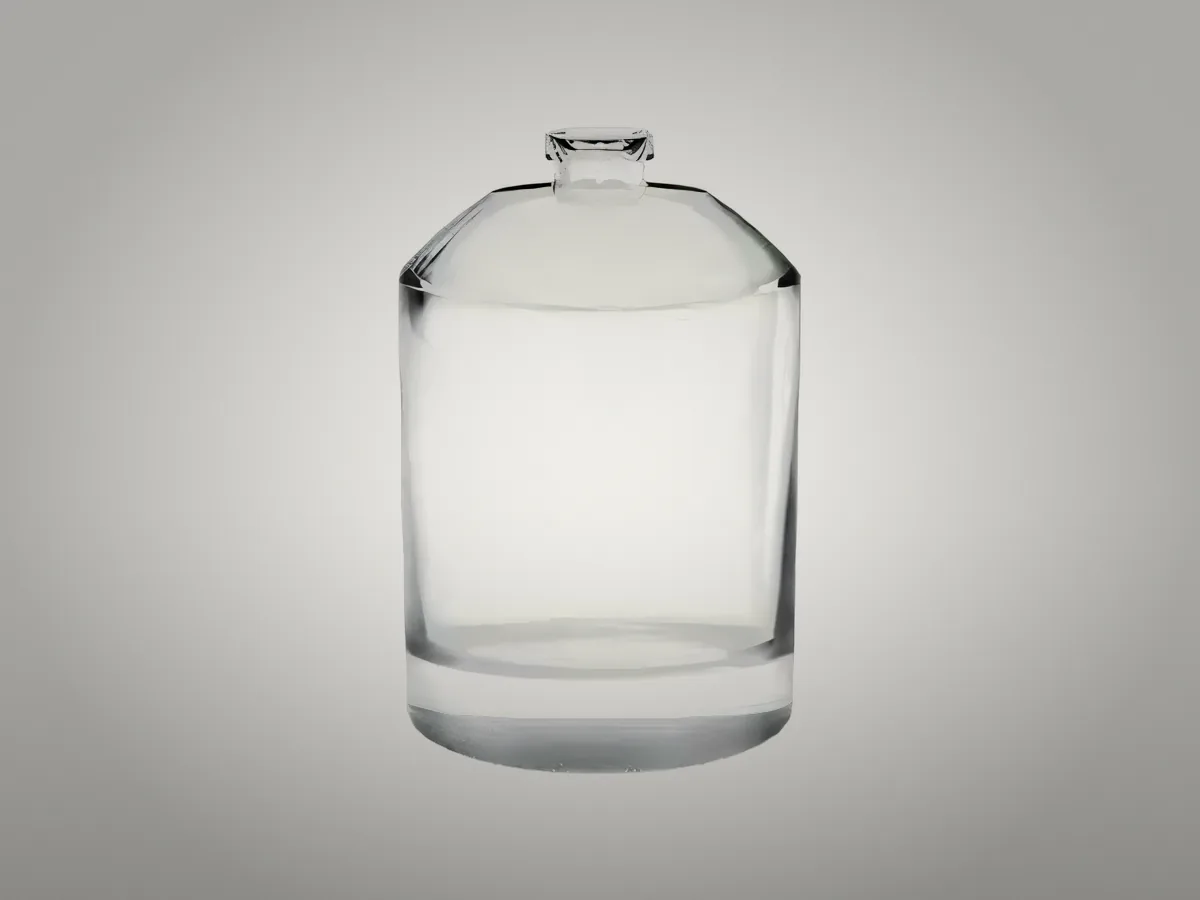
500 ml · Glass · 24/400
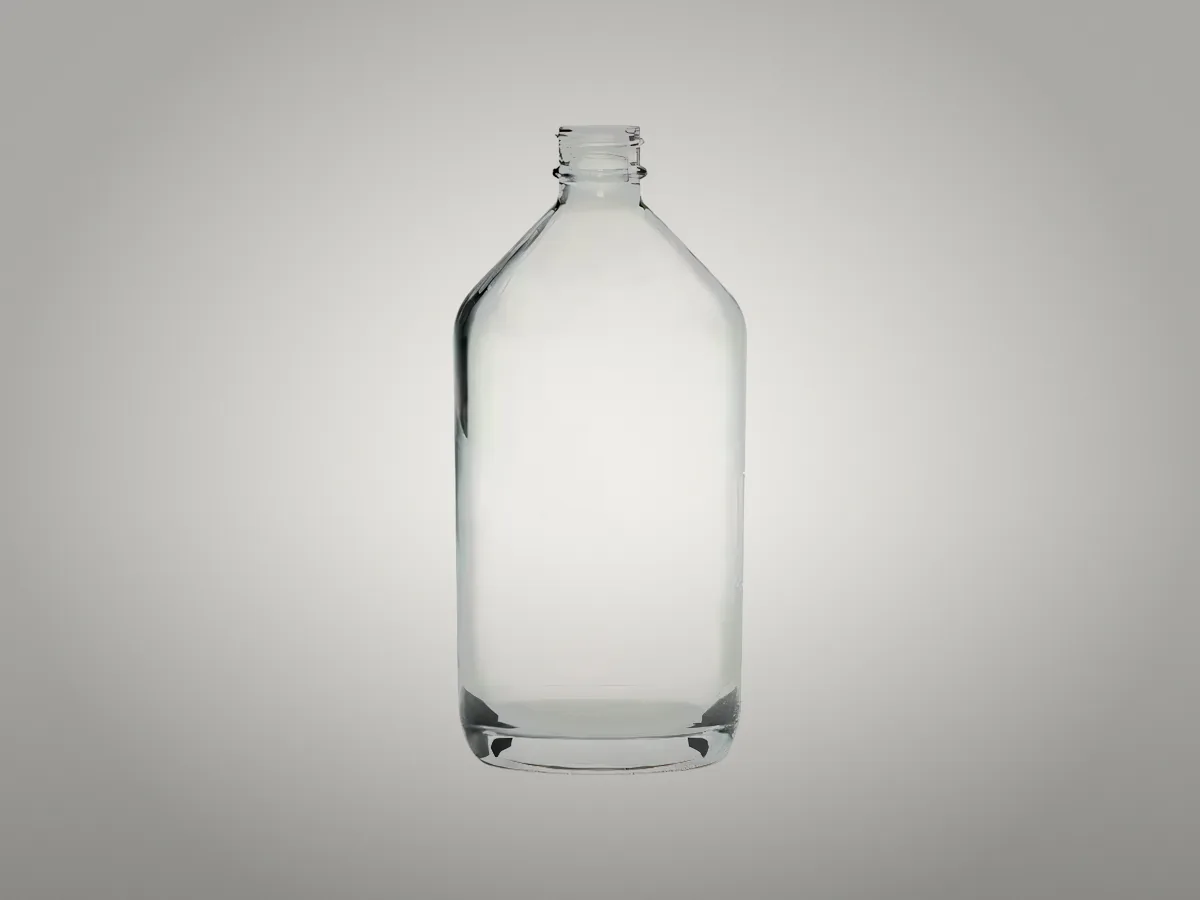
100 ml · Glass
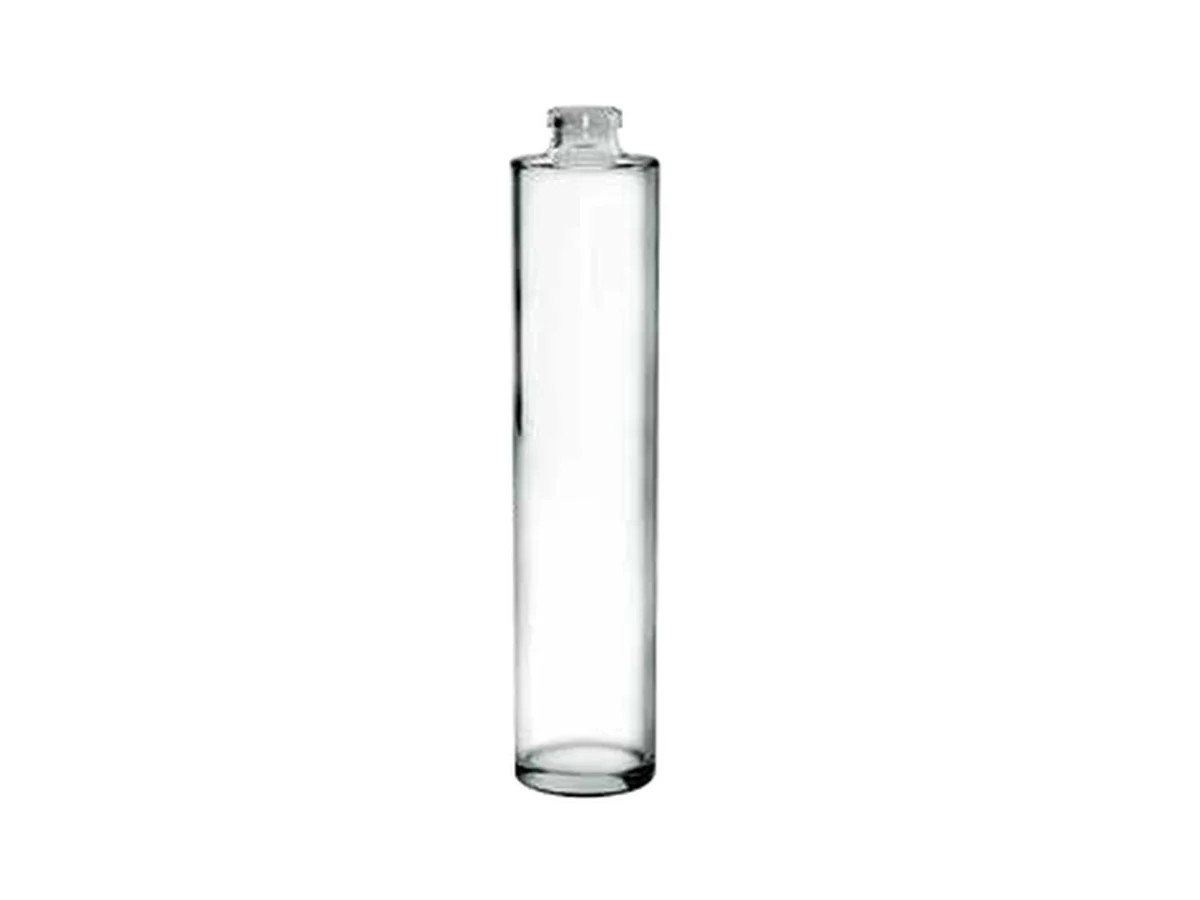
150 ml · Glass · Aerosol 15 mm
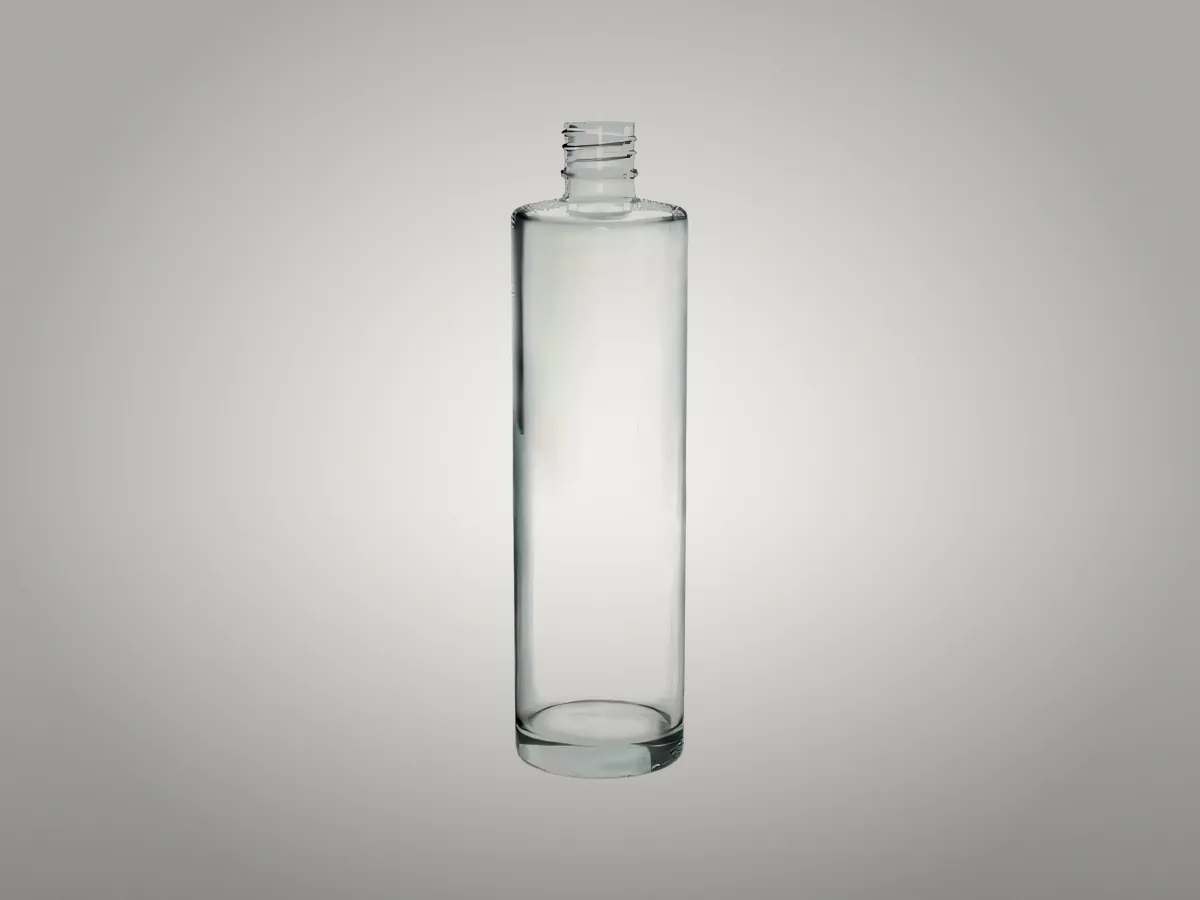
50 ml · Glass
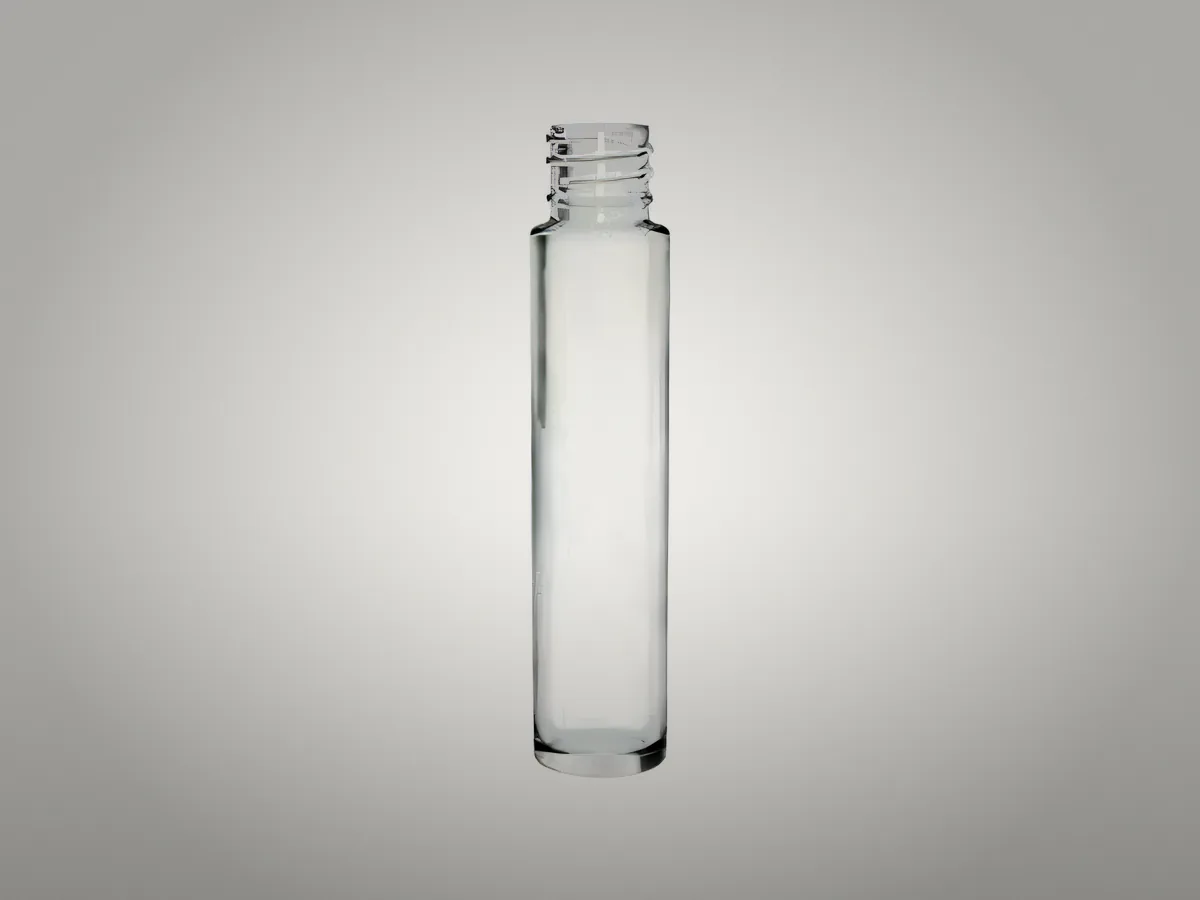
150 ml · Glass
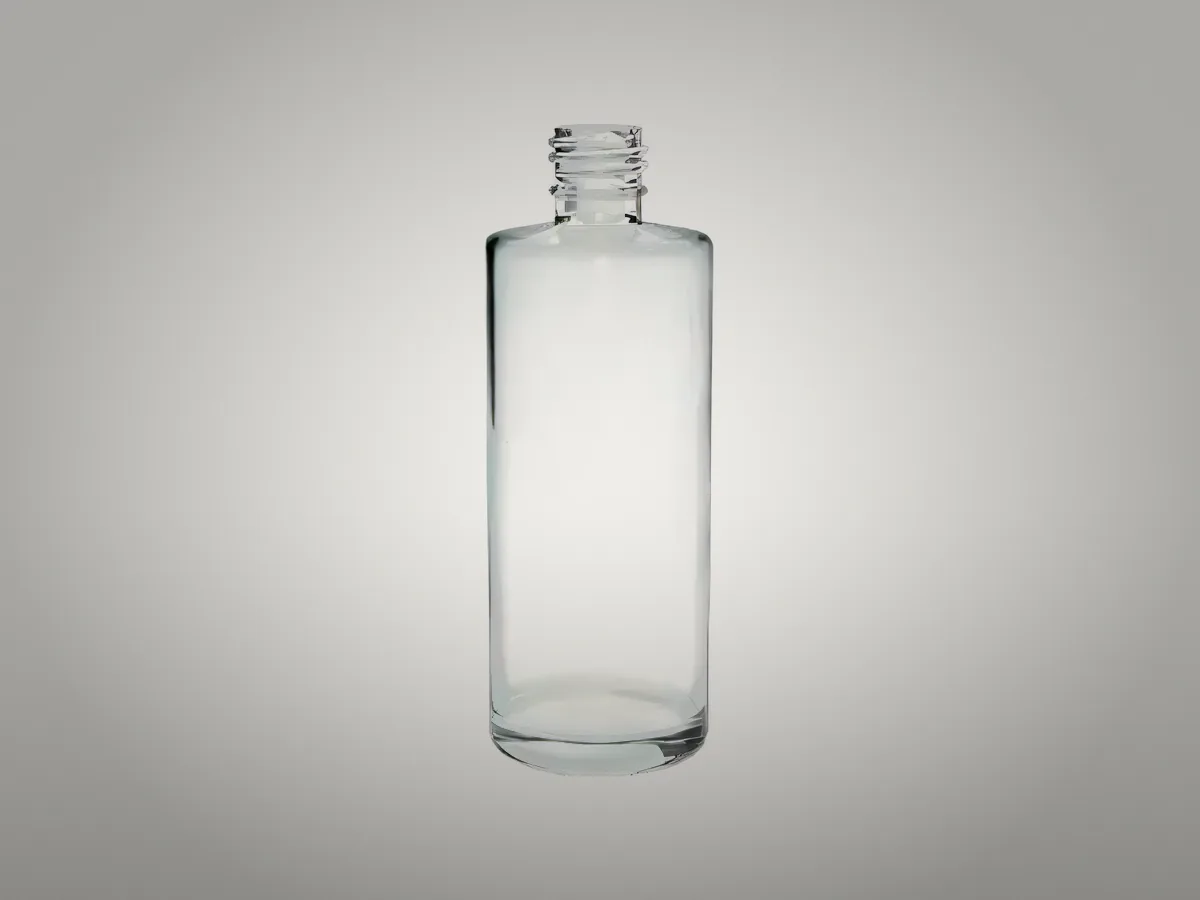
100 ml · Glass · 20/415
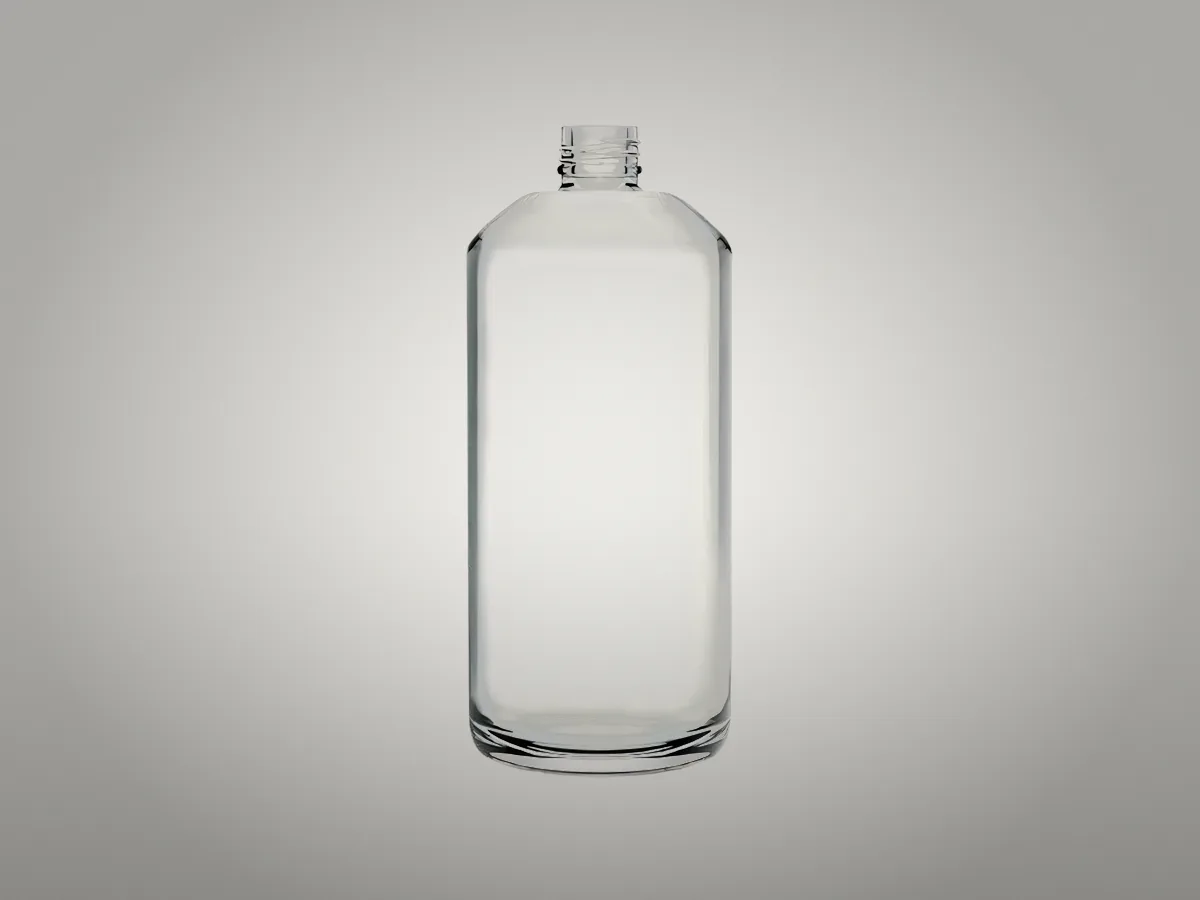
30 ml · Glass · 18/415
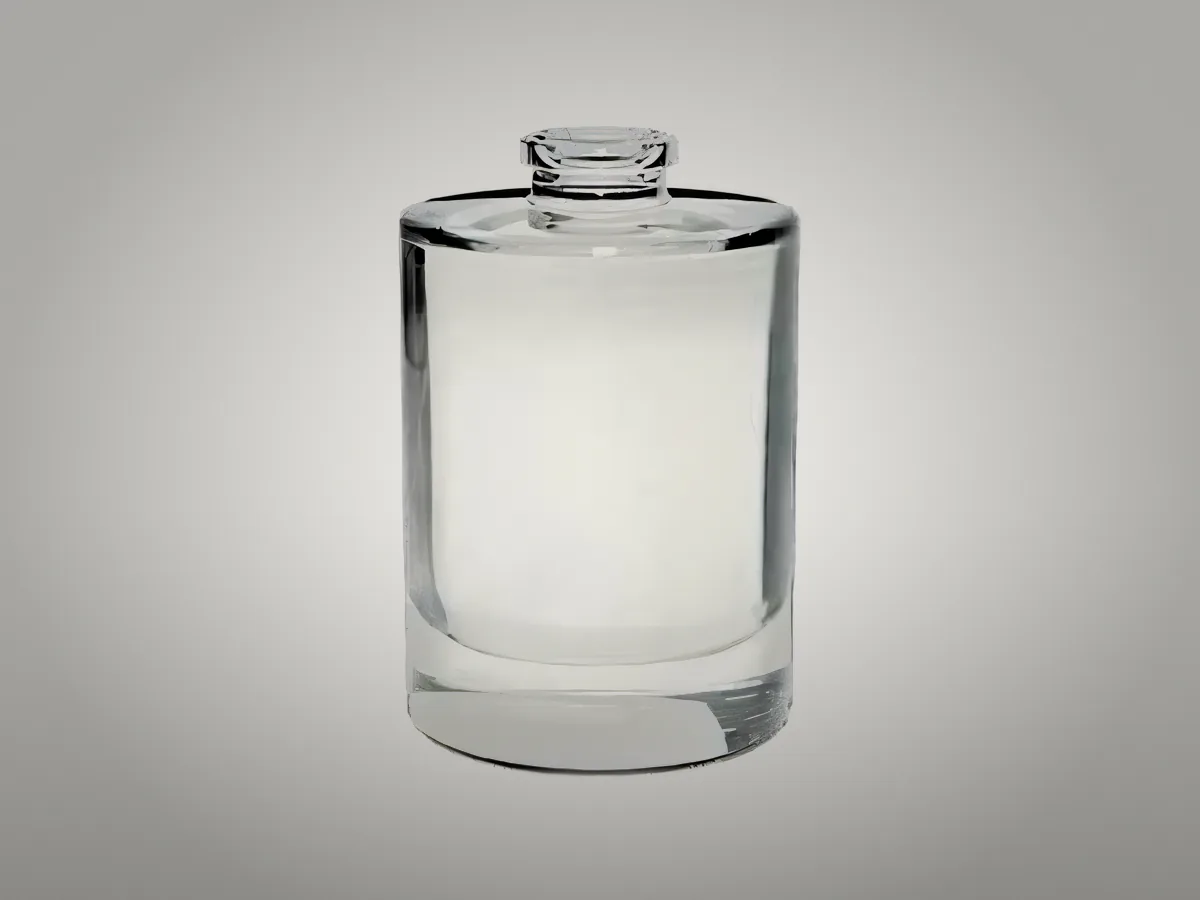
30 ml · Glass · FEA 15 mm
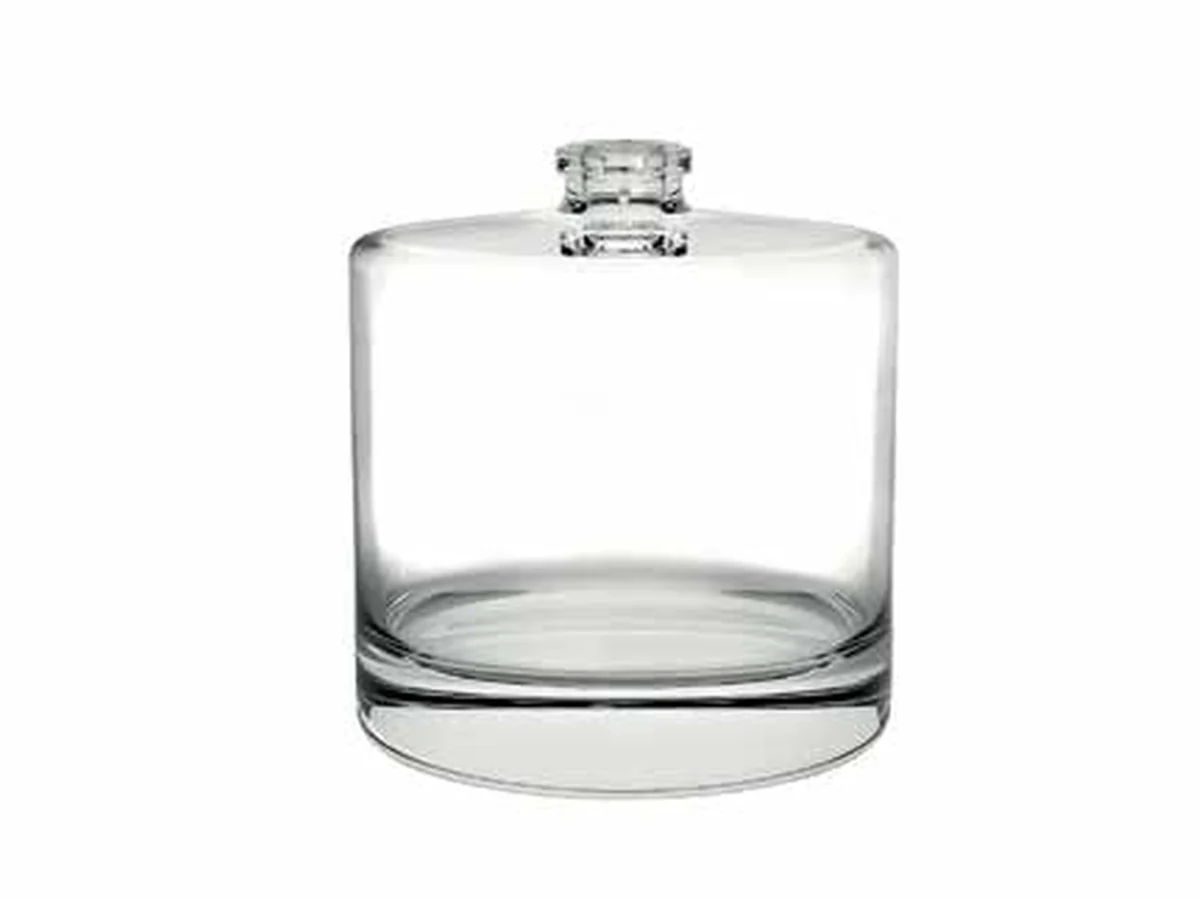
30 ml · Glass · FEA 15 mm
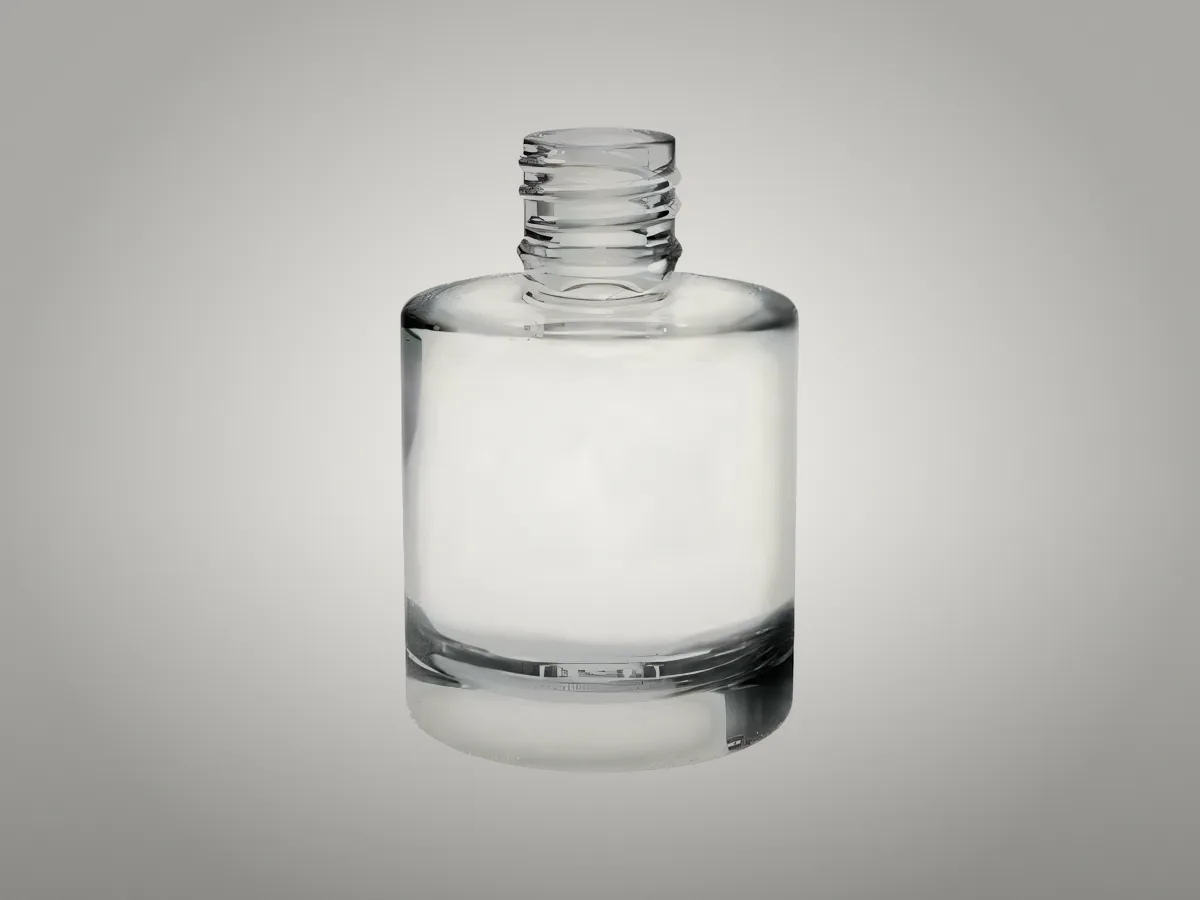
30 ml · Glass · 20/410
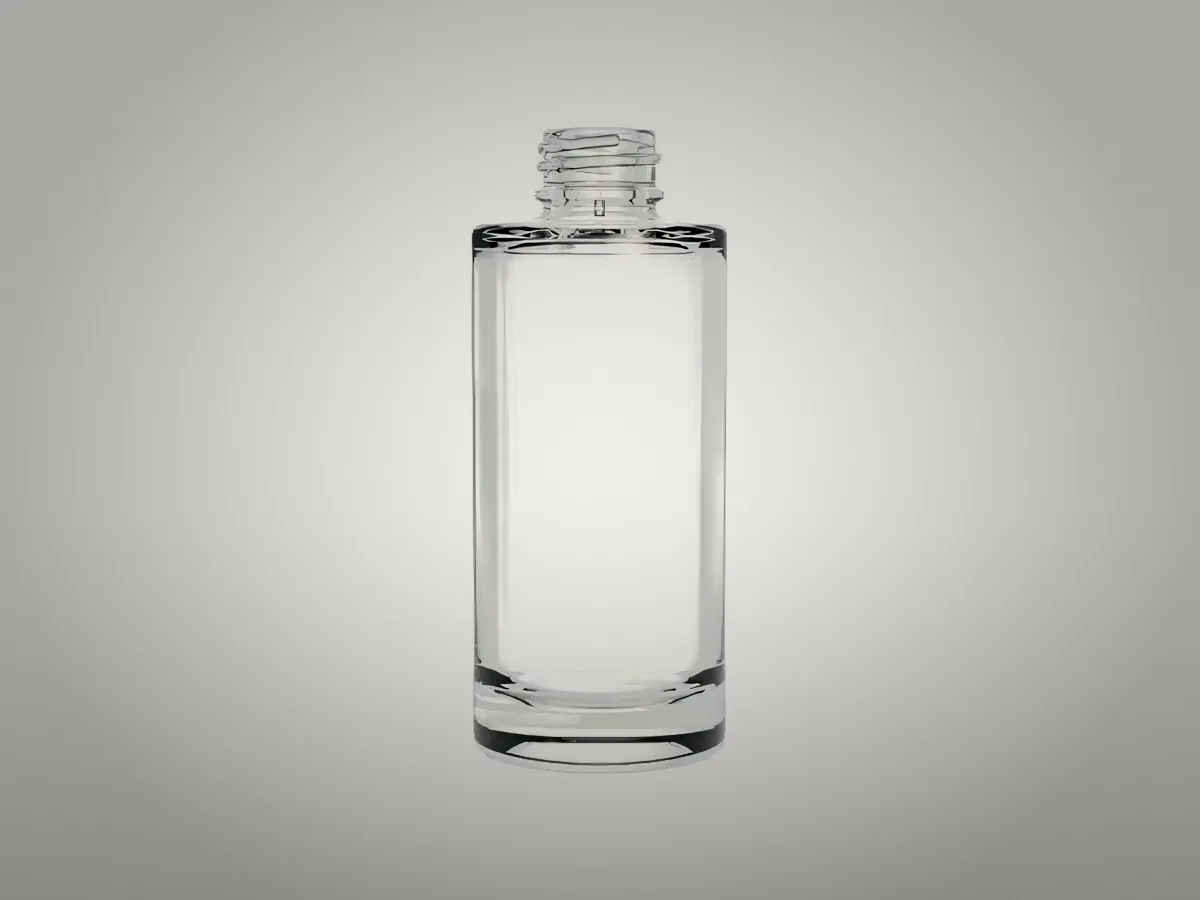
30 ml · Glass · 20/410
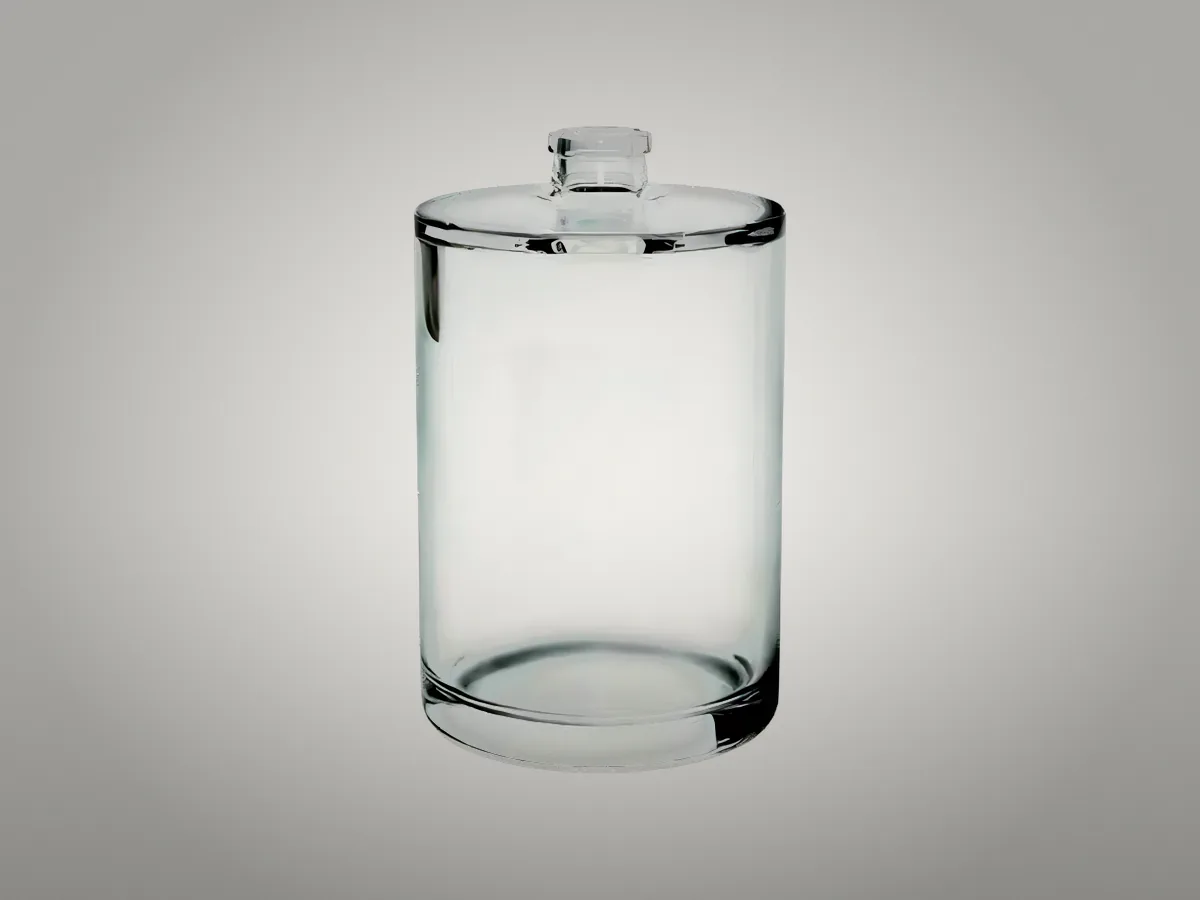
30 ml · Glass · FEA 15 mm
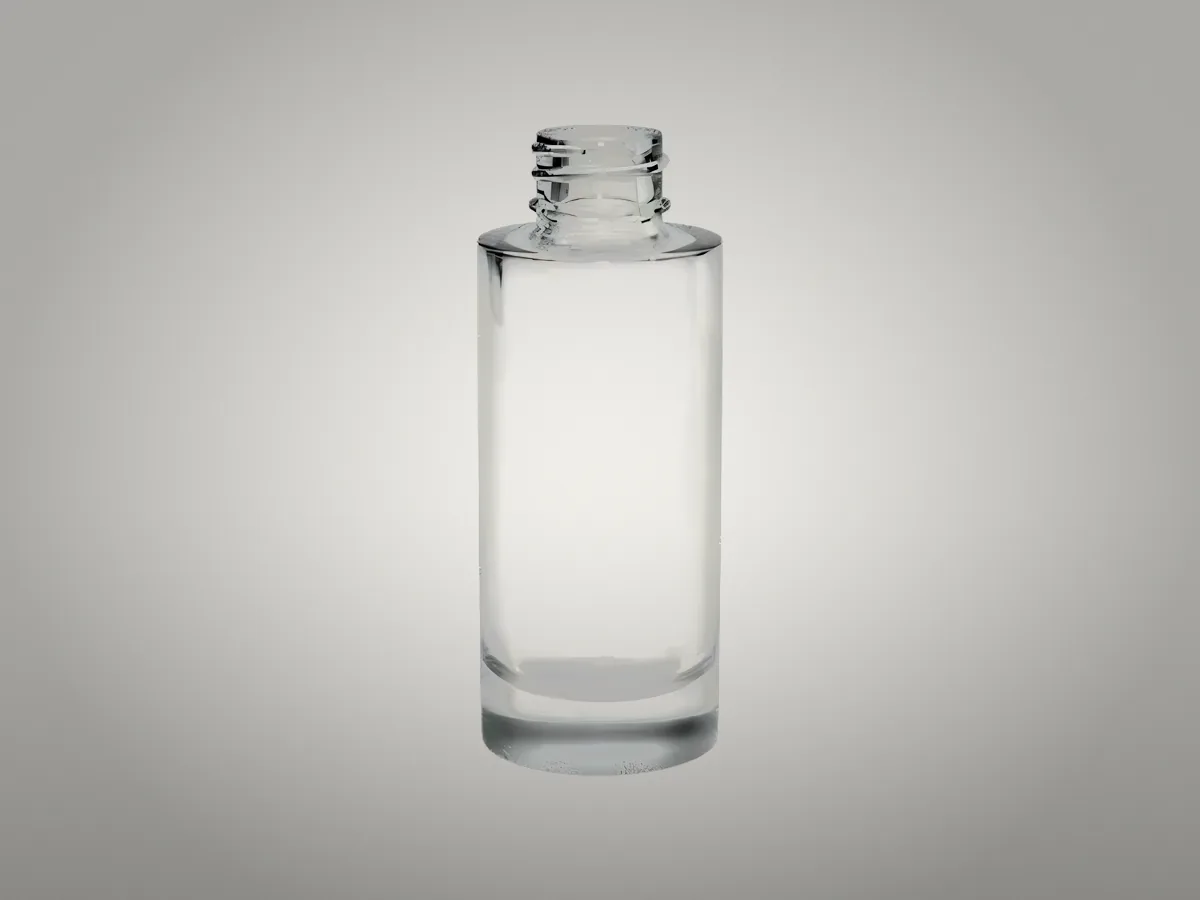
30 ml · Glass · 18/415
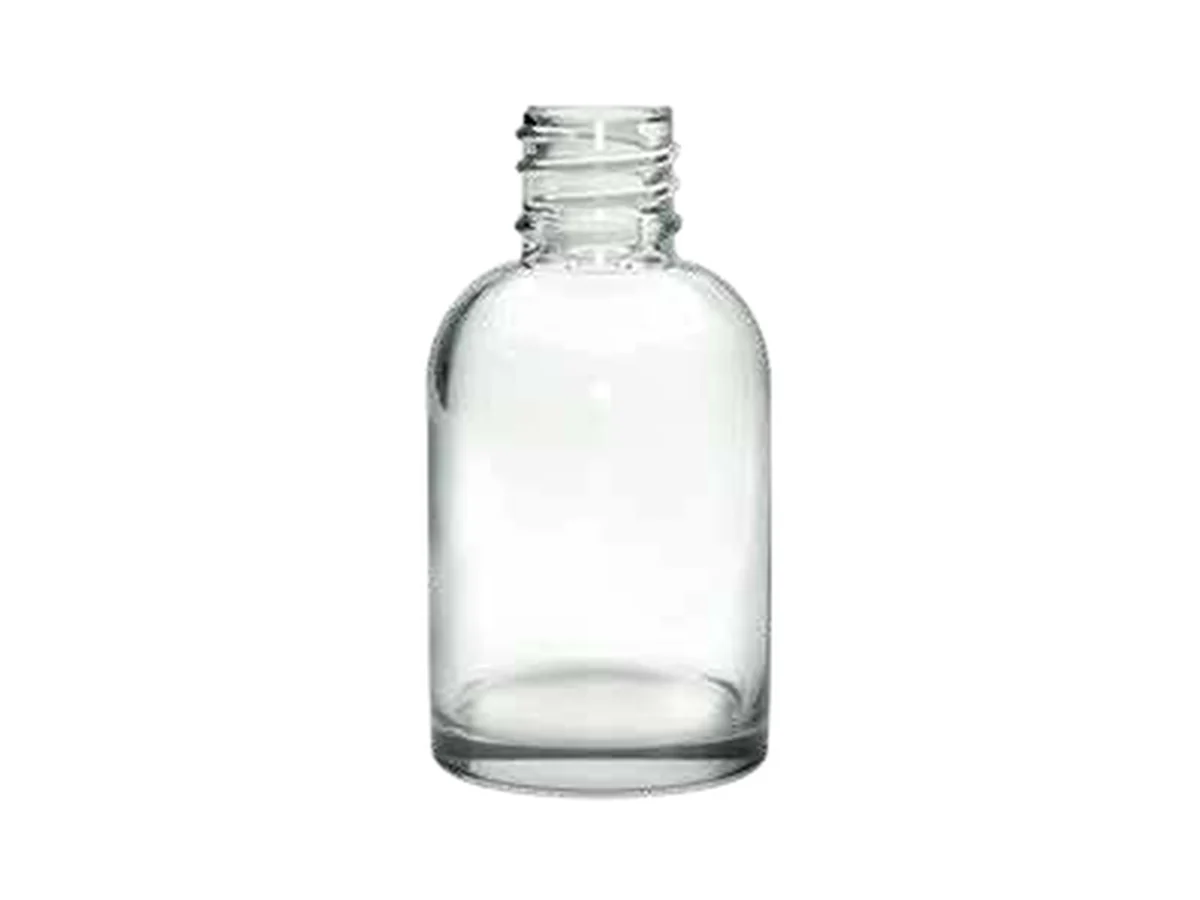
100 ml · Glass
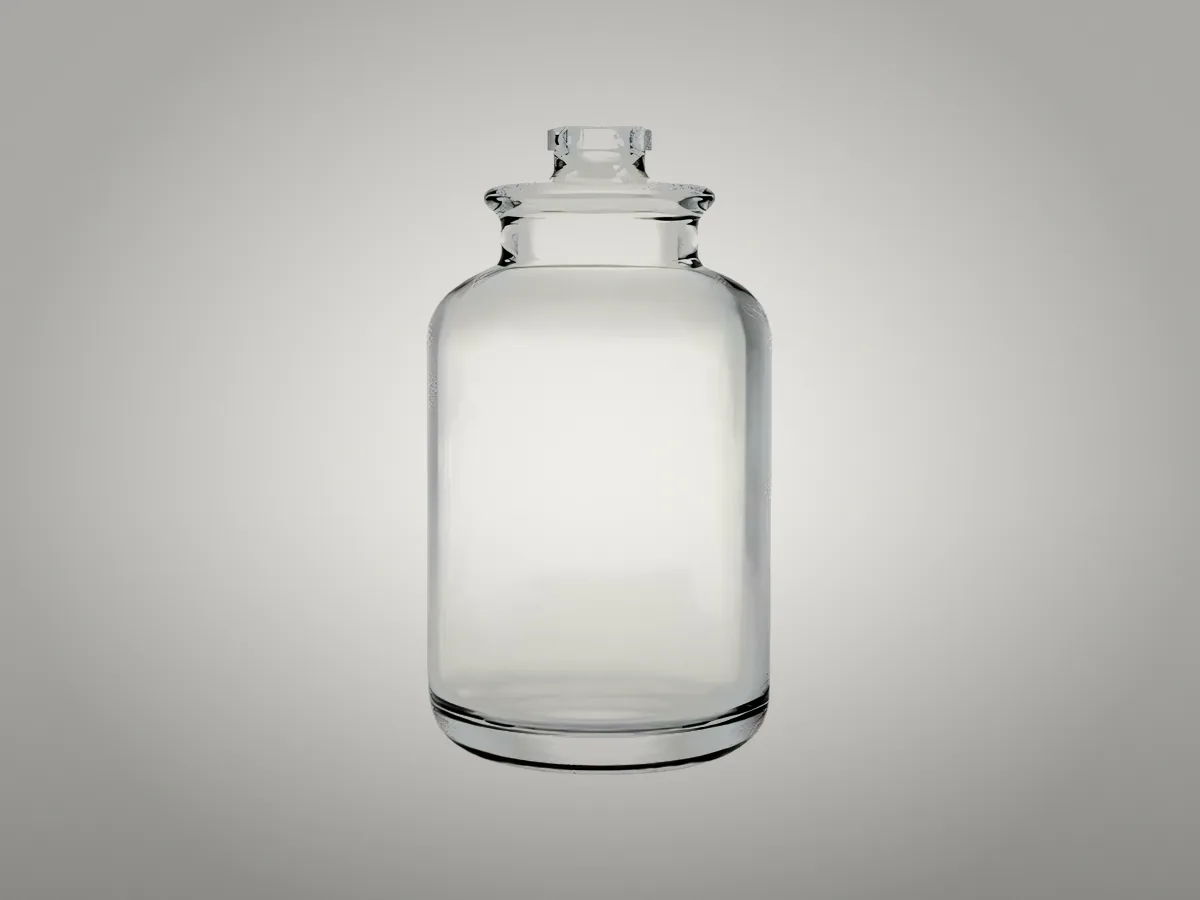
100 ml · Glass
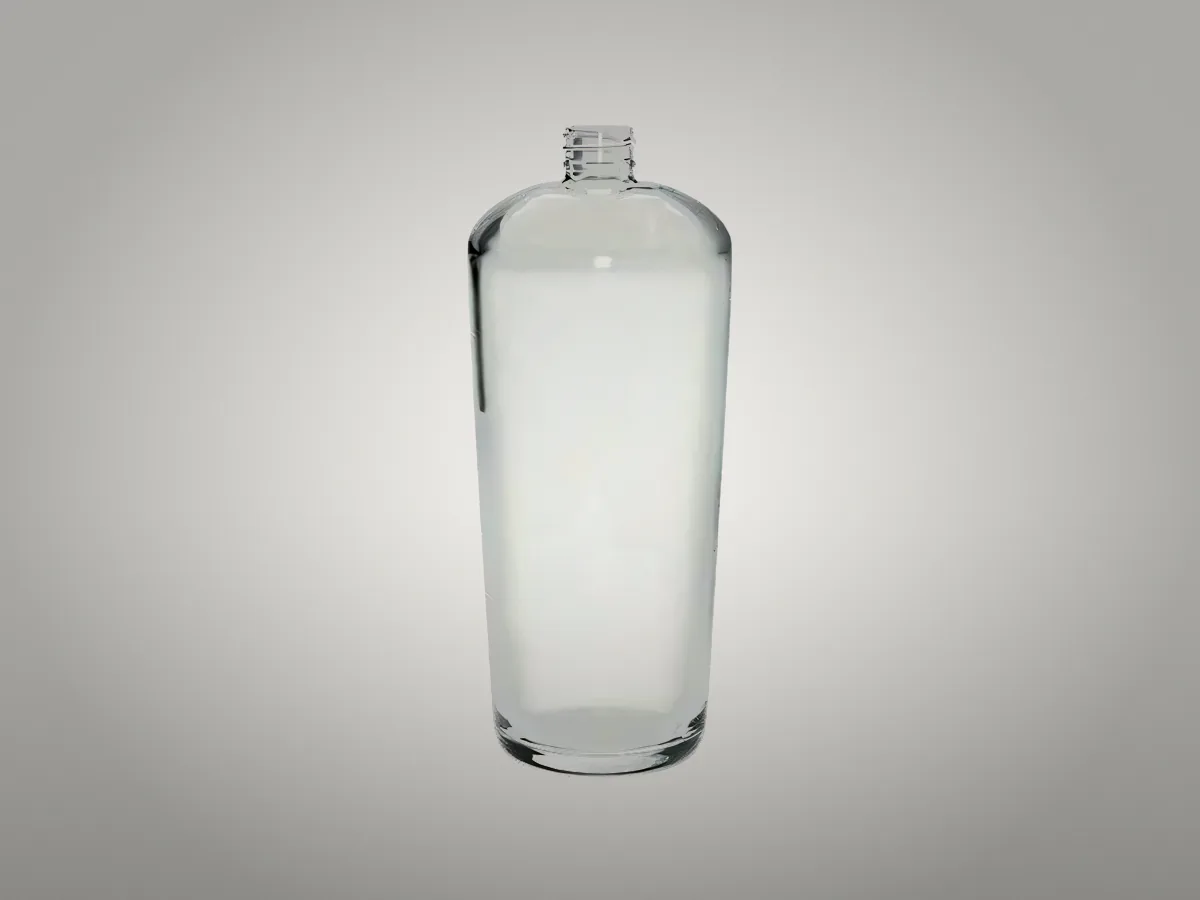
100 ml · Glass
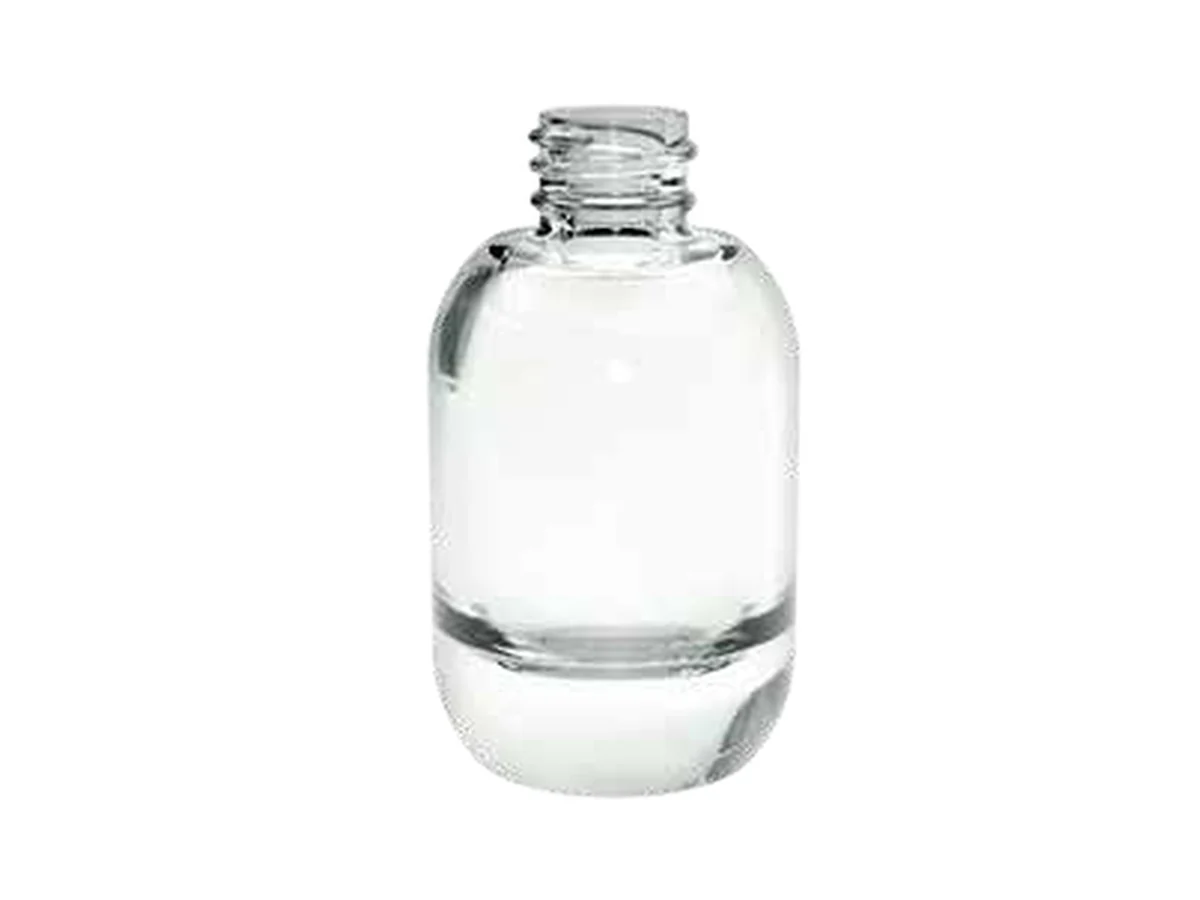
200 ml · Glass · 18/415
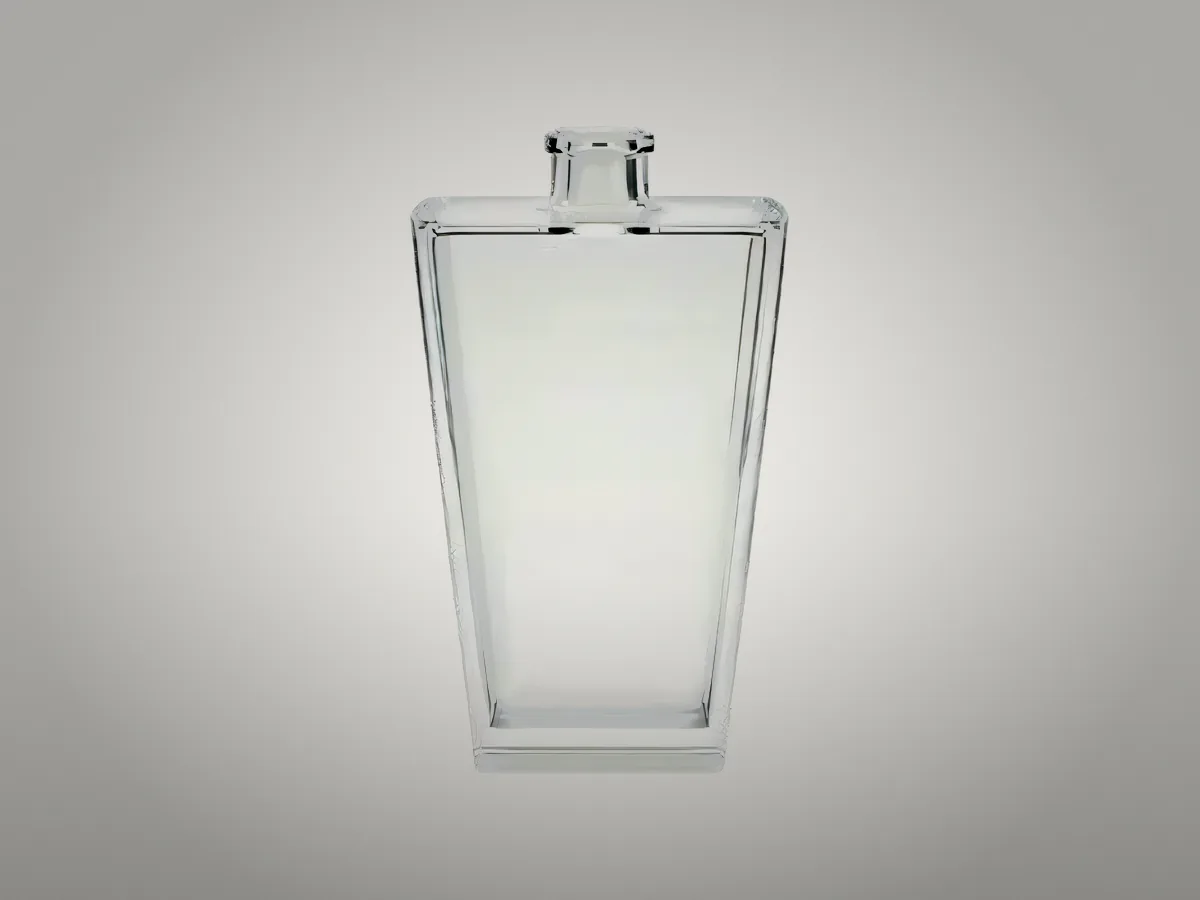
50 ml · Glass · FEA 15 mm
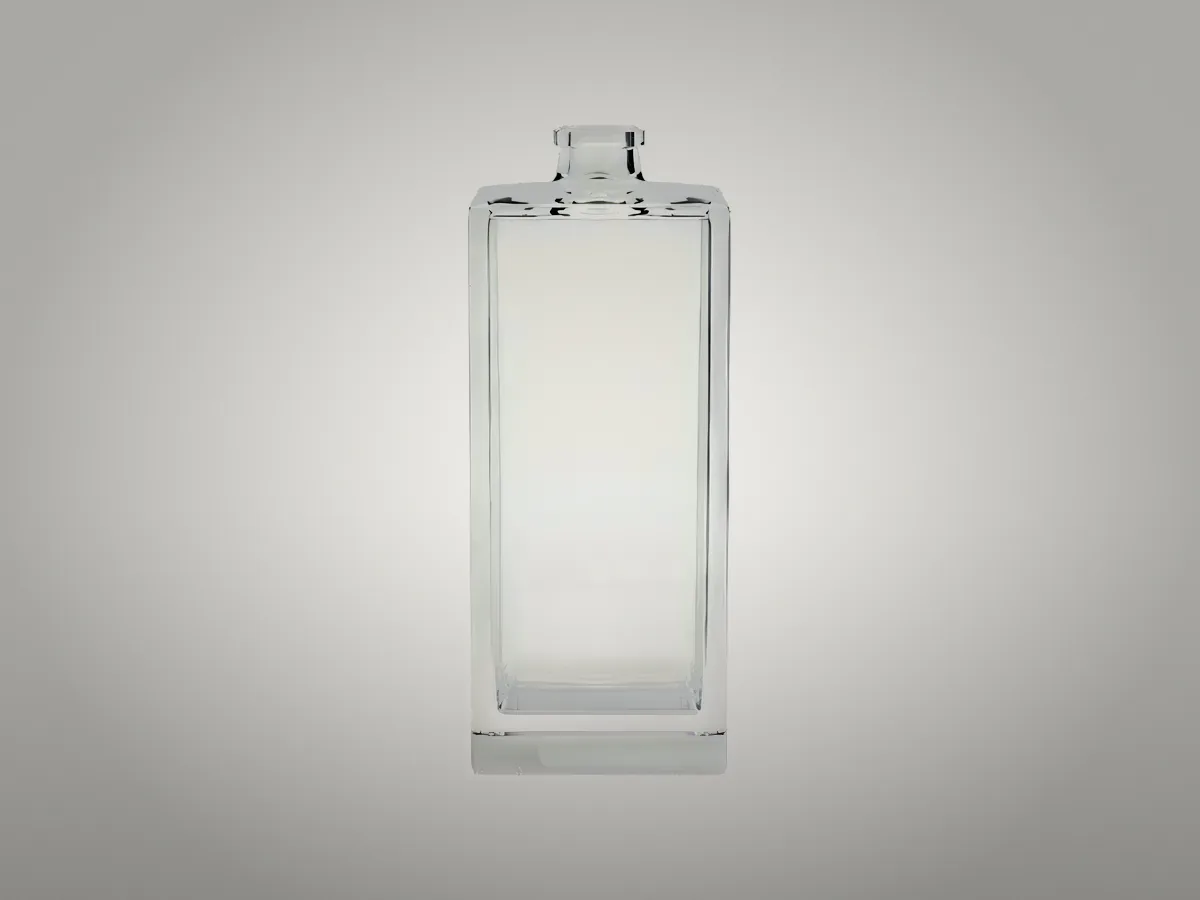
100 ml · Glass
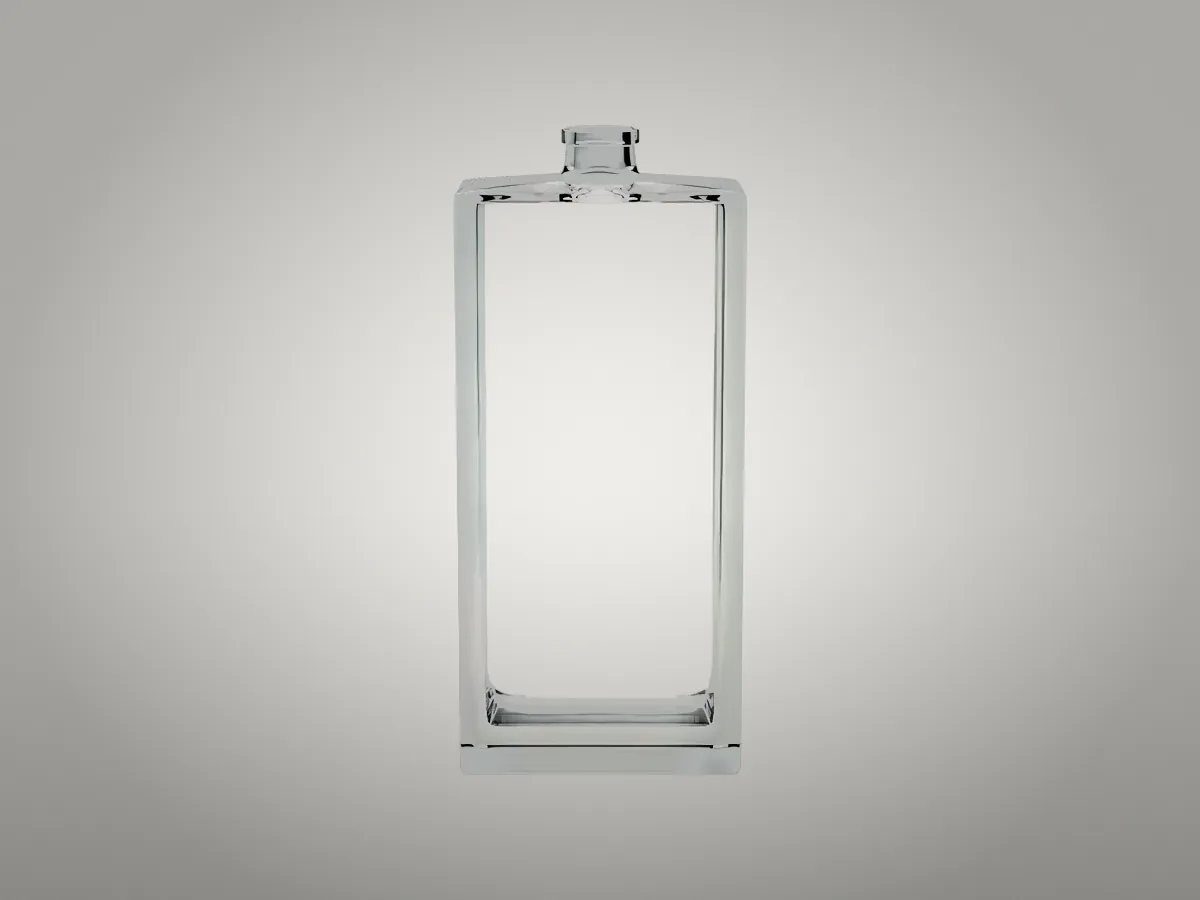
100 ml · Glass
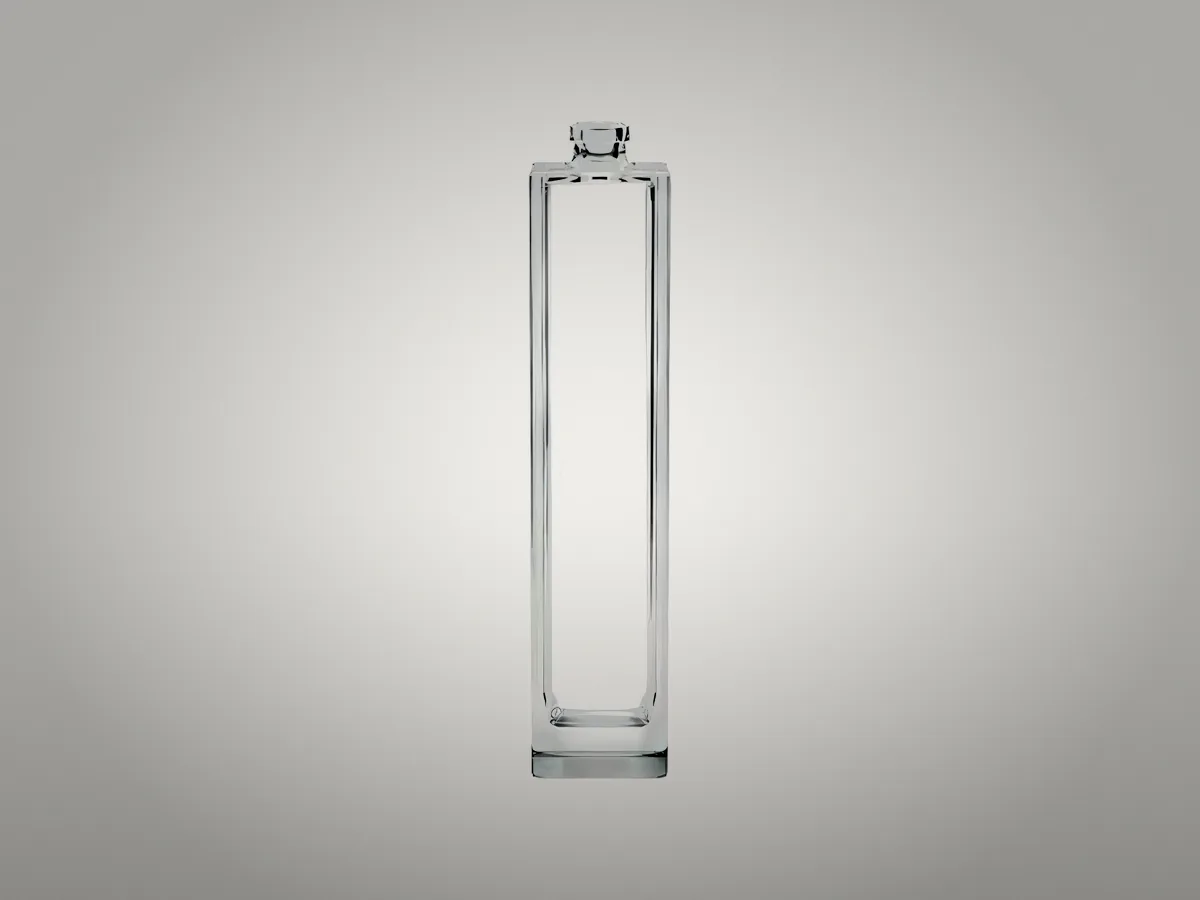
100 ml · Glass
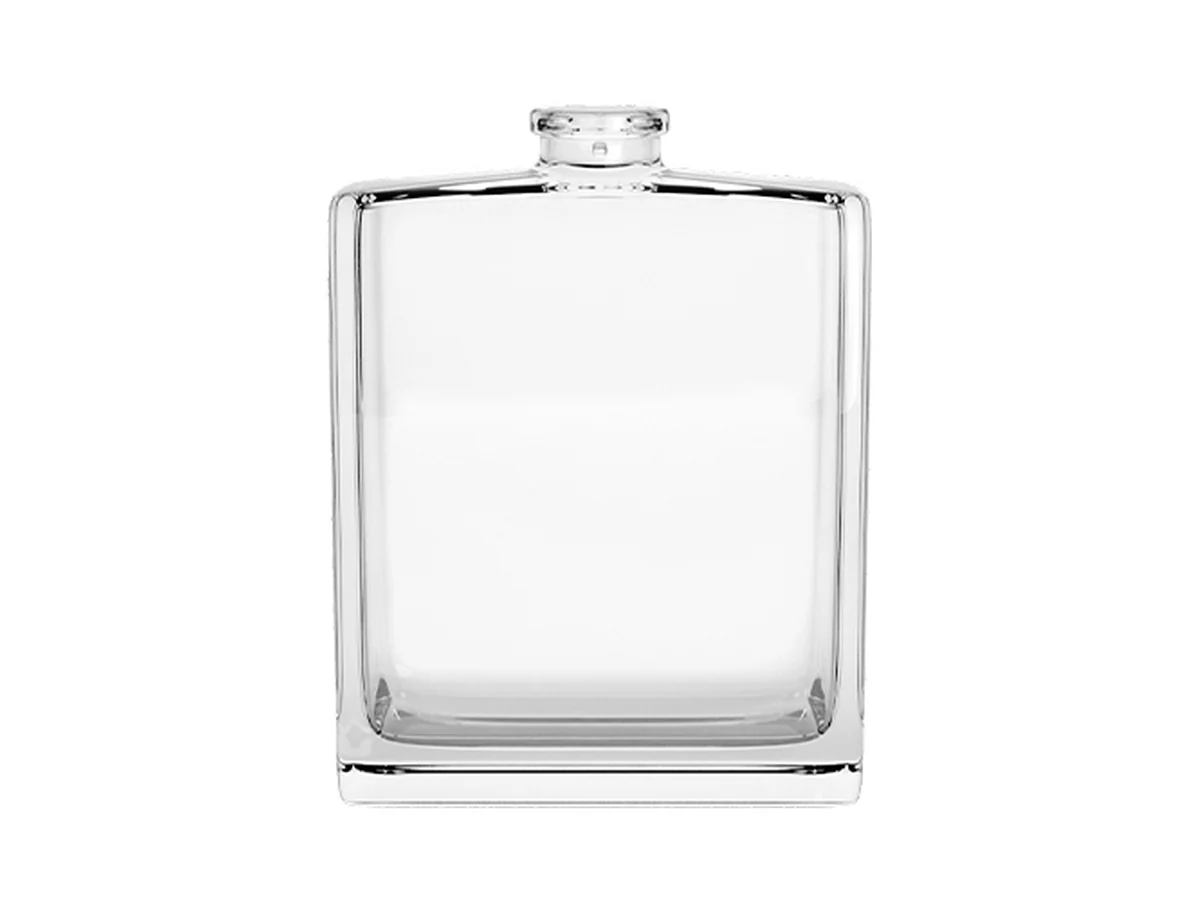
50 ml · Glass · FEA 15 mm
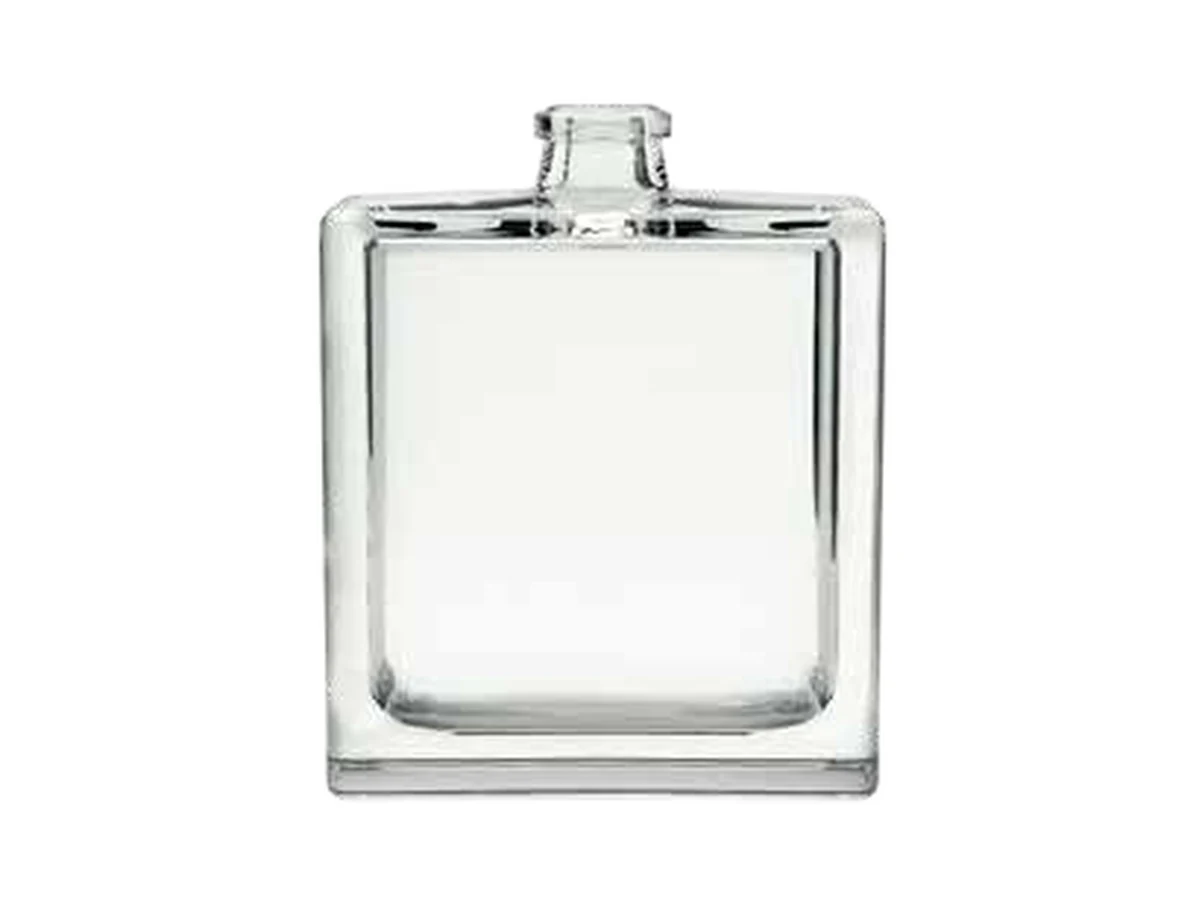
100 ml · Glass
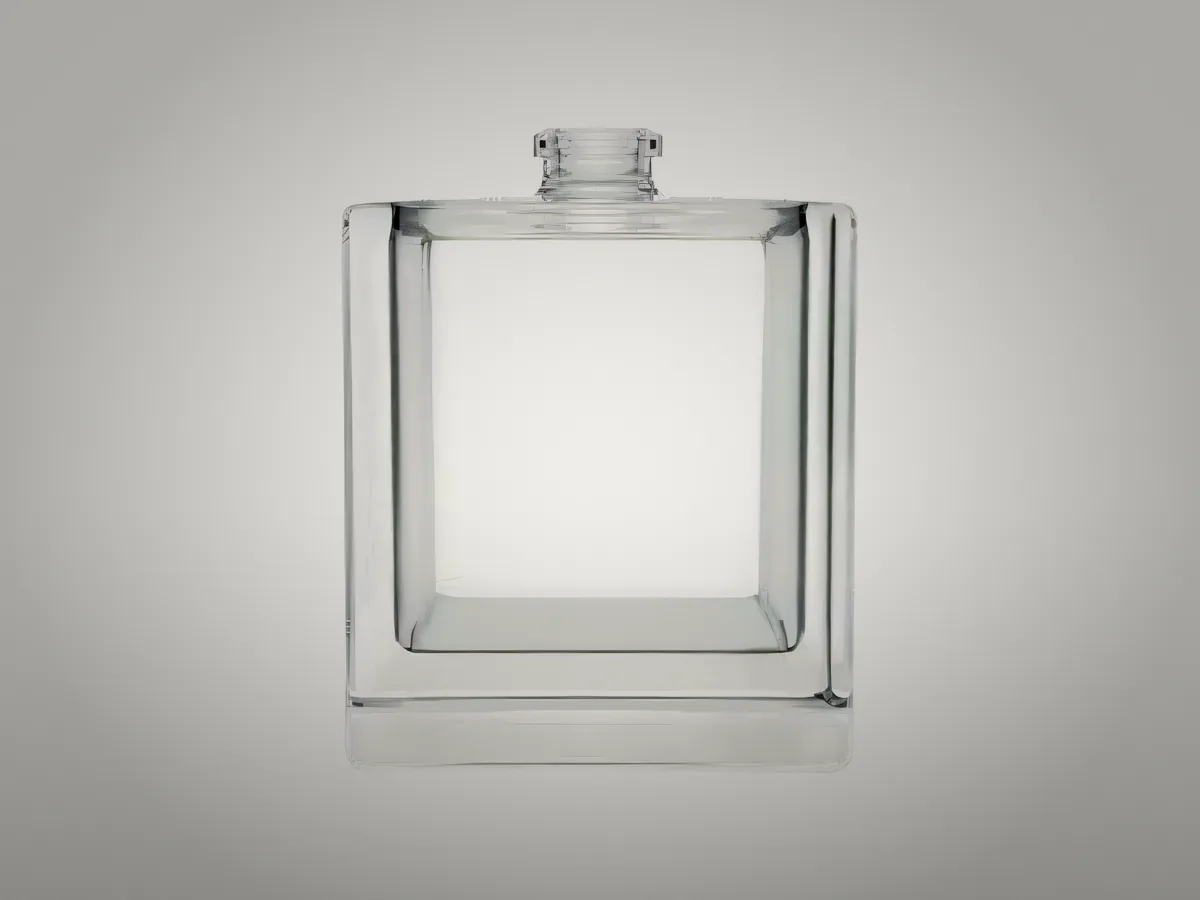
100 ml · Glass
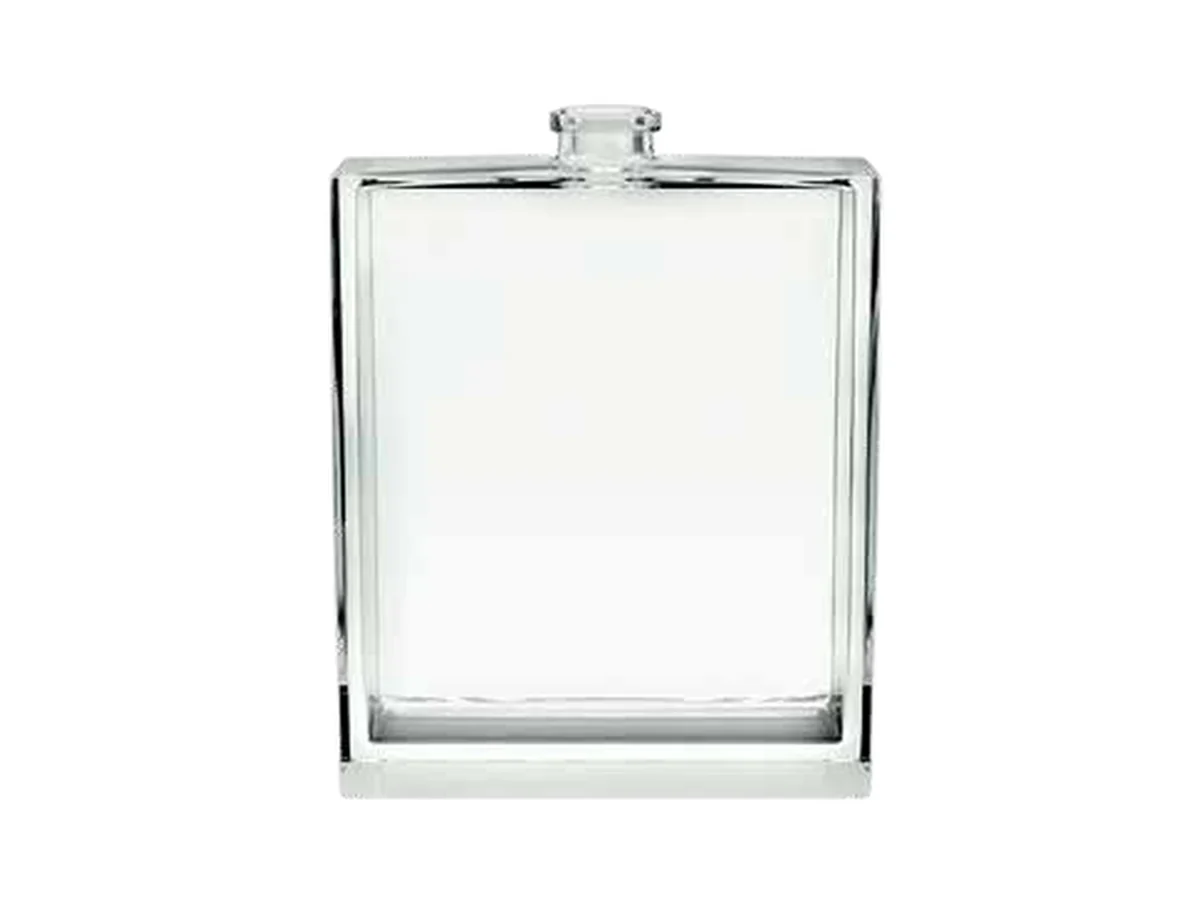
100 ml · Glass
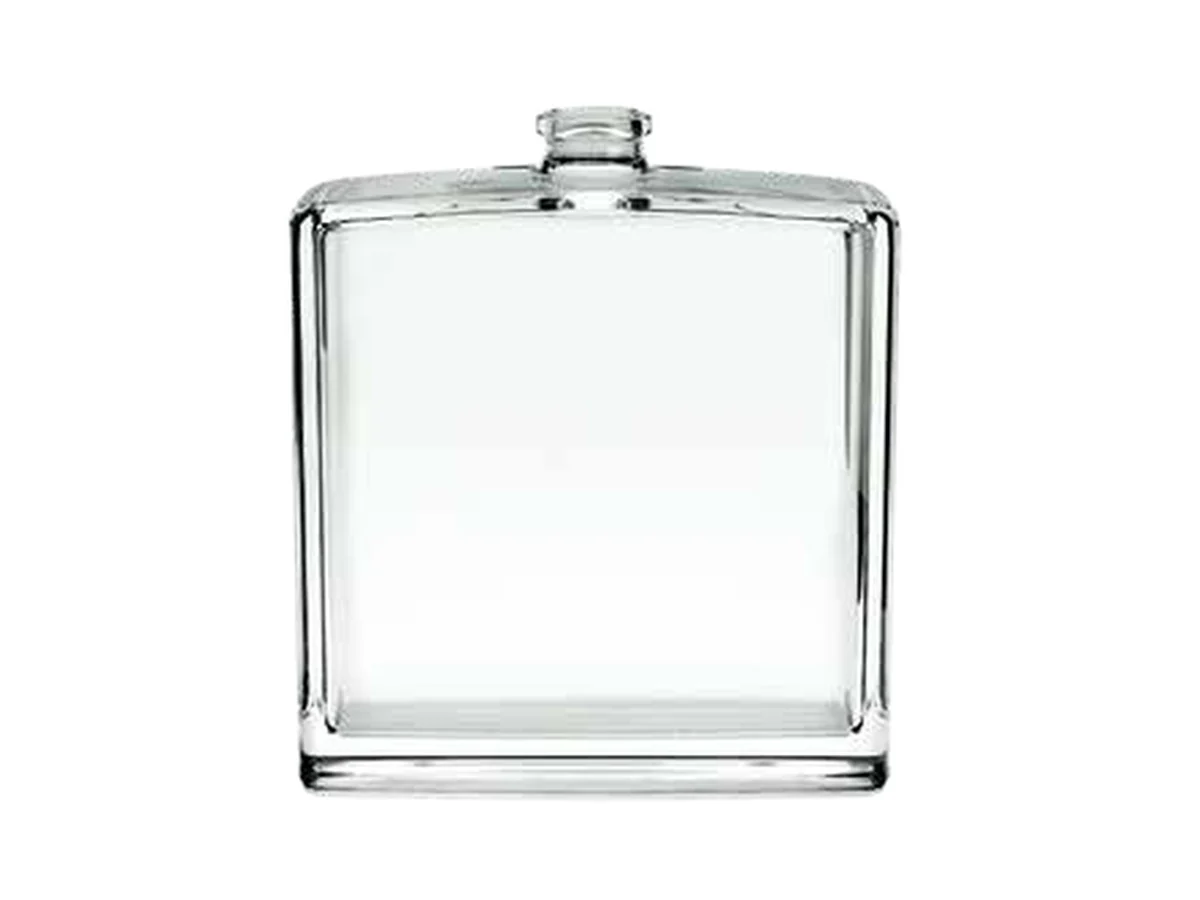
100 ml · Glass · FEA 15 mm
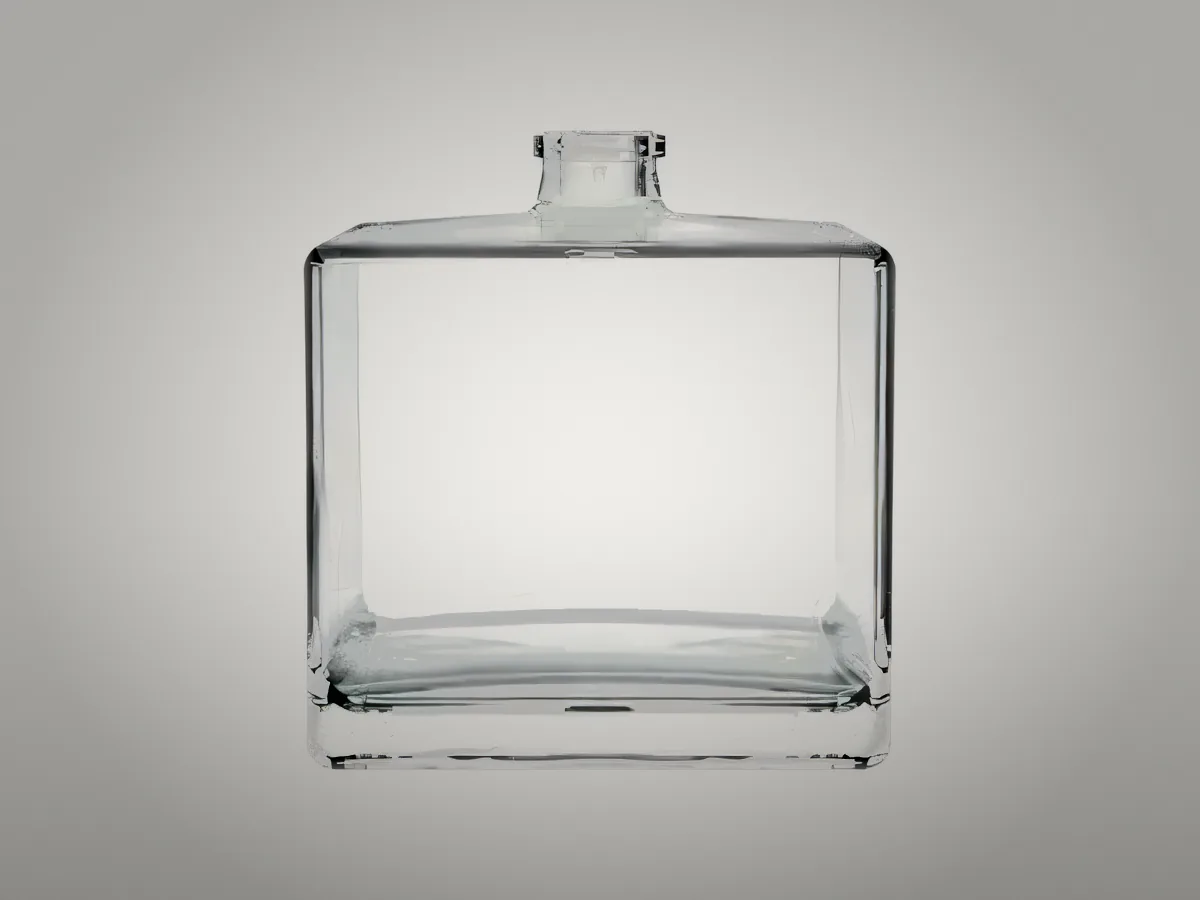
50 ml · Glass · FEA 15 mm
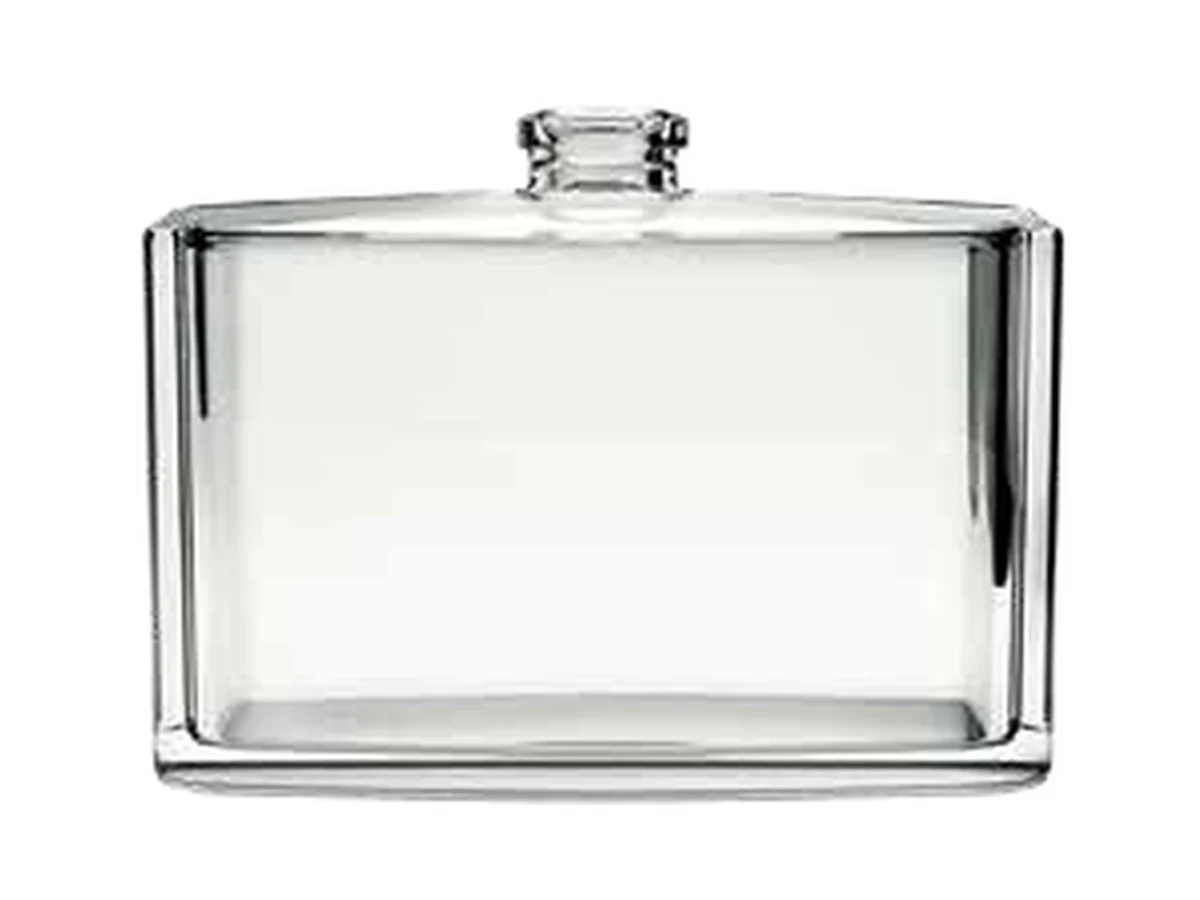
75 ml · Glass · FEA 15 mm
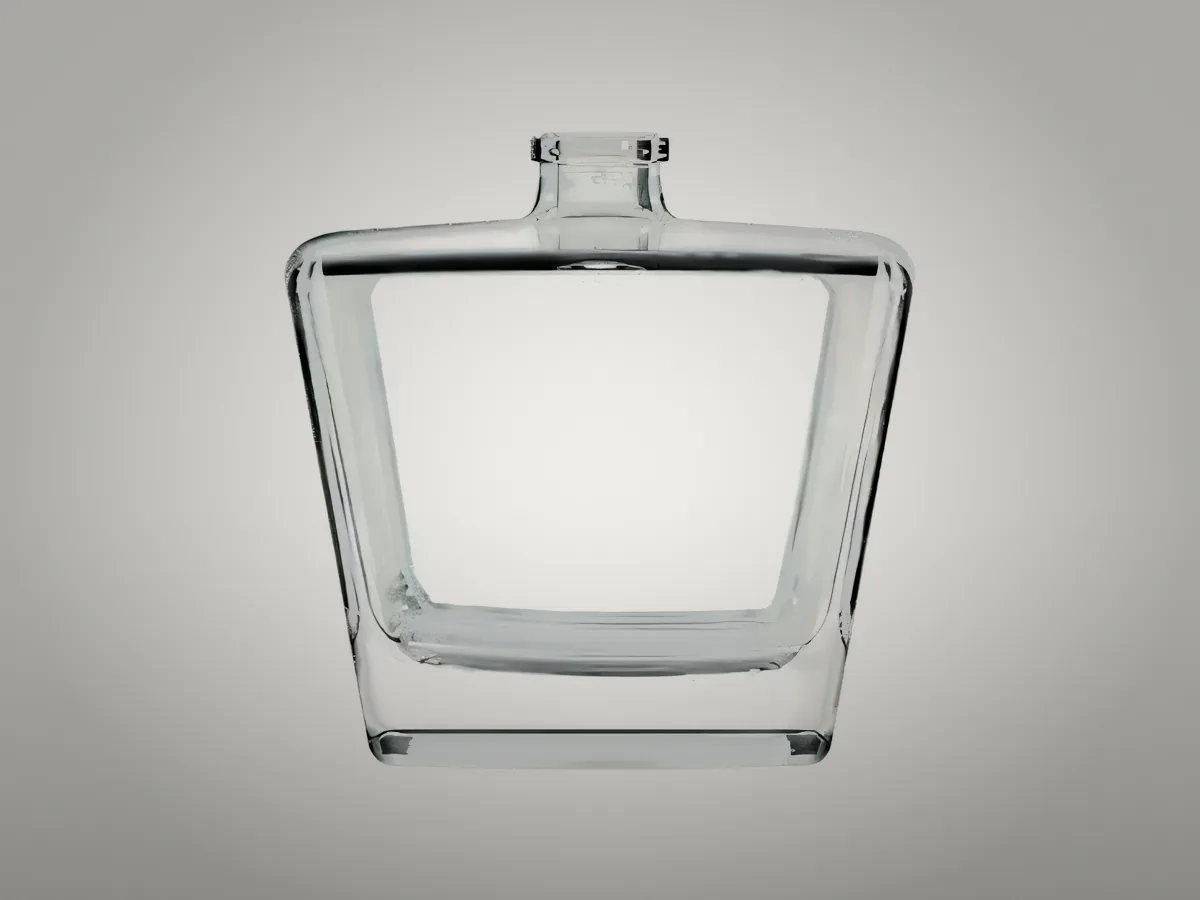
50 ml · Glass
Frequently asked questions
Which valve should I use for fragrance?
Fragrance usually uses a crimp valve, fixed to the neck by a pressed metal ferrule with no thread. It seals better against alcohol evaporation and the bottle cannot be opened. The 15 mm neck in the FEA 15 standard is common in perfumery. Screw-on valves are kept for body splash and refillable products.
What is the difference between a fine mist spray and a standard spray?
A fine mist breaks the formula into very small droplets and spreads an even cloud that settles lightly on skin: it is the standard for toner, face mist and makeup setting spray. A standard spray has a more concentrated jet and a larger dose per stroke, used in body and hair sprays. A trigger delivers even more volume and suits large bottles.
Can I use a plastic bottle for fragrance?
For fragrance with a high perfume concentration, glass is the safe choice because it is inert and does not exchange scent with the formula. Some plastics tolerate alcohol but can absorb part of the notes or give off odour over time. Body splash and cologne, with lower concentration, usually accept PET once approved in a compatibility test.
Why does a spray seize or drip?
The three most common causes are a valve not compatible with alcohol, which swells the seal; a formula thicker than the valve can handle; and particles in the formula, such as pigment or extract, clogging the orifice. A dip tube that is too short also makes the spray fail before the end. All are solved by choosing the valve alongside the formula and testing before the batch.
Other archive categories
Spray bottles
Build your project and get a technical review
Add the packaging that fits your product to your project and tell us what you want to manufacture. The technical team reviews packaging and formula together and replies with feasibility, lead time and next steps.